



Exploring nature and watching wildlife can be amazing. But, we must do it with care and respect. We need to protect the environment and its creatures.
This guide will teach you how to watch wildlife the right way. You’ll learn tips and strategies for safe and respectful nature trips. We’ll cover how human actions affect nature and how to watch wildlife without causing harm.
If you love hiking, birdwatching, or just enjoy nature, this guide is for you. It will help you explore the outdoors without hurting it. Let’s start a journey to see nature’s beauty while taking care of it.
Why Ethical Wildlife Observation Matters
Watching wildlife in their natural settings is a special experience. It lets us connect with nature and appreciate the ecosystems that support life. But, we must remember that our actions can affect the animals and their homes.
Understanding the Impact of Wildlife Disturbance
When we enter the homes of wild animals, we can disrupt their lives. This can happen by startling them with sudden moves or loud sounds. Or by getting in the way of their eating, resting, or finding a mate.
This wildlife disturbance can lead to many problems. Animals may become less fit, have fewer babies, or even leave their homes. It’s important to think about how our actions affect them.
Preserving Natural Habitats and Biodiversity
Our actions as observers can also harm the habitat preservation and biodiversity conservation. By stepping on sensitive areas, leaving trash, or upsetting the balance of nature, we hurt the environment. This can cause habitats to break apart, putting many species at risk.
By being ethical in how we watch wildlife, we can lessen our impact. This helps animals and their homes to flourish. It also keeps our planet’s biodiversity safe for the future.
Preparing for Your Wildlife Adventure
Starting a wildlife outing needs careful planning for a fun and responsible trip. The right gear and equipment are key to observing wildlife safely and ethically.
Essential Gear and Equipment
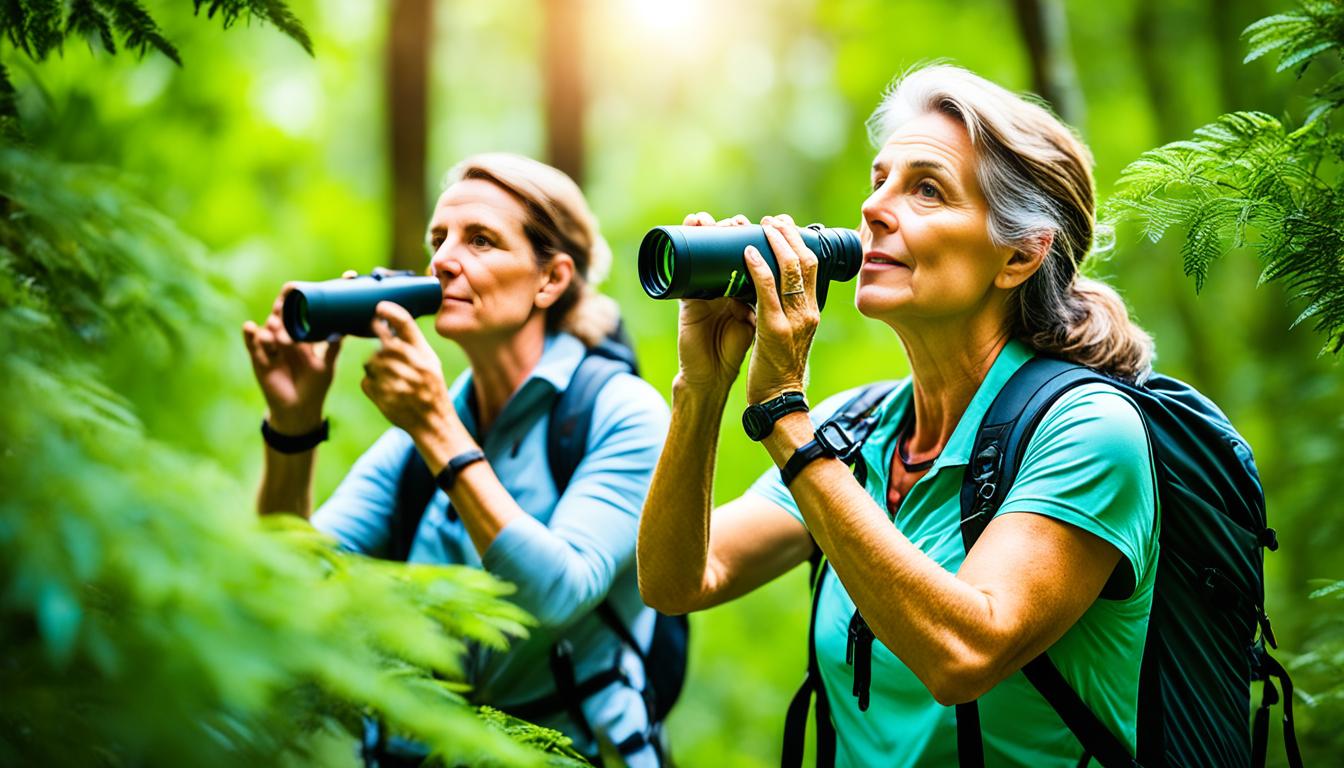
For wildlife watching, focus on quality and eco-friendliness. A good pair of binoculars or a camera can improve your experience. Choose items made from sustainable materials that don’t harm the environment.
Wearing the right clothes is also important. Go for breathable, durable, and colors that blend with nature. This helps you not scare the animals. Pick outdoor gear that’s good for the planet.
You might also need a strong backpack, a portable charger, a field guide, and a first-aid kit. These items help you stay safe and ready for anything during your trip.
Choosing the right gear lets you protect nature and enjoy your outdoor adventure more.
Responsible Viewing Practices
As wildlife lovers, we must put the animals’ well-being first. Following responsible viewing practices makes our experiences better and protects nature. By keeping a safe distance and understanding animal behavior, we lessen our impact. This way, we help make sure these moments can be enjoyed by future generations.
Maintaining a Safe Distance
Keeping a safe distance is key to ethical wildlife watching. Getting too close can stress the animals, change their behavior, and be dangerous for us. Learn the recommended viewing distances for different animals and always be cautious. Use binoculars, telescopes, or telephoto lenses to see them up close without disturbing them.
Respecting Animal Behavior and Habits
It’s important to watch animals with care and knowledge. Take time to learn about the animals you want to see, their behaviors, and how they communicate. Avoid actions that interrupt their daily activities like resting or eating. If an animal seems stressed or agitated, it means you’re too close. Back away right away.
By following wildlife viewing etiquette, being aware of animal behavior, and exploring nature responsibly, we make our wildlife encounters rewarding, educational, and sustainable. This benefits both us and the animals we love.
Nature & Wildlife: Finding Ethical Observation Sites
Exploring nature and wildlife is a life-changing experience. But, it’s important to do it right. Choosing the right place to watch wildlife is key. Look for places that care for the animals and protect their homes.
Eco-tourism spots and sustainable nature parks are great for watching wildlife ethically. These places offer amazing views of plants and animals. They also follow strict rules to protect the environment.
National parks, wildlife refuges, and private conservation areas are top choices for watching wildlife. These places are carefully looked after. They keep the animals and their homes safe. Visitors can see the beauty of nature while following rules that protect the ecosystem.
When looking for places to watch wildlife, check for signs of care for the environment. Look for visitor programs, strict viewing rules, and a focus on sustainable tourism. These signs show a place’s commitment to saving nature for the future.
Leave No Trace Principles
We love nature and have a duty to protect it. The “Leave No Trace” principles help us reduce our impact on the outdoors. By following these eco-friendly tips, we keep nature beautiful for the future.
Minimizing Your Environmental Footprint
The Leave No Trace idea is simple: reduce our impact on nature. We should throw away trash properly, respect animals, and leave places as we found them. It’s important to keep a safe distance from wildlife and not disturb them.
This way, we can enjoy nature without harming it. By doing this, we help protect nature for the next generations.
Planning is key to Leave No Trace. Research your destination, pack out trash, and think about your group size and activities. These steps help us reduce our impact and make our nature visits sustainable.
The Leave No Trace principles make us better nature guardians. By being eco-friendly, we leave a positive mark and encourage others to do the same. Together, we can keep the beauty of nature alive for all to enjoy.
Ethical Photography and Videography
We love capturing the beauty of nature through photography and videography. But, we must do it responsibly and with respect. The well-being of animals and their homes is most important.
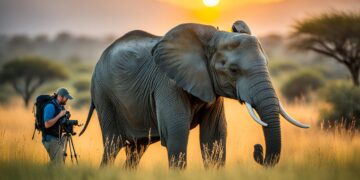
For wildlife photography, keeping a safe distance is key. Responsible nature filming needs patience, skill, and knowing how animals act. Using eco-friendly media creation helps us not harm the ecosystems we’re documenting.

At the heart of wildlife photography ethics is not to get close or touch the animals. We use the right lenses or hide to watch from afar. This keeps the animals safe and lets us see their true nature.
It’s also important to think about how we affect the environment. Eco-friendly media creation means we don’t step on plants or disturb nature’s flow. Following these rules helps us make beautiful content without harming nature.
The goal of wildlife photography ethics and nature filming is rewarding. It takes patience, hard work, and respect for nature. By following these principles, we make images and videos that encourage others to care for our planet’s beauty.
Supporting Conservation Efforts
We all need to help protect wildlife and their homes. By joining local groups, we can help save nature for the future. It’s not just about saving animals; it’s also about keeping nature’s balance. This way, future generations can enjoy nature too.
Getting Involved with Local Organizations
Supporting conservation is easy by volunteering or giving to local groups. These groups need our help to protect nature. They work hard to save animals and protect the environment.
Volunteering lets you help with things like cleaning up habitats and learning about animals. You’ll also learn about the challenges of saving nature. This hands-on work helps the local ecosystem and teaches you a lot.
You can also help by giving money. Many groups need donations to keep going. Even a little bit of money can help protect nature a lot.
Look for groups that work with the local community. These groups make sure conservation fits the needs of the people living there. Supporting them helps build a strong connection to nature among locals, leading to better conservation.
Every little bit we do helps protect nature. By joining local groups, we’re part of a big effort. Together, we can keep the natural world safe for the future.
Learning from Indigenous Communities
We must look to indigenous communities for valuable lessons in ethical wildlife observation. These communities live in harmony with nature, having done so for generations. They know a lot about how to care for the environment, which can help us too.
Embracing Traditional Knowledge and Practices
Indigenous communities worldwide have a deep bond with the land and its animals. They’ve developed a unique understanding of nature through sustainable practices over centuries. This knowledge can make our wildlife watching better and more respectful.
They teach us about sustainable nature stewardship. This means treating the land and animals with respect and making sure our actions don’t harm the environment. By adopting these practices, we can help protect nature while watching wildlife.
Indigenous communities also know a lot about animal behavior and the connections within nature. Learning from them helps us appreciate the complex lives of animals. This lets us watch wildlife with more care and respect.
Sharing Your Experiences Responsibly
When you go on wildlife adventures, sharing your stories can inspire others to care for nature. It’s key to do this in a way that supports eco-tourism and uses social media wisely. Your stories can really make a difference in getting people to love and protect nature.
Be careful with your social media posts. Don’t reveal where endangered animals live or sensitive habitats. This could bring more people and harm the animals. Instead, talk about the beauty you saw and how to visit places with care.

Your photos, videos, or stories can help promote eco-tourism. Show off the beauty of nature but encourage people to visit in a way that’s good for the planet. Tell your followers to look for tours that are kind to the environment and local people.
Using social media in a green way can spread the word about caring for nature. Share things that teach people why we need to save animals and the planet. Encourage your friends to help protect nature and support groups that do the same.
Your stories and how you share them can change the future of our planet. Use your voice to support nature, eco-tourism, and green social media. Together, we can make a big, positive change.
Ethical Wildlife Observation: A Lifelong Journey
Starting to watch wildlife ethically is not just for one day. It’s a journey that lasts a lifetime. You’ll keep learning and exploring nature. Your love for nature and your wish to protect it will grow.
Living a sustainable outdoor life and caring for the environment are crucial. By making ethical wildlife watching a big part of your life, you help protect our planet and its many creatures. You become a guardian of nature, working for the good of both humans and animals.
Appreciating nature is a journey that never ends. It means always being open to learning more and changing how you act as you learn. You might get better at identifying animals, visit remote nature spots, or work with groups that protect nature. Every step makes you more connected to nature and your role in taking care of it.