




Biodiversity is like a complex web that supports life on Earth. It’s essential for a healthy planet. This article will show how biodiversity helps our planet and why we must protect it.
We’ll look at the benefits of biodiversity and the dangers it faces. We’ll also talk about how we can help save our planet’s diverse life and ecosystems.
What is Biodiversity?
Biodiversity means the variety of living things, their genetic differences, and the ecosystems they live in. It’s key to a healthy planet and helps keep natural systems in balance.
Defining Biodiversity
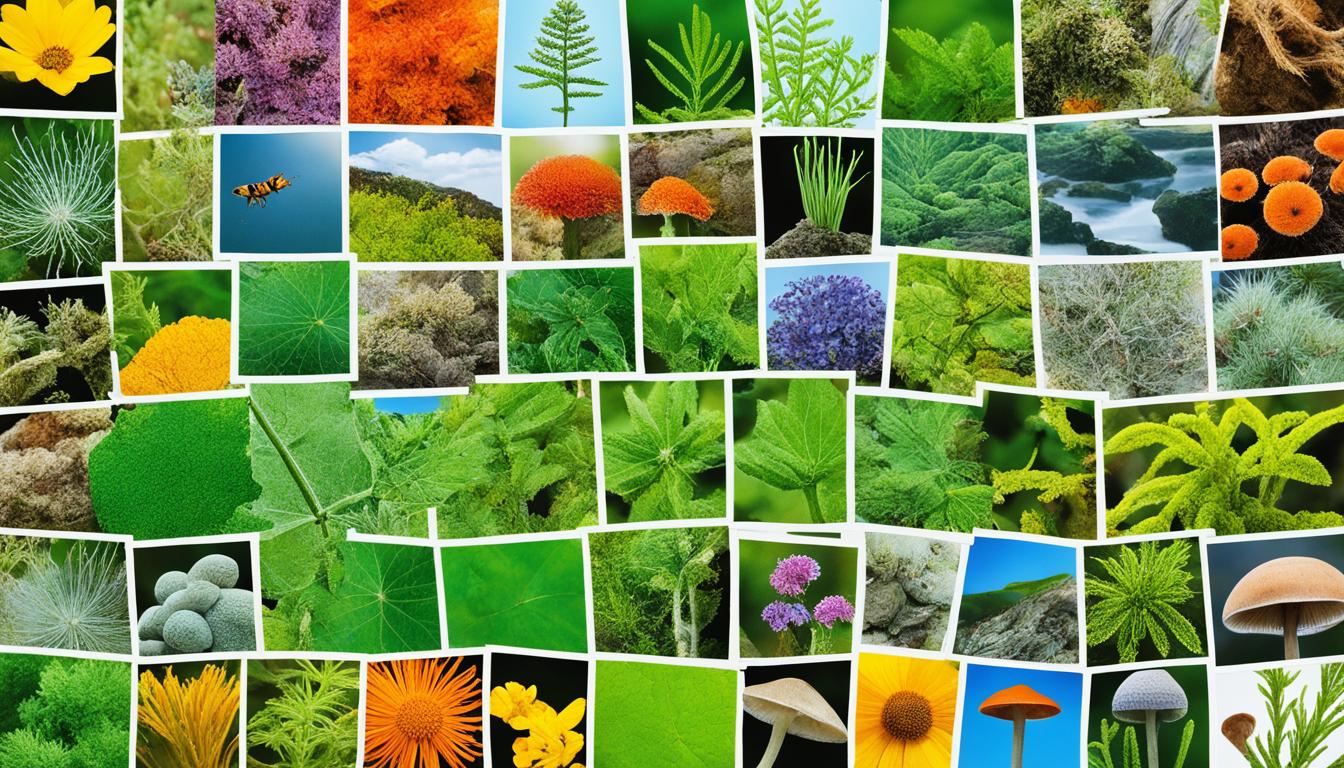
Biodiversity has three main parts: genetic, species, and ecosystem diversity. Genetic diversity is about the unique traits within a species that help them adapt. Species diversity looks at the variety of life, from tiny bacteria to huge trees. Ecosystem diversity is about the different environments, like forests and oceans, and how they all work together.
Levels of Biodiversity
These levels of biodiversity work together and depend on each other. Genetic diversity helps a species survive and adapt. Species diversity keeps ecosystems healthy. Ecosystem diversity supports the life of plants and animals. Keeping all levels of biodiversity helps maintain life on Earth.
Ecological Benefits of Biodiversity
Biodiversity is the amazing variety of life on our planet. It’s key to keeping ecosystems healthy and balanced. Every species, from tiny microorganisms to big mammals, adds to the complex web of life. Knowing how biodiversity helps us understand its value.
Biodiversity is crucial for nutrient cycling. Plants, animals, and microbes work together to break down organic matter. They release nutrients back into the soil, helping new growth. This cycle is vital for soil health and the food we eat.
Biodiversity is also key for clean water. Wetlands, forests, and other natural areas filter out pollutants from water. This keeps our drinking water safe and supports aquatic life.
Species diversity makes ecosystems more resilient and adaptable. Diverse ecosystems can better handle challenges like diseases, pests, or climate change. This helps keep the ecological services we need for our health and the planet’s well-being.
Learning about biodiversity’s benefits shows us why we must protect nature. It helps control our climate and gives us vital resources. The web of life in our ecosystems is crucial for all species, including us.
Nature & Wildlife: Celebrating Earth’s Diversity
Our planet is full of amazing diversity, with countless species and complex ecosystems. From lush rainforests full of life to remote places where unique creatures live, Earth’s species diversity shows the beauty and strength of nature.
Incredible Species Diversity
Planet Earth is home to a wide variety of plants, animals, and tiny organisms. Species like the African elephant, snow leopard, and coral reefs amaze us with their diversity. Every species, from tiny insects to big mammals, is vital for our ecosystems’ balance.
Unique Ecosystems Worldwide
Our planet has diverse ecosystems, each special and vital. Places like the Amazon rainforest, the Great Barrier Reef, and the Himalayas show the world’s ecosystem diversity. These ecosystems support many species and are key to life on Earth, helping with the climate, air, and water quality.
Protecting our planet’s species and ecosystems is vital for life’s balance. By valuing and protecting nature, we encourage wildlife conservation. This way, these amazing places and their creatures can continue to flourish for the future.
Threats to Biodiversity
Our planet’s biodiversity is facing many threats. One big issue is the destruction and breaking up of natural habitats. This is mainly because of human actions like building cities, farming, and mining for resources.
When we change these areas for our needs, many plants and animals lose their homes. This leads to a big drop in the number of species on Earth.
Habitat Loss and Fragmentation
Deforestation is a big cause of habitat loss. It happens when forests are cut down for farms, ranches, or buildings. This not only takes away the homes of many species but also breaks up the balance of nature.
This makes it hard for animals to live together and adapt to changes. They can’t move around freely or find new places to live.
Climate Change Impacts
Global warming and climate change are also big threats to biodiversity. As the Earth gets warmer, many species can’t handle the changes in their homes. They face challenges like changing weather, more extreme weather events, and shifts in their food and shelter.
To save the variety of life on Earth, we need to act. We must understand why habitats are being destroyed and how climate change affects species. Then, we can make plans to protect nature and the animals that live there.

Importance of Biodiversity for Humans
Biodiversity is key to our planet’s health and our well-being. It gives us essential food, medicine, and healthcare resources. This complex web of life is essential to our existence.
Food Security and Agriculture
Diverse plants and animals are crucial for food security and sustainable farming. They help produce the wide variety of foods we eat. This diversity boosts crop yields and makes them more resilient.
It also protects our food from pests, diseases, and climate change. This ensures we have enough food to eat.
Medicine and Healthcare
Biodiversity is full of natural resources that can help us. Many medicines come from plants, microbes, and animals in nature. These include both modern drugs and traditional remedies.
Keeping biodiversity safe is key to having these important medicines for now and the future.
As the world changes fast, biodiversity’s role in our health is more important than ever. Protecting nature helps our planet and ensures our future prosperity and survival.
Conservation Efforts and Strategies
Many conservation efforts are underway to protect our planet’s natural wonders. These efforts aim to save biodiversity, promote sustainable practices, and create strong environmental policies. They aim to make a big difference over time.
One key strategy is setting up protected areas like national parks and wildlife refuges. These places are safe havens for many plants and animals. Governments, non-profits, and local communities work together to grow this network. This helps protect ecosystems and their creatures for the future.
Another important step is using sustainable practices. This means using farming, forestry, and resource management that doesn’t harm nature. More businesses, people, and leaders are embracing sustainable ways. This helps humans and nature live together better.
Creating strong environmental policies is also vital. Governments, international groups, and advocates are making laws and rules to protect nature. These laws help protect endangered species, fix damaged ecosystems, and encourage sustainable actions in different areas.
By doing these things together, we’re working to save the Earth’s biodiversity. This approach gives us hope for a future where humans and nature can live together well. It helps keep the natural wonders that make our planet special.

Biodiversity Hotspots and Protected Areas
The Earth is filled with a wide variety of life, from species to ecosystems, all vital for our planet’s health. Biodiversity hotspots are key areas with many unique and endangered species. They are crucial for keeping our natural world in balance.
Global Biodiversity Hotspots
Biodiversity hotspots are places with over 1,500 unique plant species and have lost 70% of their original land. Famous hotspots include the Amazon rainforest and the Caribbean islands. These areas are home to endangered animals like the Sumatran tiger and the mountain gorilla.
To protect these hotspots, we set up national parks and wildlife refuges. These areas limit human impact and save ecosystems. Conservation efforts, like fighting poaching and restoring habitats, help protect endangered species.
By saving biodiversity hotspots, we help these precious places last for future generations. Protecting these areas is key for species survival and keeping our planet healthy.
Economic Value of Biodiversity
Biodiversity is more than just a collection of life on Earth. It also brings big economic benefits to people. It supports important ecosystem services and helps us use natural resources in a sustainable way. This makes biodiversity key to economic growth and improving human life.
The core of biodiversity’s economic value is natural capital. This includes the natural assets and resources that support our economy. Healthy ecosystems give us many “ecosystem services,” like clean air, fresh water, pollination, and flood control. These services are crucial for our survival and economic activities.
By keeping biodiversity safe and managing it well, we can keep getting these vital services. This saves trillions of dollars that we would have lost otherwise.
Biodiversity also offers chances for using resources sustainably and growing the economy. For example, the pharmaceutical industry finds life-saving drugs in nature. Ecotourism is another area where biodiversity brings in money. By using biodiversity wisely, we can support long-term growth that helps the environment and people.