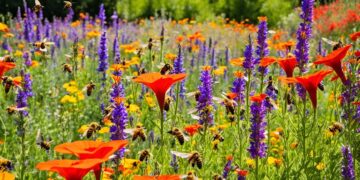


Pollinators are key to keeping our ecosystem balanced. Bees and butterflies are just a few of the heroes that help plants grow and thrive. They connect the natural world, making sure plants can reproduce and grow.
Bees, butterflies, moths, birds, and bats move pollen from one plant to another. This process, called pollination, is crucial for plants to make seeds and fruits. Without pollinators, our ecosystems would collapse, and we wouldn’t have the food we love.
Exploring the role of pollinators shows how connected everything is. Their survival affects the health of our planet. By protecting their homes, we help our planet and all its creatures thrive.
What Are Pollinators and Why Are They Important?
Pollinators are key to the plant world. They help plants reproduce by moving pollen from one plant to another. Bees, butterflies, hummingbirds, and bats are just a few examples of these vital creatures.
Introducing the Unsung Heroes of the Plant World
Over 75% of the world’s flowering plants rely on pollinators for growth and diversity. These creatures are crucial for our planet’s health. Without them, many of the fruits and vegetables we eat would disappear.
This would have a huge impact on the ecosystem. It would threaten the balance of nature and harm many other species.
Understanding the Intricate Dance of Pollination
Pollination is a complex process. Pollinators move pollen between flowers as they look for food. This helps plants reproduce and set seeds.
This relationship between pollinators and plants is essential. It keeps plant life diverse and supports the health of our planet.
The Incredible Diversity of Pollinators
The world of pollinators is truly amazing. It’s filled with many species that are key to our ecosystems’ health. Bees, butterflies, and moths work together to help plants grow and thrive.
Bees: The Quintessential Pollinators
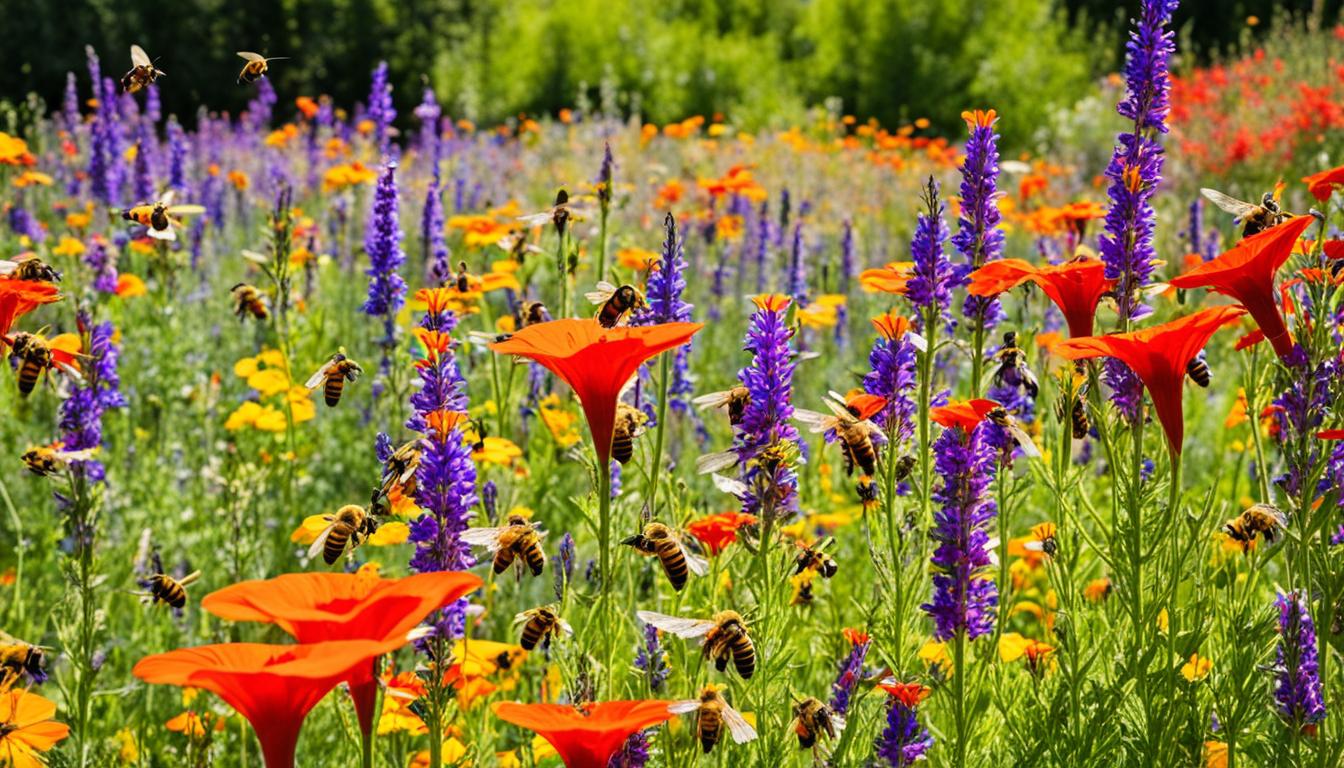
Bees are the main pollinators, with over 20,000 types around the globe. They help many plants reproduce by moving pollen from one flower to another. Bees like honeybees, bumblebees, and solitary bees are crucial for our ecosystems’ balance.
Bees perform a beautiful dance as they move from flower to flower. This dance spreads pollen, helping plants reproduce. This shows how bees and plants depend on each other for survival.
Butterflies and Moths: Winged Wonders
Butterflies and moths are key players in our ecosystem. They move from flower to flower, collecting nectar and spreading pollen. This helps many plants reproduce.
Butterflies are known for their beauty and grace. They are crucial for the reproduction of many plants. From the famous monarch to the swallowtail, they keep our ecosystems healthy and diverse.

Moths, often hidden from view, are also vital at night. They have special antennae and mouthparts for finding and pollinating night-blooming flowers. Moths like the luna and hummingbird moths add to the beauty of plant reproduction.
Butterflies and moths are essential to our world’s beauty and health. By valuing their role as pollinators, we can protect them. This helps keep our ecosystems strong for the future.
Birds: Feathered Friends of Flowers
Birds, especially hummingbirds, are key pollinators in our world. They feed on the nectar of flowers, helping plants reproduce. This makes them essential for our ecosystem’s health.
Hummingbirds: Tiny Aerial Acrobats
Hummingbirds are amazing pollinators. They fly fast and have long beaks perfect for reaching deep into flowers. As they move from flower to flower, they spread pollen, helping plants grow and diversify.
Many flowers have bright colors and shapes to attract hummingbirds. These birds have fast wing beats and a high metabolism to enjoy the nectar. This relationship shows how our ecosystem works together.
Hummingbirds help plants reproduce as they move from flower to flower. By protecting these relationships, we keep our ecosystem healthy. Understanding how hummingbirds and plants work together is key to our planet’s well-being.
Bats: Nocturnal Pollinators
Bats are often overlooked but play a key role as pollinators, especially in tropical and desert areas. These night flyers are vital to our ecosystem. They help many plants reproduce and increase their diversity.
Bats are amazing creatures, known for their flying skills. They are the only mammals that can truly fly. Their wings, made from a thin membrane between their fingers, let them move with great agility. This helps them find food in the dark.
In tropical and dry areas, bats are the main pollinators for many plants, including food crops and trees. They fly at night, matching the time when night flowers bloom. This ensures these plants can reproduce, which is crucial for their survival.
Learning about pollinators shows us how important bats are for our ecosystems. We must protect their homes and food to keep our planet healthy. This helps all life on Earth, including humans.
Nature & Wildlife: The Delicate Balance
Our natural ecosystems are complex webs of life. Every part is crucial for keeping everything in balance. At the center are pollinators, like bees and butterflies, which help plants reproduce and grow. They are key to our ecosystem’s health and diversity.
Pollinator Declines: A Threat to Our Ecosystem
Recently, we’ve seen a worrying drop in pollinator numbers worldwide. This is a big threat to our ecosystem. Habitat loss, pesticides, and climate change are to blame for this decline.
This decline threatens the survival of many plants and disrupts the ecosystem balance. Without pollinators, plants can’t reproduce, affecting the food web and biodiversity. This has big impacts on resources, ecosystem resilience, and communities that rely on nature.

Dealing with pollinator declines is a global issue. Protecting them is vital for our ecosystems, food, and planet’s future. By understanding their importance and supporting their conservation, we can fix nature’s balance and ensure a better future for everyone.
Promoting Pollinator-Friendly Gardens
We can all help pollinators by making our gardens friendly for them. By planting native, nectar-rich flowers and offering water, we can turn our yards into safe havens. This helps bees, butterflies, hummingbirds, and other pollinators thrive.
Creating a Pollinator Paradise in Your Backyard
To welcome pollinators, add native, pollinator-friendly plants to your garden. These plants give nectar, pollen, shelter, and nesting sites. Choose flowers that bloom at different times to keep your garden busy with pollinators all season.
Don’t forget to add water sources for pollinators. A bird bath or shallow dish with water and pebbles is perfect for bees, butterflies, and hummingbirds. This makes your garden a welcoming spot for these important creatures.
Every effort to make your garden pollinator-friendly counts. By caring for your garden, you support local pollinators and connect more with nature. It’s a win-win for you and the environment.
The Economic Importance of Pollinators
Pollinators are key to our ecosystem, but they do much more than that. They add billions of dollars to the global economy every year. These heroes of the plant world are crucial for our economy.
They help produce many of the world’s most valuable crops like fruits, vegetables, and nuts. In fact, pollinators are behind about 75% of the food we eat. This makes them vital to agriculture, helping us have plenty of food.
The value of pollinators is huge. They add around $577 billion to global food production each year. This shows how important they are for our ecosystem and economy.
Pollinators also help make goods like cotton, coffee, and some medicines. They keep natural ecosystems healthy, which gives us many services we need for our health and wealth.
With challenges like food security and environmental issues, pollinators are more important than ever. Protecting them helps keep our food supply safe and our economy strong.
Pollinators and Food Security
Pollinators are key to keeping our food safe and plentiful. Many of the foods we love, like fruits, veggies, and nuts, need these animals to grow. Bees, butterflies, and hummingbirds are vital for our food’s future.
The Vital Link Between Pollinators and Our Food Supply
Without pollinators, our food would be in big trouble. About 75% of plants that grow food need animals to help them make seeds. These animals make sure our food grows well and tastes good, keeping us healthy and happy.
But, pollinators like honey bees and monarch butterflies are disappearing. This could make food harder to get and more expensive. It could also hurt our health and the economy if we can’t get the food we need.
We need to protect these important animals to keep our food safe. By making farms and gardens friendly to pollinators, we can help them thrive. Keeping these animals safe is key to making sure we have enough food for the future.
Conservation Efforts and Pollinator Protection
As we learn more about the crucial role of pollinators, many are stepping up to protect them. Efforts include making spaces friendly for pollinators and cutting down on harmful pesticides. These actions help keep pollinators healthy and strong around the world.
Protecting pollinators helps keep our ecosystems and food systems healthy. Bees, butterflies, and hummingbirds are key to our planet’s health. They keep our biodiversity balanced, which is vital for our planet.
Groups like environmental organizations, government agencies, and everyday people are fighting for pollinators. They’re doing things like planting pollinator gardens, pushing for pesticide-free areas, and funding research on pollinators. These actions aim to make sure pollinators can keep doing their important work in our world.