






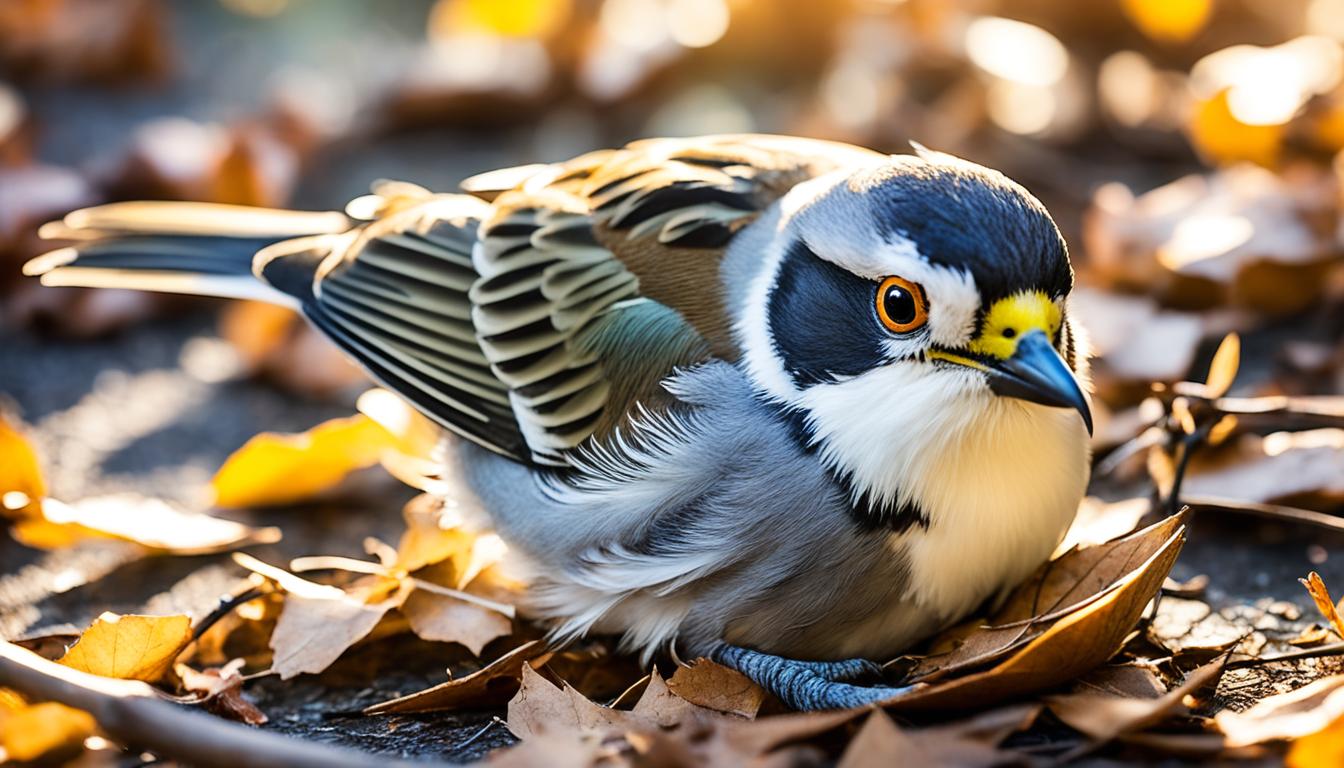
Meeting injured wildlife can be sad and overwhelming. But, with the right knowledge and support, you can help these creatures. This guide will show you how to safely help injured animals and connect them with the care they need.
We’ll cover the key steps to help wildlife. This includes understanding why animals get hurt, making a safe space, and giving basic first aid. By learning how to handle wildlife and working with experts, you can help protect our natural world and the animals in it.
If you love the outdoors, nature, or just want to help, this guide is for you. It will teach you how to support wildlife rehabilitation and conservation. Together, we can make a better future for the amazing animals that live with us.
Understanding Wildlife Emergencies
As guardians of the natural world, it’s crucial to know about wildlife emergencies and how to spot when animals are in distress. Animals often face threats like vehicle collisions and natural disasters, leading to serious injuries or death.
Common Causes of Injuries
Vehicle collisions are a top cause of wildlife injuries. Animals trying to cross roads can get hit by cars, trucks, or other vehicles. This can cause broken bones, internal injuries, and even death.
Natural disasters like wildfires, floods, and severe storms also harm wildlife. They can leave animals displaced and in need of help.
Signs of Distress in Wild Animals
It’s important to know when a wild animal needs help. Animals acting strangely, like coming close to humans or seeming very tired, might need help. Visible injuries, such as cuts, bruises, or broken limbs, also show that an animal is hurt and needs care.
Knowing what causes wildlife emergencies and how to spot distress helps us help injured or vulnerable animals. This not only helps the animal but also supports the health of local wildlife.
Initial Steps for Assisting Injured Wildlife
When you find an injured wild animal, it’s a delicate situation. The right steps can greatly improve the animal’s survival chances. First, avoid touching the injured creature directly. Even hurt animals can be dangerous and threaten your safety.
Next, try to safely trap the animal without hurting it more. Use a box, towel, or blanket to cover it, making sure it can still breathe. After securing the animal, call local wildlife rehab or animal control. They have the skills and tools to help the animal.
Don’t try to do complex first aid or move the animal yourself. This could make things worse. Just give the animal’s location and condition to the experts. They will tell you what to do next. By acting this way, you help the animal and stay safe.
Creating a Safe Environment
When you care for an injured wild animal, it’s key to make a safe, stress-free space. Setting up a temporary wildlife enclosure helps the animal recover before experts arrive. This step is vital for the animal’s well-being and survival chances.
Preparing a Temporary Enclosure
Start by making a safe space with a temporary wildlife enclosure. Use a strong cardboard box, a big plastic container, or a small cage. Make sure it’s big enough for the animal to move but not too big to cause stress.
Put soft, absorbent bedding like shredded paper or clean towels at the bottom. Don’t use harmful materials like wood shavings or hay. The enclosure should have good airflow and be quiet and dim, away from disturbances.
Give the animal a warm spot, like a low heating pad or a warm water bottle. But don’t overheat it, as that can harm the animal. Make sure it always has access to clean, fresh water.
Creating a safe wildlife enclosure helps lower the animal’s stress. It gives it the support it needs until help arrives.

Handling Wildlife Safely
Assisting injured wildlife means putting safety first. You need special techniques and gear to protect both you and the animal. Knowing how to do this right makes wildlife rescue safe and successful.
Protective Gear and Precautions
Wearing the right protective gear is key when handling wildlife. This includes gloves to protect your hands and clothing that covers your body. This helps prevent injuries and reduces the chance of getting sick from the animal.
When you approach injured wildlife, stay calm and don’t make sudden moves. These can scare the animal and make it act aggressively. Speak softly and don’t look directly at it. Use tools like nets or humane traps to catch the animal safely.
How you handle the animal is also important for safety. Don’t try to hold a wild animal unless you’re trained to do so. Instead, guide it into a safe container. Then, take it to a place where experts can help.
Putting safety first and handling animals correctly helps rescue and care for them. It also keeps you and the animal safe. Always think of the animal’s well-being when helping it.
Providing Basic First Aid
When you find an injured wild animal, it’s key to be careful and know what to do. You might be able to give some basic care, but always think about not causing more harm. Always look for professional help as soon as you can.
Treating Minor Wounds and Injuries
If the injury looks like a small cut or scrape, you might clean it with clean water and put on a basic dressing. But, don’t use any antibiotics or ointments because they can hurt the animal. Your main goal is to keep the wound clean until a wildlife expert can treat it.
For big injuries like deep cuts, broken bones, or bleeding inside, don’t try to fix them yourself. Just make sure the animal is safe and get help from a pro as fast as you can. Trying to help can make things worse and hurt the animal’s recovery chances.
Remember, the key to helping injured wildlife is to not make things worse. Your job is to keep the animal safe until a trained wildlife expert or vet can help. This ensures the animal gets the right care it needs.
Nature & Wildlife: Transporting Injured Animals
When you find an injured wild animal, you might want to help right away. But, it’s key to take it to a rehab center safely. This helps the animal get the care it needs to heal.
When moving injured wildlife, think about keeping it calm and safe. Use a box or carrier that lets air in and keeps the animal comfy. For small animals, a cardboard box or plastic carrier is good. Bigger animals might need a special crate.

Be very careful with the animal, as even the tiniest can get scared or hurt. Wear thick gloves and don’t touch the animal directly. Make sure it’s in the container safely, so it can’t get out or hurt itself more.
After getting the animal ready, call a wildlife rehab center or a vet. They know how to help the animal. Tell them where the animal is, what’s wrong with it, and any other important details.
Moving injured wildlife is tricky but important for their survival. By doing it right and getting help, you’re helping animals in your area get a second chance.
Seeking Professional Help
When you find a wild animal hurt, it’s key to get help from experts. Wildlife rehabilitation centers and animal experts know how to care for these creatures. They can help the animal heal and go back to the wild.
Locating Wildlife Rehabilitators
First, find wildlife rehabilitation centers and animal control in your area. Call your state wildlife agency or look online for a list of licensed rehabbers. They’ll tell you about their services, what animals they help, and how to contact them if it’s an emergency.
These centers focus on different animals like birds, mammals, or reptiles. Finding the right experts means your injured animal gets the right care. If needed, talk to several places to find the best one for your situation.
You might also talk to local animal control or vets for advice. They can tell you what to do next and suggest good wildlife rehab centers. Working with these experts can help the injured animal recover.
Preventing Future Injuries
Creating a wildlife-friendly environment is key to lowering the risk of injuries to animals. By using simple yet effective methods, we can live with nature and keep our furry, feathered, and scaly friends safe.
Wildlife-Friendly Landscaping
Adopting wildlife-friendly landscaping is a great way to prevent injuries. This means planting native plants that offer food and shelter. It also means avoiding harmful chemicals and adding bird baths and brush piles. This makes a safe home for animals, reducing their need to risk injury.
Also, removing dangers like loose netting and open wells helps protect wildlife. Teaching your community about these steps spreads awareness and encourages others to help too.
Reducing Human-Wildlife Conflicts
Addressing the causes of human-wildlife conflicts helps prevent injuries. This includes securing trash and keeping pet food inside. Installing fences can also keep animals away from risky areas. By making our places less inviting to wildlife, we lower the chance of harmful encounters.
Supporting local wildlife centers and teaching people how to report wildlife incidents helps animals get the care they need. Together, we can make a safer place for humans and wildlife.
Legal Considerations and Regulations
When you help injured wildlife, knowing the laws and rules is key. These rules protect both the animals and the people helping them.
First, learn how to report injured animals. In many places, there are groups or agencies for wildlife rescue and care. By using the right channels, you help the animal get the right care and follow the law.
Also, make sure you follow the law when dealing with wildlife. This might mean getting permits or licenses, or following certain rules for caring for animals. Not following these rules can lead to legal trouble, so stay informed and compliant.