




Bats are fascinating creatures that play a key role in our ecosystems. They are the only flying mammals and are vital for pollination, seed dispersal, and controlling pests. Yet, many bat species are facing threats like habitat loss, disease, and human misunderstanding. By making your backyard bat-friendly, you can help protect these amazing animals and support the health of our planet.
This guide will show you why bats are important, how to attract them, and how to protect their habitats. It’s perfect for nature lovers, gardeners, or anyone who cares about the environment. You’ll learn how to turn your outdoor space into a safe haven for these incredible flying mammals.
Understanding the Importance of Bats
Bats are often seen as mysterious creatures, but they are key to our ecosystems. They are not just interesting to watch; they also help the environment and humans in many ways. Bats help with pollination, seed dispersal, and controlling pests, making them truly special.
Ecological Role of Bats
Bats are vital to our ecosystems. They pollinate many plants, including important crops. By eating nectar and moving pollen, they keep plants healthy and diverse.
Also, bats eat lots of insects, including pests that harm crops. This helps farmers and protects the environment by reducing the need for dangerous pesticides.
Bat Conservation Efforts
Despite their importance, saving bats is hard due to habitat loss, conflicts with humans, and diseases like white-nose syndrome. We need to protect their homes and fight for their survival to keep getting these important services.
By learning more about bats and supporting their protection, we can save these amazing animals. This will keep our ecosystems healthy for the future.
Providing Suitable Roosting Sites
Creating a bat-friendly environment means giving them safe places to rest and raise their young. Bats need shelter from the elements and predators. By understanding their needs and providing the right roosting sites, you help your local bats.
Installing bat houses is a great way to help bats. These houses give bats a safe spot to roost away from predators and harsh weather. When picking a spot for a bat house, think about sunlight, water, and food sources nearby. This increases the chance of bats moving in.
Old trees and buildings can also be great for bats. They like natural spots like crevices and cavities in these places. Keeping these spots safe helps bats have what they need to survive.
To help bats, offer a mix of roosting options in your area. Use bat houses and protect natural spots together. This way, you meet the needs of different bat species, helping their health and your local ecosystem.
Planting a Bat-Friendly Garden
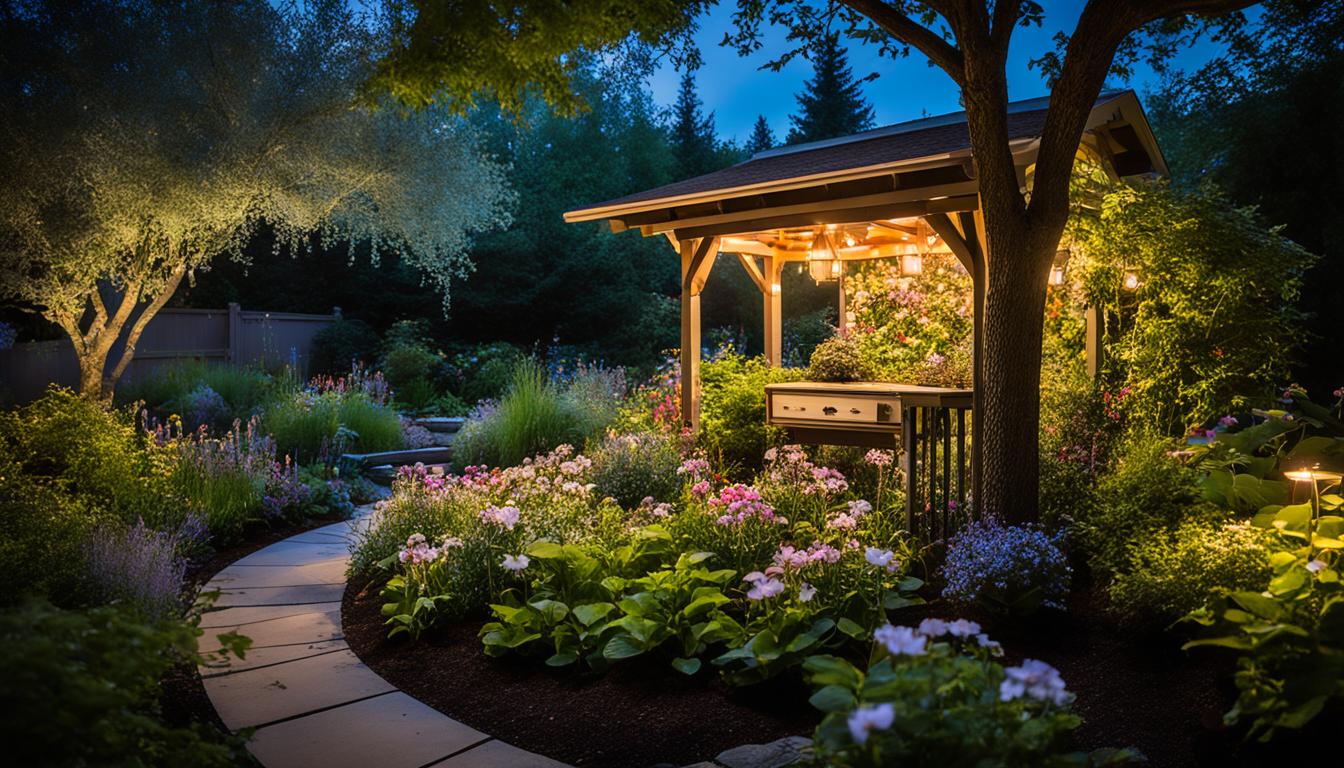
Creating a welcoming backyard for bats is a great way to help these amazing creatures. By planting native plants and adding water sources, you can draw bats to your garden. This makes your garden a place where bats can live and thrive.
Choosing Native Plants
For a bat-friendly garden, pick native plants that attract insects bats eat. These plants fit well with your local climate and soil, so they’re easy to care for. Look for plants with nectar, berries, or fruits that bats like to eat. Good choices include agave, yucca, trumpet vine, and evening primrose.
Creating Water Sources
Bats also need water, so add a birdbath, small pond, or a shallow dish with clean water. Make sure there are stones or logs for bats to land on while drinking. Having steady water is key to attracting bats and keeping them healthy in your garden.

By choosing native plants and providing water, you can make your garden a great place for bats. This helps support these important creatures and is good for the environment.
Reducing Pesticide Use
We all have a duty to make our yards safe for all living things, including bats. These creatures are vital to our ecosystem. But, using too many pesticides can harm them by polluting their food and homes.
Using organic gardening and pest control that’s good for bats is a great way to help. By choosing natural options instead of harsh chemicals, we keep our gardens safe for bats. This also helps other good insects and animals by keeping our environment pesticide-free.
Small changes like composting and planting local plants can keep pests away without hurting bats. Using pheromone traps or bringing in natural predators like birds can also help. These methods keep pests under control without harming our ecosystem.
By going for organic gardening and cutting down on pesticides, we make our yards better for bats. This helps bats and makes our local environments healthier and more diverse. It means a better future for all the animals that live in our yards.
Educating Your Community
It’s key to teach your local community about the value of bats for their conservation. Hosting bat-watching events and sharing educational materials can help. Encouraging neighbors to make their spaces bat-friendly is also important.
Hosting Bat-Watching Activities
Setting up bat-watching events is a great way to teach people about bats. Plan these for evenings when bats are most active. Offer informative materials, play bat-themed games, and share tips on making gardens and bat houses bat-friendly.
These events do more than just teach about bats. They bring people together, making them care about local bat populations. By making these events open to all, you can inspire more people to help protect bats.
Also, work with local schools, libraries, or nature centers for educational talks and workshops. This helps reach more people, especially the young, and teaches them about bats’ importance.
By getting your community involved, you’re helping protect these amazing animals and their homes. This teamwork is key to keeping bats safe for the future, helping both the local and global environment.
Nature & Wildlife: Attracting Bats to Your Backyard
Bats are fascinating creatures that play a vital role in the ecosystem. If you’re looking to create a more sustainable and diverse backyard, attracting bats can be a rewarding endeavor. By providing the right habitat and resources, you can welcome these amazing flying mammals to your outdoor space.
One of the most effective ways to attract bats is by installing a bat house. Bat houses offer a safe and sheltered roosting spot, allowing bats to take refuge and raise their young. Strategically placing these structures in your backyard can create a welcoming environment for bats seeking a place to call home.
In addition to bat houses, you can also enhance your backyard bat habitat by incorporating bat-friendly landscaping elements. Planting native, insect-rich vegetation can provide an abundant food source for bats, as they primarily feed on insects. By creating a diverse and lush garden, you’ll be supporting the local bat population and contributing to the overall ecological balance.

Remember, bats are often misunderstood creatures, but they are essential for maintaining a healthy ecosystem. By taking steps to attract bats to your backyard, you’ll not only enjoy their presence but also play a valuable role in supporting their conservation efforts.
Building Bat Houses
Installing DIY bat houses is key to making a bat-friendly area. Properly designed and placed bat houses give bats the perfect home. We’ll look at how to build and place these important structures.
Selecting the Right Location
The spot for your bat house is as crucial as its design. Bats like warm, sunny spots that are high up and near water. Choose a spot that gets at least 6 hours of direct sunlight a day. Stay away from shaded areas or bright lights that might scare bats away.
Put the bat house on the side of a building, tree, or pole facing east or southeast for the best sunlight. Make sure it’s at least 20 feet away from trees or other structures for safety and easy access.
By picking the right spot, you make a welcoming and safe place for bats.
Addressing Common Bat Myths
Bats are fascinating creatures, but they are often misunderstood. Many myths and misconceptions hinder efforts to protect these amazing animals. We’ll address some common bat myths and provide facts to clear up negative perceptions.
One myth is that bats are aggressive and dangerous to humans. In reality, bats are mostly docile and avoid humans. They only attack when threatened or provoked. Bat attacks on humans are very rare. Most bats focus on finding food and shelter rather than interacting with people.
Another misconception is that all bats are blind. While some have poor eyesight, most can see well. They use echolocation to navigate and find prey. This skill helps them survive in various environments, even in the dark.
Many think bats carry diseases like rabies. It’s true to be cautious around bats, but most are healthy and don’t pose a risk to humans. Rabies in bats is rare, and the chance of getting it from a bat is very low.
By debunking these myths with facts, we can improve our understanding of bats. Education about bats is key to stopping their persecution and decline. With awareness, we can protect and support bats, keeping their ecological role safe for the future.
Protecting Existing Bat Habitats
Creating new bat-friendly places is key, but so is protecting the ones we have. Old-growth forests and caves are vital for bats. They are where bats live and are crucial for their survival.
Preserving Old Trees and Caves
Old-growth forests and caves are where bats live. They are home to many bats and are key to their survival. By keeping these places safe, we help bats have a place to live and raise their young.
Species like the endangered Indiana bat and the threatened northern long-eared bat rely on these forests. These trees offer the right shelter, temperature, and humidity for bats. Caves are also perfect for bats to hibernate and raise their young.
We can help protect these places by supporting conservation efforts. We should push for the protection of old-growth forests and caves. Supporting groups that work to save these areas can really help bats.
Keeping an eye on existing bat habitats helps these amazing animals thrive. It’s important for our ecosystems. Saving their homes helps bats and benefits us all.
Monitoring and Maintaining Bat-Friendly Areas
Keeping your bat-friendly areas in good shape is key to their success. It’s important to regularly check on the bats and their numbers. This helps keep the habitat thriving for them.
To keep an eye on the bats, you can use bat detectors, watch for them, or join citizen science projects. These methods let you see how many bats are around and what they’re doing. This info helps you make smart choices to improve your bat-friendly habitat.
It’s also vital to look after the different parts of your bat-friendly area. Make sure the bat houses are in good condition, keep a steady water supply, and let native plants grow. These plants give bats food and shelter. By taking care of your bat-friendly habitat, you help create a place that bats love to visit.
Checking on the bats and keeping your backyard ready for them is good for the bats and for you. It feels rewarding and connects you more with nature. By helping these amazing animals, you’re making a big difference in your area.
Supporting Bat Conservation Organizations
Bat conservation groups are key to protecting these amazing animals and their homes. By helping these groups, you aid in important research, advocacy, and conservation work. The Bat Conservation International is a top nonprofit focused on bat research and education. They work hard to protect bats all over the world.
Defenders of Wildlife also fights for endangered bats and their homes. You can help by giving money or volunteering at local events. The Organization for Bat Conservation leads in bat conservation. They offer chances for citizen science and hands-on volunteering to monitor bat populations.
Working with these groups helps keep their vital work going. It also lets you be a guardian of nature. You can donate money, volunteer your time, or just spread the word about bats. Your help can greatly impact bat conservation.