


Our world is full of amazing natural beauty, but many species are at risk of disappearing. From the majestic Bengal tiger to the elusive black rhino, these endangered animals are precious to our planet. Learning about them helps us appreciate nature’s balance and why we must protect it for the future.
This article will take you on a journey with 10 endangered species. We’ll look at their unique traits, the challenges they face, and how we’re working to save them. By understanding their struggles, we can all help protect these incredible animals.
Let’s explore the wonders of nature together. Let’s see how we can protect endangered species that are crucial to our ecosystem. With our efforts, we can help these amazing creatures survive for years to come.
Saving the Jewels of Nature
The natural world is full of incredible diversity, with each species vital to our ecosystems. These endangered species are like the “jewels of nature,” showing the amazing variety of life on Earth. Keeping this biodiversity is key, as every creature, big or small, helps our natural habitats stay healthy and strong.
The Importance of Preserving Biodiversity
Biodiversity is the variety of life on Earth, essential for all life. Every endangered species, like the Bengal tiger or black rhino, is crucial to the web of life. Losing these species can disrupt the natural balance, affecting ecosystems and the people who depend on them.
Threats to Endangered Species
Many endangered species face threats like habitat loss from deforestation and urban growth. Poaching for the illegal wildlife trade also threatens species like the African elephant and Amur leopard. Climate change, with its rising temperatures and changing weather, is making it harder for endangered species to survive.
Protecting these “jewels of nature” and the biodiversity they represent is vital. We need governments, conservation groups, and individuals to work together. By spreading awareness, supporting conservation efforts, and choosing eco-friendly options, we can help protect the natural world for the future.
The Majestic Bengal Tiger
The Bengal tiger is one of the world’s most iconic endangered animals. It’s known for its bright orange and black stripes, strong body, and engaging look. This amazing cat is a symbol of efforts to save animals in South and Southeast Asia.
The number of Bengal tigers has sadly gone down a lot in recent years. This is because of losing their homes and being hunted. These big cats used to be more common but now are in danger of disappearing. Conservation efforts are trying to save the Bengal tiger, but we need to do more to help it survive.
Habitat loss is a big problem for the Bengal tiger. As people build more homes and cities, these tigers lose their natural places to live. This makes them have more conflicts with people. Trees being cut down and their homes being broken up make it hard for Bengal tigers to survive.
Poaching is also a big threat to the Bengal tiger. People want their fur and other parts for illegal trades, leading to a lot of hunting. Groups that protect animals and governments are trying to stop poaching. But, the demand for these products is still a big problem.
Even with big challenges, there is hope for the Bengal tiger. Conservation efforts like fixing their homes, stopping poachers, and working with communities are helping. If we all work together, we can make sure the Bengal tiger stays in the jungles of South and Southeast Asia for a long time.
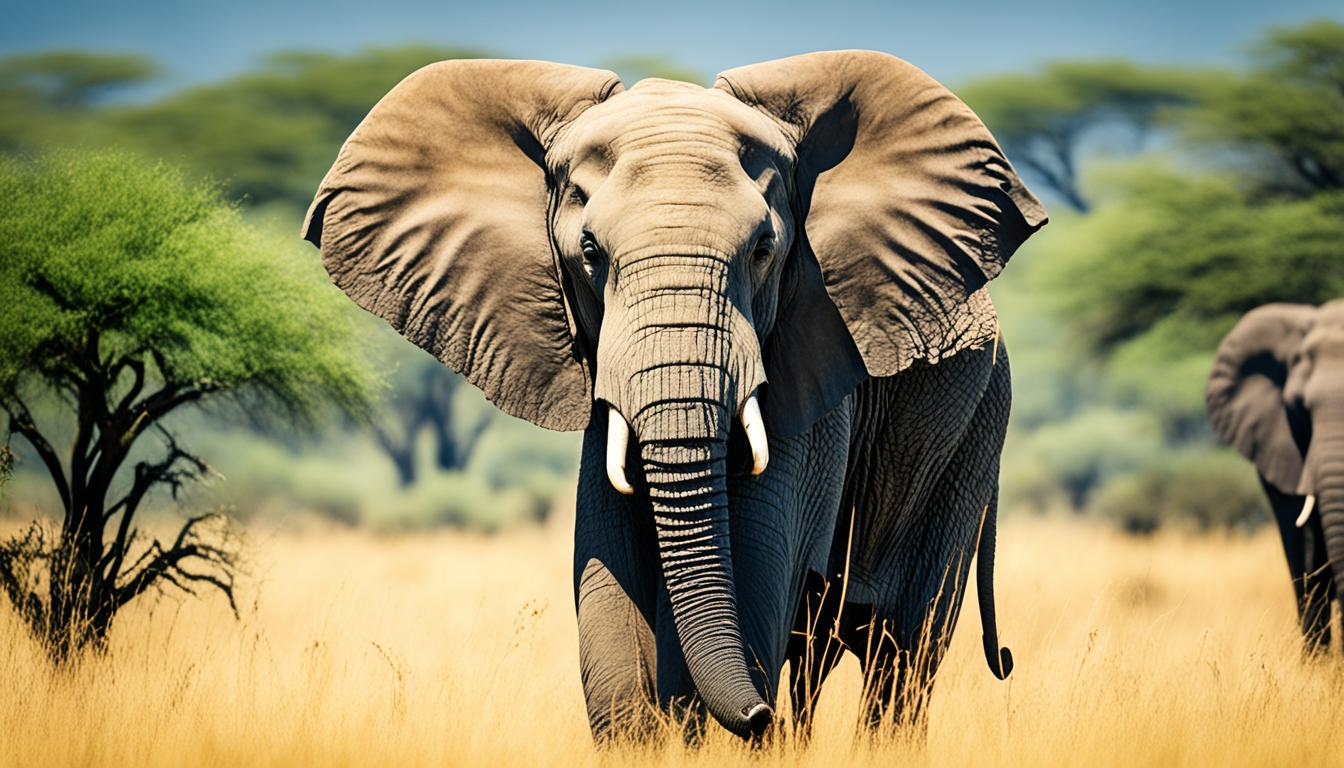
The Gentle Giant: African Elephant
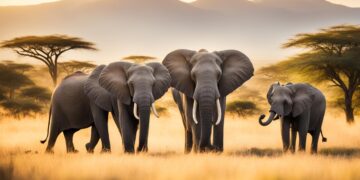
The African elephant is a symbol of the African wilderness, being the largest land mammal. These gentle giants have won the hearts of people worldwide with their size and unique traits. But, they face a big threat from the ivory trade and habitat loss.
Ivory Trade and Habitat Loss
The African elephant’s struggle is tied to the demand for its ivory tusks. For years, the illegal ivory trade has led to the cruel killing of these animals. This has caused their numbers to drop by up to 60% in the past few decades.
Habitat loss also threatens the African elephant. As humans move into their lands, the elephants’ homes and paths are destroyed. This not only harms them but also disrupts the ecosystem balance.

Conservation efforts have grown to protect these animals. Groups and governments have set up anti-poaching laws and fought the ivory trade. They’re also working to save the elephants’ habitats. These actions have helped, but the fight to save the African elephant is ongoing.
Protecting the African elephant and other endangered species is crucial. We must keep supporting conservation efforts. Together, we can help these incredible animals continue to thrive in the African wilderness, inspiring future generations.
The Magnificent Snow Leopard
In the Himalayan mountains, a majestic creature roams the slopes – the snow leopard. This elusive and endangered species is a true icon of the high-altitude ecosystems it inhabits. It has long fascinated wildlife lovers and conservationists with its mystery.
Surviving in the Himalayas
The snow leopard’s home is across the Himalayan range, including parts of India, Nepal, Bhutan, and Pakistan. These felines are well-suited to the harsh, high-altitude environments. Their thick, spotted fur and large paws help them navigate the treacherous terrain and endure the cold.
But, the snow leopard faces threats to its survival. Habitat loss from infrastructure and overgrazing has reduced its natural range. Local communities, who see the snow leopard as a threat to their livestock, also pose a challenge. The illegal wildlife trade is another threat, as people value the snow leopard’s coat and bones.
Conservationists are working hard to protect the snow leopard and its habitat. They use community-based programs and anti-poaching patrols to help. The snow leopard’s survival shows nature’s resilience and highlights the need to protect endangered species worldwide.
Nature & Wildlife: A Delicate Balance
The natural world is a complex system where every species is key to keeping ecosystems balanced. When a species faces danger or disappears, it affects the whole ecosystem. Keeping biodiversity helps maintain the balance that supports life on Earth.
Species like the Bengal tiger, African elephant, and black rhino are nature’s treasures. They are not just amazing to see; they also keep their ecosystems in check. Losing any of these species can harm the food chain and disrupt the balance in their habitats.
Conservation is vital to protect endangered species and nature’s balance. Saving their homes and fighting threats like poaching helps these animals survive. With careful environmental protection, we can keep ecosystems healthy and diverse.
The natural world is like a delicate tapestry, with each species playing a crucial role. Losing a species is like pulling a thread, which can unravel the entire fabric of life. By saving endangered species and their homes, we protect the beauty and variety of nature. This way, future generations can also enjoy the wonders of our planet.
The Elusive Black Rhino
In the vast African wilderness, the black rhino stands as a rare and mysterious creature. Once widespread, it now fights for survival against poaching and habitat loss. This battle has been tough for the black rhino.

The black rhino belongs to the Rhinocerotidae family and is a natural wonder. It is known for its unique horn and large size. But, its survival is now at risk due to poaching and habitat loss.
Poaching, driven by the belief in the rhino’s horn’s medicinal value, has greatly harmed the black rhino. Poachers, seeking profit, have targeted these animals. This has left many without homes and broken families. The black rhino is now close to extinction, with conservation efforts struggling to keep up.
The black rhino’s home is also under threat. Human activities like urbanization and agriculture have taken over its land. This has made it hard for the rhinos to live, pushing them into smaller, less suitable areas.
But, there is hope. Conservation groups and governments are working hard to save the black rhino. They have set up anti-poaching efforts and are protecting the rhino’s habitat. In some places, the black rhino is showing signs of recovery, thanks to these efforts.
The future of the black rhino depends on us. We need to spread awareness, support conservation, and act to protect this amazing creature. By doing so, we can help ensure the black rhino remains in the African wild for years to come.
The Charismatic Orangutan
In the lush rainforests of Southeast Asia, a special primate lives. The orangutan is known for its orange fur and smart eyes. They have won the hearts of people everywhere. But, their future is at risk due to deforestation.
Deforestation and the Palm Oil Industry
The main cause of deforestation is the palm oil industry’s growth. Huge areas of rainforest are cut down for palm oil plantations. This leaves orangutans without homes and makes them very endangered.
Palm oil is found in many products and drives this destruction. It’s a big economic factor in the area. But, the way it’s produced now is harming the orangutans and their ecosystems.
There are efforts to save the orangutans and support sustainable palm oil. Conservationists work with communities, businesses, and governments. They want to balance economic growth with protecting these amazing animals and their homes.
What happens next is up to us. Supporting ethical palm oil practices can help. This way, orangutans can keep living and continue to amaze us for years to come.
The Incredible Amur Leopard
In the Russian Far East and Northeast China, a rare and endangered big cat lives – the Amur leopard. It’s fighting hard to survive because of habitat loss and poaching. Its numbers are getting smaller.
The Amur leopard is a special type of leopard living in the temperate mixed forests. They have beautiful spots and are strong. There are only a few hundred left in the wild. They face threats from losing their homes and being hunted for their body parts.
Groups are working hard to save the Amur leopard. They do anti-poaching patrols, restore habitats, and raise awareness. But, saving this cat is a tough task.
We need to protect the natural world, and the Amur leopard shows us why. By supporting conservation and caring for the environment, we can help this amazing cat stay in the forests. Let’s keep these incredible animals alive for the future.
The Majestic Polar Bear
The polar bear is a symbol of the Arctic, known for its size and presence. This endangered species is threatened by climate change. The melting of Arctic sea ice, their main home, is caused by global warming.
This melting ice means the polar bears have less space to hunt. They must travel further to find food. This has led to a drop in their numbers. Experts say they could disappear if we don’t act on climate change.
Climate Change and Melting Arctic Ice
Climate change is harming the polar bear’s home. The Arctic is warming fast, melting sea ice quickly. This is a big problem for polar bears, who need the ice for hunting and resting.
There are efforts to save polar bears and their Arctic home. Groups and governments are fighting climate change by reducing emissions and using sustainable energy. They’re also studying polar bears to find ways to help them survive.
The polar bear’s future is tied to the Arctic’s health, which is under threat from climate change. By fighting global warming and protecting their homes, we can help these amazing animals thrive for years to come.
Preserving the Wonders of the Natural World
The natural world is full of incredible diversity. It’s home to endangered species that amaze us and make our planet richer. Creatures like the majestic Bengal tiger and the gentle African elephant are key to the ecosystems that support life on Earth. Understanding threats like poaching, habitat loss, and climate change helps us protect these icons of nature.
Conservation efforts have made big strides in recent years. Organizations and individuals work hard to save these animals. They promote sustainable practices, spread awareness, and help local communities. This way, we can all become guardians of the natural world.
Preserving nature is a moral duty. By saving endangered species and their homes, we protect life’s diversity and the ecosystems’ health. With collective action and a strong commitment to protecting the environment, we can ensure nature’s wonders continue to inspire us.