
Wetlands are amazing ecosystems that play a key role in nature’s balance. They are safe havens for many animals, giving them the resources they need to live. By learning about wetlands, we see why we must protect them for the future.
Wetlands are full of life and are crucial for many aquatic species. They are homes to a wide variety of plants and animals. These ecosystems show us how everything in nature is connected. This helps us understand the importance of wetlands for wildlife.
Wetlands are essential for many animals, like migratory birds and unique plants. Exploring these ecosystems shows us their vital role in supporting life on Earth. We must protect them for the future.
Nature’s Thriving Ecosystems: Wetlands
Wetlands are amazing places where land and water meet. They are key to supporting life, being homes for many plants and animals. Let’s look into what makes these places special and why they matter for wetland biodiversity.
Defining Wetlands and Their Significance
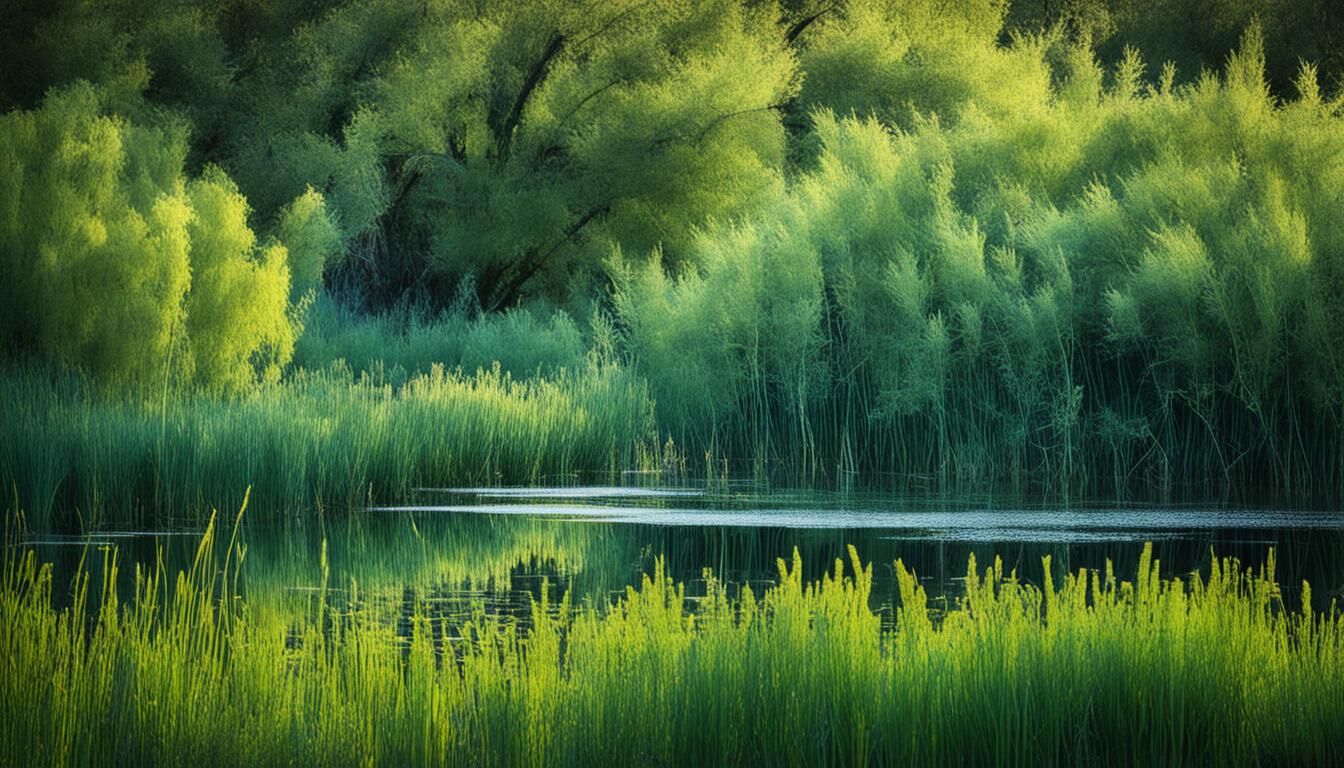
Wetlands are areas filled with water, either all the time or just sometimes. This water makes them perfect for certain plants and animals. These places are important for keeping nature in balance. They offer homes, food, and shelter for many species.
The Role of Wetlands in Biodiversity
Wetlands are full of life, supporting many plants and animals. They are perfect for fish, amphibians, birds, and more. These places help many birds and animals during their migrations.
By saving these wetland definitions, we help nature and keep these places full of life.
Wetland Habitats: Shelters for Wildlife
Wetlands are more than just water. They are vital homes for many animals. These places offer shelter, food, and breeding spots for a wide variety of species. From tiny bugs to big mammals, wetlands support nature’s balance.
Wetlands are full of life, with plants and animals each playing a key role. Aquatic plants like cattails give birds a place to nest. Submerged plants hide fish and other water creatures. Wetlands are safe spots for amphibians and invertebrates, which are crucial for the food chain.
Big animals like deer and moose also depend on wetlands for food and water, especially when it’s dry. These areas are safe nurseries for young animals. They protect them from predators and give them everything they need to grow.
Wetlands are full of different habitats that support many species. This diversity helps the natural world stay healthy and strong. By saving and fixing these wetlands, we help wildlife have the homes and resources they need to survive.
Aquatic Species: Life in the Wetlands
Wetlands are full of life, supporting many fish, amphibians, and birds. These places are perfect for aquatic life to grow and thrive.
Fish and Amphibian Diversity
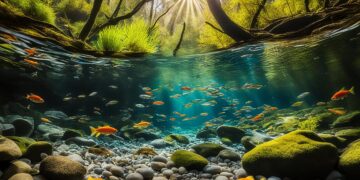
Wetlands are known for their fish diversity. You’ll find everything from sleek bass to beautiful koi. Amphibians like frogs, toads, and salamanders also live here, playing a key role in the ecosystem.
Wetland Birds: Feathered Residents
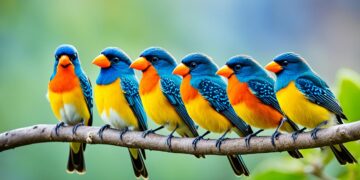
Wetlands are also home to many bird species. Herons, egrets, and songbirds find food and shelter here. These birds show how rich and diverse wetland ecosystems are.
The special conditions in wetlands make them ideal for aquatic life and birds. With lots of water, diverse plants, and safe places, these ecosystems are full of life. They show the amazing variety of nature.
Nature & Wildlife: Wetlands as Nurseries
Wetlands are key for wildlife, offering safe and rich places for many species. They are nurseries, providing breeding and nesting spots for many, including migratory birds. Wetlands are vital for the life cycles and survival of many creatures.
Breeding Grounds for Migratory Birds
Migratory birds love wetlands as important stops and homes during their yearly travels. They come for the food and safe places to breed, raise young, and get ready for their long flights. These places help ensure the survival and growth of many bird species.

Wetlands are also homes for many other animals, like fish and amphibians. They are the heart of nature, keeping ecosystems balanced and supporting many species. These habitats are crucial for the survival of many creatures.
Wetland Vegetation: A Vital Food Source
The diverse plant life in wetlands is key to the ecosystem’s health. These plants are a main food source for many animals. They also clean water, keep shorelines stable, and control water flow.
Plant Life and Its Importance
Wetland plants range from tall grasses to floating plants. They feed many animals like waterfowl, fish, and small mammals. This plant life is the base of the wetland food web.
Wetland plants are made to live in wet places. Their roots keep the soil in place and stop erosion. Their leaves and stems slow down water flow and trap sediments, making the water cleaner. A healthy wetland has many different plants.
Wetland plants do more than just feed animals. They also give shelter and nesting materials. For example, reeds hide marsh birds’ nests, and underwater plants are homes for young fish.
Because wetland plants are so important, we work to save and restore them. Protecting these plants keeps the wetlands healthy and strong. This helps all the life that depends on them.
Threats to Wetland Ecosystems
Wetlands are crucial for biodiversity and face many threats. These threats come from human actions and the environment. They challenge the survival of these vital ecosystems.
Human Activities and Environmental Impacts
Development and land-use changes are big threats to wetlands. Cities, infrastructure, and farming move into wetland areas, destroying them. This harms the natural water flow, soil, and the plants and animals living there.
Pollution is another big problem for wetlands. Waste from industries, farms, and other sources pollutes the water, soil, and air. This hurts the water quality, harms animals, and breaks the food chain that supports these areas.
Taking too many resources from wetlands, like overfishing and logging, is also harmful. It leads to losing homes for many species and breaks down the services wetlands provide, like clean water and flood control.
Climate change is another threat. Warmer temperatures, changes in rain, and rising sea levels can destroy wetlands. This forces animals out and harms the important work wetlands do.

To protect wetlands, we need to do many things. This includes using land wisely, controlling pollution, and saving these areas. By valuing and protecting wetlands, we can keep them strong. This helps both wildlife and people.
Conserving Wetlands: A Global Priority
Wetlands play a vital role in supporting wildlife and keeping our environment healthy. That’s why saving these ecosystems is a top goal worldwide. People are using sustainable methods and projects to protect and bring back wetlands. This ensures they are safe for now and the future.
Sustainable Practices and Initiatives
Restoring wetland habitats is a big part of saving them. This means fixing damaged areas by adding native plants, cleaning up the water, and removing harmful invaders. By doing this, we help these ecosystems support more wildlife and offer important services to us.
Countries are also setting up strong rules to protect wetlands. They make some areas safe zones, limit harmful activities, and have strict green laws. These steps help stop wetlands from being harmed by bad development or use.
Keeping an eye on wetlands and doing research is also key. Scientists and groups watch the water quality, animal numbers, and other important signs. This helps them find and fight threats early. It leads to better policies and actions to save wetlands.
Working together is the best way to protect wetlands. Governments, communities, and green groups must join forces. With sustainable actions and plans, we can make sure wetlands stay healthy. They will keep supporting a wide range of wildlife and giving us important services for years to come.
Experiencing the Beauty of Wetlands
Wetlands are a unique and captivating place for visitors. They offer serene birdwatching and exciting wildlife viewing. These vital ecosystems are perfect for exploration and appreciation.
Imagine kayaking through calm waters or hiking on lush trails. The beauty of wetlands can truly captivate your senses. It helps you understand why these environments are so important.
For those into wetland recreation, there’s a lot to do. You can kayak silently and see waterfowl and plants up close. Or, hike along boardwalks to hear and see the wetland’s diverse life.
These activities are fun and teach you about the importance of wetlands. They make you appreciate and want to protect these places.
Wetland tourism is becoming more popular. More people are discovering the beauty and importance of these natural areas. By joining tours or exploring on your own, you learn about their role in nature.
Wetlands are great for nature lovers, photographers, or anyone who loves the outdoors. They offer an unforgettable experience.