






Inflammation is a natural way our body protects itself. But, if it gets out of control, it can cause health problems. This guide will give you tips to lower inflammation and boost your health. By finding the causes, living an anti-inflammatory lifestyle, and making simple changes, you can control inflammation and improve your health.
It’s not just about treating symptoms; it’s about fixing the root causes and taking a whole-body approach to health. This article will show you how to fight inflammation. You’ll learn about changing your diet, getting more active, managing stress, and trying natural supplements. By doing these things, you’ll move towards a healthier life without chronic inflammation.
Understanding Inflammation: The Root Cause
Inflammation is a complex response of the body’s immune system. It happens when the body faces threats like pathogens or damaged cells. It’s key in defending against threats but can cause health problems if not managed well.
What is Inflammation?
Inflammation signals the immune system to heal and protect against invaders like bacteria and viruses. It brings increased blood flow, redness, swelling, and sometimes pain to the affected area.
Types of Inflammation
There are two main types: acute inflammation and chronic inflammation. Acute inflammation is a quick response to injury or infection. It’s a natural healing process. Chronic inflammation, however, is a long-term inflammation that can cause serious health issues like heart disease, diabetes, and cancer.
Knowing the difference between acute vs chronic inflammation and the inflammatory response helps in tackling health issues. By finding and addressing the causes of inflammation, people can improve their health and well-being.
Anti-Inflammatory Diet: Fuel Your Body Right
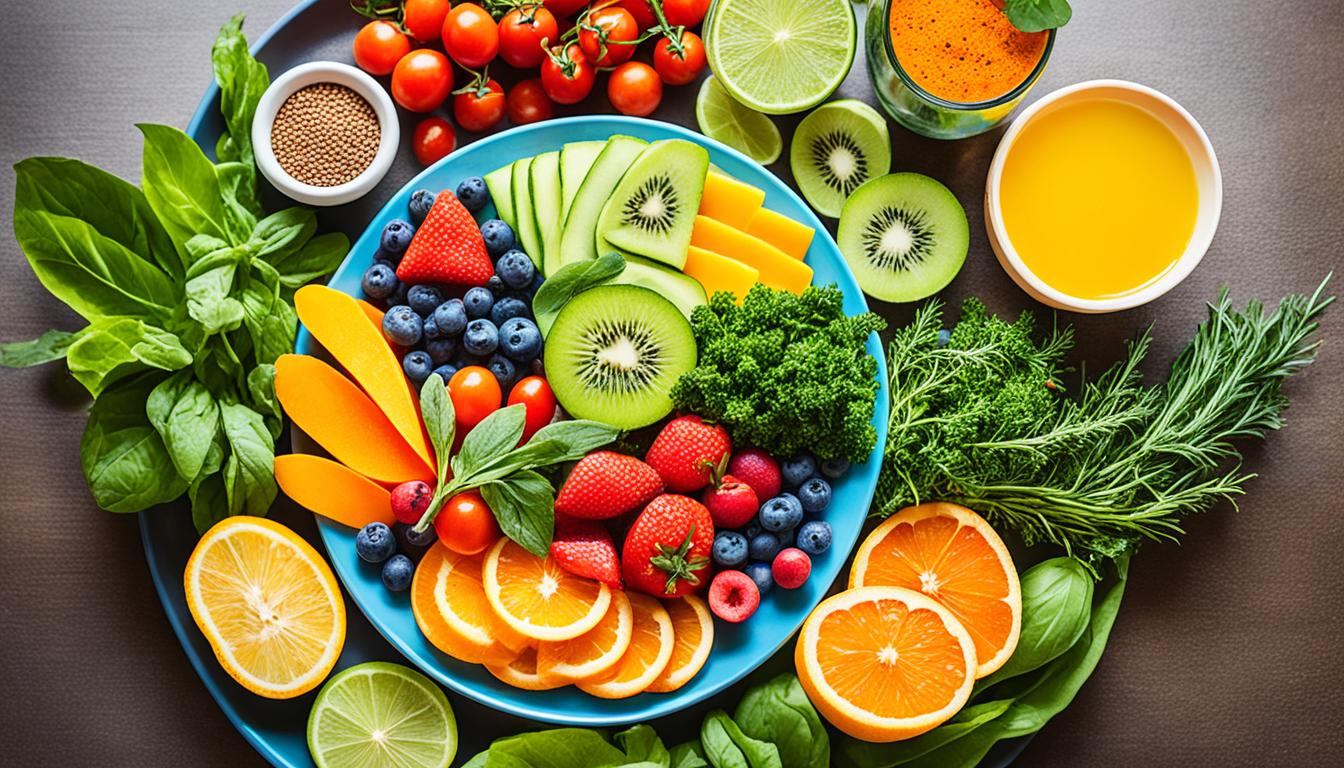
Starting an anti-inflammatory diet is key to fighting inflammation and boosting health. It focuses on eating whole, nutrient-rich foods known for their anti-inflammatory effects. Eating these foods helps your body work better and lowers inflammation.
Key foods in an anti-inflammatory diet are fresh fruits, veggies, whole grains, lean meats, healthy fats, and spices like turmeric. These foods cut down on inflammation and give you the vitamins and minerals you need.
An anti-inflammatory diet tackles inflammation at its source. By eating right, you can control inflammation and improve your health. This approach reduces symptoms and targets the causes of inflammation for lasting health.
Adding anti-inflammatory foods to your meals is easy and effective. You can choose from leafy greens, berries, fatty fish, and turmeric. Making smart food choices helps lower inflammation and boosts your health.
Exercise and Movement: A Natural Anti-Inflammatory
Adding regular physical activity to your life can help reduce inflammation in your body. High-impact exercises might make inflammation worse. But, low-impact workouts are gentler and can still offer big anti-inflammatory benefits.
Low-Impact Exercises for Inflammation Relief
Yoga is a top choice for fighting inflammation. It combines gentle stretches, deep breaths, and mindful moves. This helps calm your body and mind, lowering stress and inflammation. Pilates is another great choice. It strengthens your core with low-impact moves.
Swimming is an excellent exercise for reducing inflammation. The water eases the pressure on your joints, allowing for a full workout without making inflammation worse. Cycling, whether outdoors or on a stationary bike, boosts your heart health and cuts down on inflammation.
It doesn’t matter which exercise you choose, focus on movements that are easy, smooth, and easy to keep up with. Adding these low-impact workouts to your routine brings many anti-inflammatory benefits without stressing your body more.

Stress Management: Calming the Mind, Healing the Body
Chronic stress can lead to inflammation, making stress management key. Techniques like mindfulness and meditation help reduce inflammation and boost well-being. They connect the mind and body, helping the body heal naturally.
Mindfulness and Meditation Techniques
Mindfulness practices, including meditation, help manage stress and lower inflammation. They teach us to be aware of the present moment. This helps us see our thoughts and feelings without reacting to them.
This approach reduces the body’s stress response, which can lessen inflammation from chronic stress. Techniques like guided meditation and body scans are great for stress relief. They make the mind focus on breathing or the body, leading to deep relaxation.
The link between the mind and body is key to fighting inflammation. By using mindfulness and meditation, we can help our bodies heal and stay healthy.
Supplements and Herbs: Natural Allies
Alongside dietary and lifestyle changes, certain supplements and herbs can help reduce inflammation naturally. Research shows they are key in easing inflammation symptoms. They offer a natural way to support health and wellness.
Turmeric is a top choice for fighting inflammation, thanks to curcumin. Studies prove curcumin’s strong anti-inflammatory effects. Ginger is also known for its anti-inflammatory properties, thanks to gingerol.
Omega-3 fatty acids in fish oil supplements are another natural anti-inflammatory option. They reduce inflammatory chemicals in the body. This can ease joint pain, stiffness, and other inflammation symptoms.
For those looking into natural ways to fight inflammation, talking to healthcare experts is key. They can help ensure these supplements and herbs are used safely and effectively. It’s important to think about your own health needs and any possible interactions with other medications.
Health & Wellness Tips: A Holistic Approach
Managing inflammation and improving our health requires a holistic approach. By using the strategies shared in this article, we can tackle inflammation at its source. This means eating an anti-inflammatory diet and finding ways to reduce stress.
Eating foods rich in nutrients can help fight inflammation. Adding regular exercise, like easy workouts or mindful moves, boosts our health. Stress management is also key, as too much stress can make inflammation worse. Using mindfulness and taking care of ourselves helps keep our body and mind calm.
Supplements with anti-inflammatory herbs and nutrients can also help our health. By creating a plan that fits our needs, we can manage inflammation better. This leads to a healthier, more vibrant life.

Improving our health is a journey, not just a goal. By using a holistic approach, we can fight inflammation and live a full, balanced life. These comprehensive health and wellness tips help our bodies stay strong against life’s ups and downs.
Sleep Hygiene: Restoring Balance
Quality sleep is key to fighting inflammation in the body. By improving your sleep habits, you can make your sleep area better for healing and reducing inflammation. We’ll share tips and strategies to help you sleep better and feel better overall.
Creating a Sleep-Friendly Environment
Your sleep can be greatly affected by your sleep area. To make a space good for sleep, follow these tips:
Keep your bedroom cool and comfy. Aim for a temperature between 65°F and 70°F (18°C to 21°C). This helps you sleep well and fight inflammation.
Get a good mattress and soft sheets. A supportive mattress and soft sheets help you relax and recover fully.
Reduce light and noise. Use blackout curtains or an eye mask for no light. A white noise machine or earplugs can make it quiet and peaceful.
Stick to a regular sleep schedule. Sleeping and waking up at the same time every day helps your body’s natural sleep cycle. This improves your sleep quality and helps with inflammation.
Lifestyle Modifications: Small Changes, Big Impact
Reducing inflammation doesn’t have to be hard. By making small, lasting changes, you can greatly improve your health. Simple changes like drinking more water and avoiding toxins can make a big difference.
Drinking enough water is easy but often forgotten. It helps remove toxins and lowers inflammation. Try to drink lots of water each day. Adding anti-inflammatory foods like ginger or berries can also help.
Also, try to avoid toxins at home. Use natural cleaning products instead of harsh ones. Be careful with the products you put on your body too. These changes can really help reduce inflammation.
Adding anti-inflammatory foods to your diet is another good idea. Try turmeric-based dishes or eat more berries. Doing some yoga or deep breathing exercises daily can also help. These small changes can make a big difference in managing inflammation.
When to Seek Professional Help
While this guide offers helpful tips, sometimes you need to talk to healthcare experts. If you have ongoing or severe inflammation that doesn’t get better with lifestyle changes, see a doctor or a dietitian.
A healthcare provider can find out why you have inflammation and create a plan just for you. They might suggest tests, prescribe medicine, or recommend changes in diet and exercise. Working with a medical team means you get care that fits your specific needs.
If you have worries or questions, don’t be shy. Your health is the most important thing. Working together with healthcare experts can help you control inflammation and feel your best.