





Life today moves fast, making stress and anxiety common foes. But, with the right strategies and mindset, you can find peace again. This guide will give you effective ways to handle stress, ease anxiety, and build a positive mindset.
Stress and anxiety affect our health and happiness, making life less enjoyable. By knowing what causes them and finding ways to cope, we can take back control. This guide will help you understand and tackle these issues.
If you’re facing work or personal challenges, this guide is for you. It offers tools and knowledge to make life easier. You’ll learn stress-reduction techniques, mindfulness, and how to change your lifestyle for the better.
Understanding Stress and Anxiety
Stress and anxiety are common mental health issues today. It’s key to know what they are and how they differ. This helps us find ways to cope with them.
What is Stress?
Stress is how our body reacts to threats or big demands. It gets us ready to face a challenge or run away from it. The stress definition includes the emotional, physical, and mental strain from life events or situations. Work, money worries, personal issues, and big life changes are common causes of stress.
What is Anxiety?
Anxiety is a condition marked by constant and too much worry, fear, and fear of what might happen. The anxiety definition includes feeling uneasy, nervous, and scared, which can really affect daily life. Things like genes, past traumas, and the environment can be causes of anxiety.
Stress and anxiety are related but different. Stress is a normal reaction to challenges. Anxiety is a condition that can happen even without a clear stressor. Knowing the difference helps us find better ways to deal with them.
Identifying Triggers and Warning Signs
It’s key to know what triggers stress and anxiety in you. This knowledge lets you tackle these issues early. By doing so, you can keep your mind in a better state.
Stress can come from big life changes, work stress, money worries, fights with others, or too much to do. Knowing what stresses you out helps you get ready for tough times. Anxiety can be caused by fears, being in social situations, health problems, or past traumas.
It’s also vital to notice when you’re getting stressed or anxious. Signs of stress include getting easily annoyed, having trouble focusing, feeling tired, tight muscles, and changes in how you sleep or eat. Anxiety signs are feeling too worried, being restless, having a fast heartbeat, sweating, and feeling scared or nervous.
Knowing your triggers and warning signs lets you manage your feelings before they get out of control. Using healthy ways to cope, like exercising, practicing mindfulness, and getting support, can make dealing with stress or anxiety easier.
Healthy Coping Mechanisms
Dealing with stress and anxiety can feel tough, but using healthy coping methods can help a lot. Two great ways to try are physical exercise and mindfulness/meditation.
Physical Exercise Techniques
Regular exercise is a great way to ease stress. It helps reduce physical tension and boosts your mood by releasing endorphins. Whether it’s a walk, yoga, or a tough workout, doing something you like can really help with anxiety and make you feel better overall.
Mindfulness and Meditation Practices
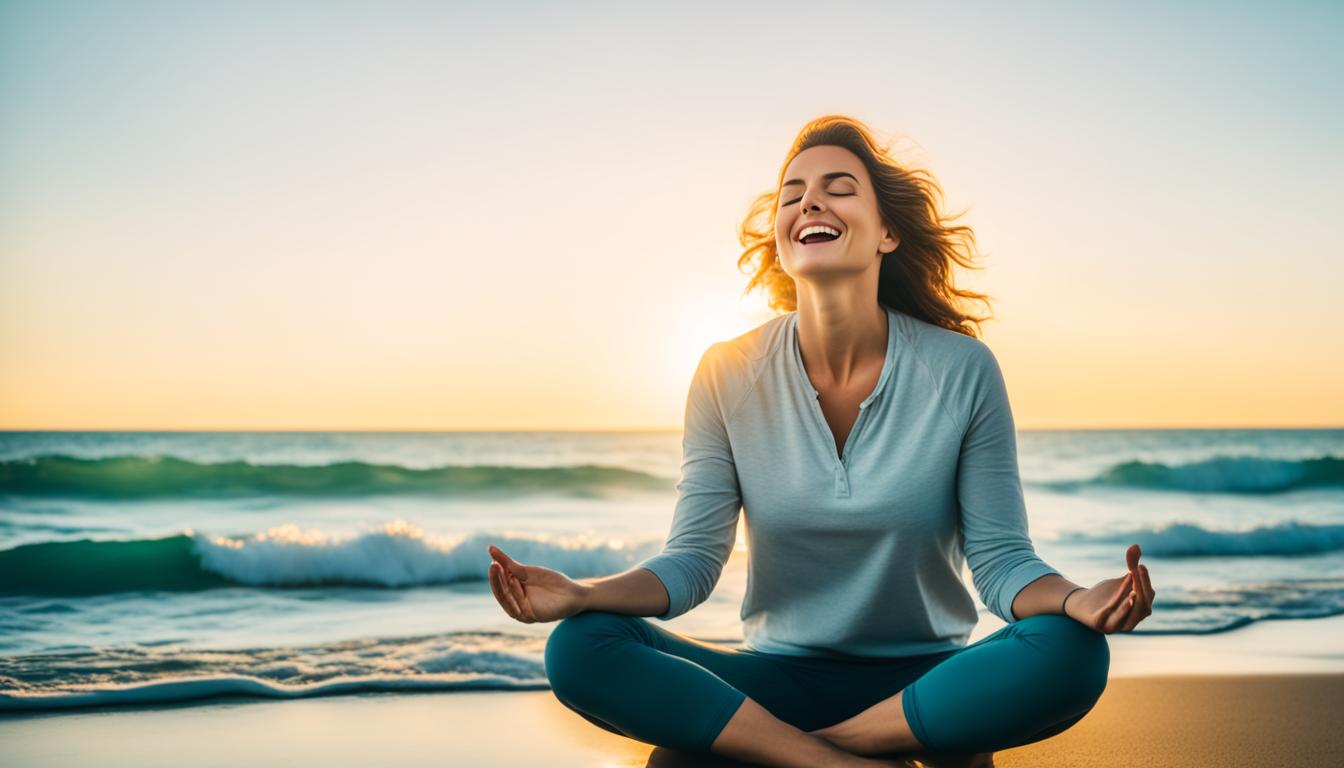
Mindfulness and meditation are known for reducing stress and anxiety. They help you stay in the moment, focusing on your breath and feelings, not your worries. Just a few minutes of mindfulness meditation each day can greatly improve your mental and emotional health.
Using both physical activity and mindfulness can give you a strong way to handle stress and anxiety. Try different things to see what suits you best. Remember, doing these things regularly is important for lasting benefits.

Health & Wellness Tips for Stress Relief
Keeping a healthy lifestyle is key to handling stress and anxiety. Here are some top tips and practices for better well-being:
Managing your time well is vital for less stress. Make a schedule that balances work and personal life. Prioritize tasks and take regular breaks to recharge.
Self-care activities like mindfulness, meditation, or deep breathing are great for stress and anxiety. They help you feel calm and peaceful, making daily life easier.
Looking after your emotional health is important for stress relief. Connect with others by spending time with friends or joining a group. Writing in a journal or talking to a friend can also help you deal with stress.
Eating right and staying hydrated also help with stress and anxiety. Add foods that reduce stress to your meals. Drink plenty of water all day.
Using these wellness practices and self-care methods can help you fight stress and anxiety. This leads to a healthier and happier life.
Lifestyle Changes for Anxiety Management
Managing anxiety often means making lasting changes in your life. Focus on getting better sleep and eating right with plenty of water. These changes can greatly improve your health and make you more resilient against anxiety.
Improving Sleep Quality
Good sleep is key to handling anxiety. Stick to a regular sleep schedule, avoid caffeine and screens before bed, and make your bedroom comfy. Try to get 7-9 hours of sleep each night to help your body and mind relax and heal.
Balanced Nutrition and Hydration
What you eat and drink affects your anxiety. Eat a diet full of whole foods like fruits, veggies, lean meats, and whole grains. These foods keep your blood sugar stable and give you the vitamins and minerals you need for your mind and body. Drinking lots of water also helps reduce anxiety and boosts your health.
Focus on sleep, eating well, and drinking enough water to fight anxiety. These changes can be the start of a healthier life. They help you handle anxiety better and improve your overall well-being.
The Power of Positive Thinking
Having a positive mindset can really change how you handle stress and anxiety. By using cognitive-behavioral techniques, you can change your negative thoughts. This helps you see life in a more optimistic way.
One important part is reframing thoughts. Instead of thinking the worst, you can spot and fix negative thinking patterns. This change can make you feel less stressed and anxious. It helps you face challenges with more strength and willpower.

Along with these techniques, building a positive mindset means being thankful, kind to yourself, and living in the now. Focusing on the good things in life can stop negative thoughts that cause stress and anxiety.
Being optimistic doesn’t mean you ignore problems. It’s about having a mindset that sees challenges and chances for growth. This way, you can handle stressful times with peace and confidence.
By using these positive thinking methods every day, you can take charge of your mental health. This reduces stress and anxiety’s effect on your happiness and health.
Building a Support System
Dealing with stress and anxiety can feel overwhelming, but you’re not alone. It’s important to build a strong support system for your mental health. Having caring and understanding people around you can offer both emotional and practical help when you need it.
Seeking Professional Help
While family and friends are great, sometimes you need professional help to manage stress and anxiety. Therapists and counselors are experts in mental health. They offer strategies, care, and a safe place to talk about your feelings.
Looking for professional support can be a big step towards better mental health. It can help you learn how to cope, find the cause of your stress, and understand your emotions better. This can lead to a healthier life.
Remember, asking for help is a sign of strength, not weakness. It shows you care about your mental health. With the right support, you can handle stress and anxiety more easily.
Stress-Free Environment at Home and Work
Creating a stress-free space is key for our personal and work lives. By using home organization and workplace wellness, we can feel calm, focused, and productive.
At home, minimalism can change everything. By decluttering and simplifying your space, you can greatly improve your mental health. Keep only what makes you happy and meaningful. This makes your home look better and helps you feel less overwhelmed by choices.
At work, it’s also vital to have a calm space. Ask your boss to start wellness programs, like flexible hours, meditation at work, or a quiet spot for relaxation. These small steps can make a big difference in how happy and productive you feel.
Creating a stress-free space takes time and effort. It’s a path of making thoughtful changes and sticking with them. By focusing on your well-being at home and work, you can find peace and clarity. This lets you do your best in every part of your life.
Incorporating Relaxation Techniques
Adding relaxation techniques to your daily life can help manage stress and anxiety. Deep breathing and progressive muscle relaxation are two great options to try.
Deep Breathing Exercises
Deep breathing is easy yet powerful. It calms the mind and body. Start in a quiet, comfy spot.
Inhale slowly through your nose, feeling your belly expand. Hold the breath for a bit, then exhale slowly through your mouth. Let go of tension as you breathe out. Do this a few times, paying attention to your breath.
Progressive Muscle Relaxation
Progressive muscle relaxation means tensing and relaxing different muscle groups. Begin by squeezing your fists, hold for a few seconds, then release. Move up through your arms, shoulders, neck, and face.
Then, work your way down to your legs and feet. This helps you notice when you’re tense or relaxed. It leads to a deeper calm.