



Coastal habitats are where land meets sea, creating unique ecosystems. They are full of different plants and animals. These areas are key to the health of our planet.
These environments are full of life and are important for many species. They offer resources and services that help both nature and people. Exploring coastal habitats shows how they impact nature, wildlife, and communities.
Coastal habitats are full of beauty, from coral reefs to mangrove forests and seabirds. They protect our shores and the people who live there. These places are not just beautiful; they are also crucial for our safety.
We will learn more about the life in coastal habitats, the dangers they face, and how we can protect them. These efforts are important for keeping these places safe for the future.
What Are Coastal Habitats?
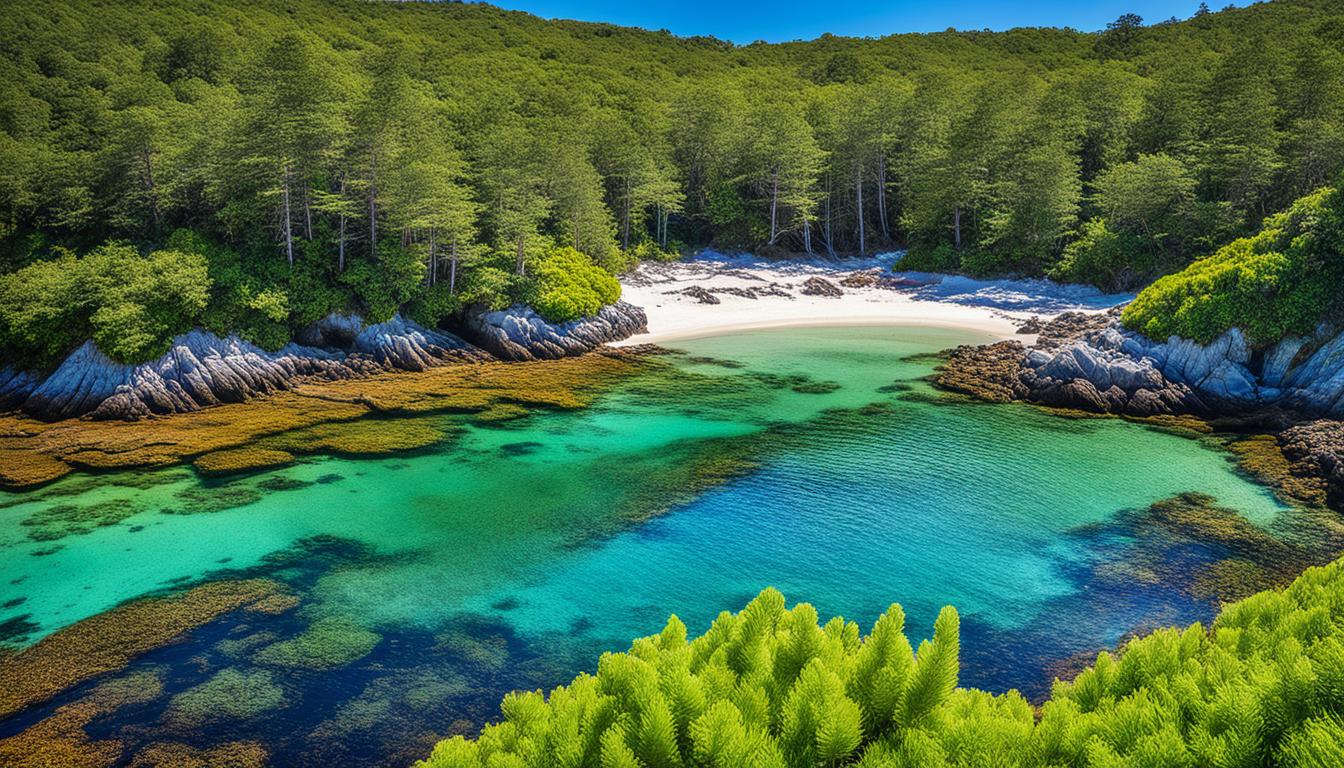
Coastal habitats are places where land meets sea. They are full of life, with plants and animals that live in these special areas. Each one is adapted to the changing conditions of the coast.
Defining the Diverse Ecosystems Along the Shoreline
Estuaries are peaceful places where rivers meet the ocean. Mangrove forests are found in warm places and are full of life. Salt marshes have grassy plants and are important too.
These places are key for many plants and animals. They also help us by protecting against storms, cleaning water, and storing carbon. This helps both local people and the planet.
Learning about these areas helps us see why they’re so important. We can work to keep them safe for the future.
Biodiversity Hotspots
Coastal areas are known for their amazing variety of life, often acting as key spots for many plant and animal species. These places host a wide range of marine life, from colorful coral reefs to birds that migrate. They are crucial for breeding and young growth for many species. Keeping these ecosystems healthy is key to protecting the balance of life in coastal areas and saving endangered species.
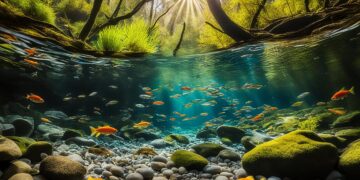
The variety of life in coastal areas is truly amazing. Coral reefs, often called the “rainforests of the sea,” are full of colorful fish, invertebrates, and other sea creatures. Seagrass beds and mangrove forests also support a lot of life, including endangered sea turtles and manatees.
Coastal areas are also home to many migratory birds, offering important places for rest and breeding. These areas are vital for the survival of species like the piping plover, the red knot, and the roseate tern. It’s crucial to protect these habitats to keep these biodiversity hotspots safe.
Understanding the value of coastal biodiversity helps us see why we need to protect these habitats. By working together and using sustainable ways, we can keep our coastlines beautiful and full of life. This way, these special places will continue to flourish for future generations.
Coastal Habitats: Guardians of Marine Life
Along the shoreline, a vibrant ecosystem thrives, serving as a critical sanctuary for a diverse array of marine life. Coastal habitats, such as estuaries, mangroves, and salt marshes, play a vital role in nurturing the next generation of aquatic species. They provide the resources and protection they need to thrive.
Nurturing Nurseries for Aquatic Species
These coastal ecosystems are more than just scenic backdrops; they are living, breathing nurseries that support the life cycles of countless marine organisms. Estuaries, where freshwater rivers meet the sea, offer a unique blend of nutrient-rich environments. This is ideal for the growth and development of young fish, crustaceans, and other aquatic species.
Mangrove forests, with their intricate root systems, provide sheltered havens where juvenile marine life can hide from predators. They also find an abundance of food to fuel their growth.
Salt marshes, with their expansive meadows of grasses and vegetation, also play a vital role in coastal nursery habitats. These dynamic ecosystems not only offer protection for young marine life. They also serve as important breeding grounds for numerous species, including commercially and recreationally valuable fisheries.
By providing these critical nursery habitats, coastal ecosystems play a crucial role in maintaining the long-term health and sustainability of marine life. They are the guardians of our underwater world. They ensure that future generations of fish, crustaceans, and other aquatic species have the resources they need to thrive. This helps maintain the delicate balance of coastal and marine ecosystems.

Nature & Wildlife: Treasures of Coastal Realms
Coastal areas are full of life, with many different kinds of wildlife. You can see birds flying in the sky and marine mammals in the water. These places are perfect for people who love nature and wildlife to enjoy and learn about the beauty of the world.
Many species live in these coastal areas, like seals, whales, and dolphins. Bird lovers can see birds like ospreys, pelicans, and herons flying over the coast. The plants here, from colorful wildflowers to tall maritime forests, add to the beauty of these places.
It’s important to keep coastal areas safe for the animals and plants that live there. This helps keep the balance of nature and lets future generations enjoy the beauty of the coast. By supporting eco-tourism and conservation, we can help protect these special places for a long time.
Eco-Tourism Destinations
Coastal habitats are now top spots for eco-tourism. They let visitors see the beauty and wonder of these special places. Activities like birdwatching, kayaking, hiking, and beachcombing are available. These activities let outdoor lovers dive into nature.
Experiencing Nature’s Wonders Responsibly
It’s key to do eco-tourism in a way that’s good for the planet. This means not harming the coastal areas and helping them last long. Eco-tourists can join activities that help the environment and support local people.
Visitors can explore mangrove forests, see marine life, or just chill on untouched beaches. Coastal ecotourism lets people connect with nature. By being sustainable and caring for the ecosystem, visitors help protect these places for the future.
Climate Change: Threats to Coastal Havens
Coastal habitats face a big threat from climate change. As the planet warms up and sea levels go up, these areas are under huge pressure. Climate change brings many dangers, harming the plants and animals that live there.
Sea levels are rising because of melting ice and the ocean expanding. This is taking away coastal areas fast. It’s eroding shorelines, flooding important habitats, and moving species away from their homes. Storms, getting more intense and frequent, make this worse, eating away at these ecosystems.

Climate change also harms coastal habitats in other ways. Warmer temperatures and changes in rain can upset the balance of these ecosystems. This can lead to losing many species as some can’t adapt to the new conditions. Meanwhile, invasive species can thrive in these new environments.
We must act to protect coastal habitats from climate change. By cutting down on greenhouse gases, supporting coastal restoration, and promoting sustainable development, we can help. These actions are crucial to save these natural places for the future. Our coastal havens are at risk, and we need to face these challenges together.
Conservation Efforts: Preserving Natural Wonders
Many efforts are underway to protect and restore coastal habitats. These efforts come from communities, governments, and international groups. They use strategies like habitat restoration, reducing pollution, and creating protected areas. These actions help keep coastal environments healthy and resilient.
Community Initiatives and Government Policies
Local communities are leading the charge in coastal conservation. They work on restoring habitats, cleaning beaches, and spreading the word about coastal conservation. These efforts build a sense of responsibility among residents and inspire others to act.
Governments are also stepping up with policies and regulations to protect coasts. They set up marine protected areas and enforce stricter environmental laws. They also fund projects to restore and conserve habitats. These actions are key to protecting coasts for the future.
International partnerships and agreements are crucial too. Groups like the United Nations Environment Programme and the International Union for Conservation of Nature help set standards for coastal management. They push countries to work together to protect these vital ecosystems.
Economic Importance of Coastal Habitats
Coastal habitats are key to the health of local and regional economies. They offer many valuable resources and services. These areas support fishing, aquaculture, and tourism. They also protect against natural disasters and erosion.
The coastal economy depends a lot on managing coastal resources well. Fishing and aquaculture do well in these rich waters, helping the economy a lot. Also, coastal beauty draws eco-tourists who want to see these unique places.
Coastal habitats give many benefits beyond their economic value. They protect against erosion and flooding, keeping buildings and roads safe from storms and sea level rise. Mangroves and salt marshes also help fight climate change by storing carbon.
It’s important to understand how coastal habitats help the economy. We must manage these areas in a way that balances community needs with protecting nature. This way, we can use coastal resources fully while keeping their ecosystem services safe.
Recreational Benefits of Coastal Areas
Rejuvenating Mind, Body, and Soul
Coastal areas are full of fun activities that boost our health and happiness. You can enjoy sunny days walking on the beach or try exciting water sports. These places offer a break from daily stress.
Being in coastal areas can make us feel better mentally. It helps reduce anxiety and depression. The sound of waves, the sea breeze, and the stunning views bring peace. This helps us feel balanced and improves our well-being.
Coastal activities are great for staying fit too. You can swim, kayak, or hike by the sea. These activities improve your heart health and strengthen muscles. The fresh air and beautiful nature make us want to enjoy these activities more, helping us appreciate the coast.