






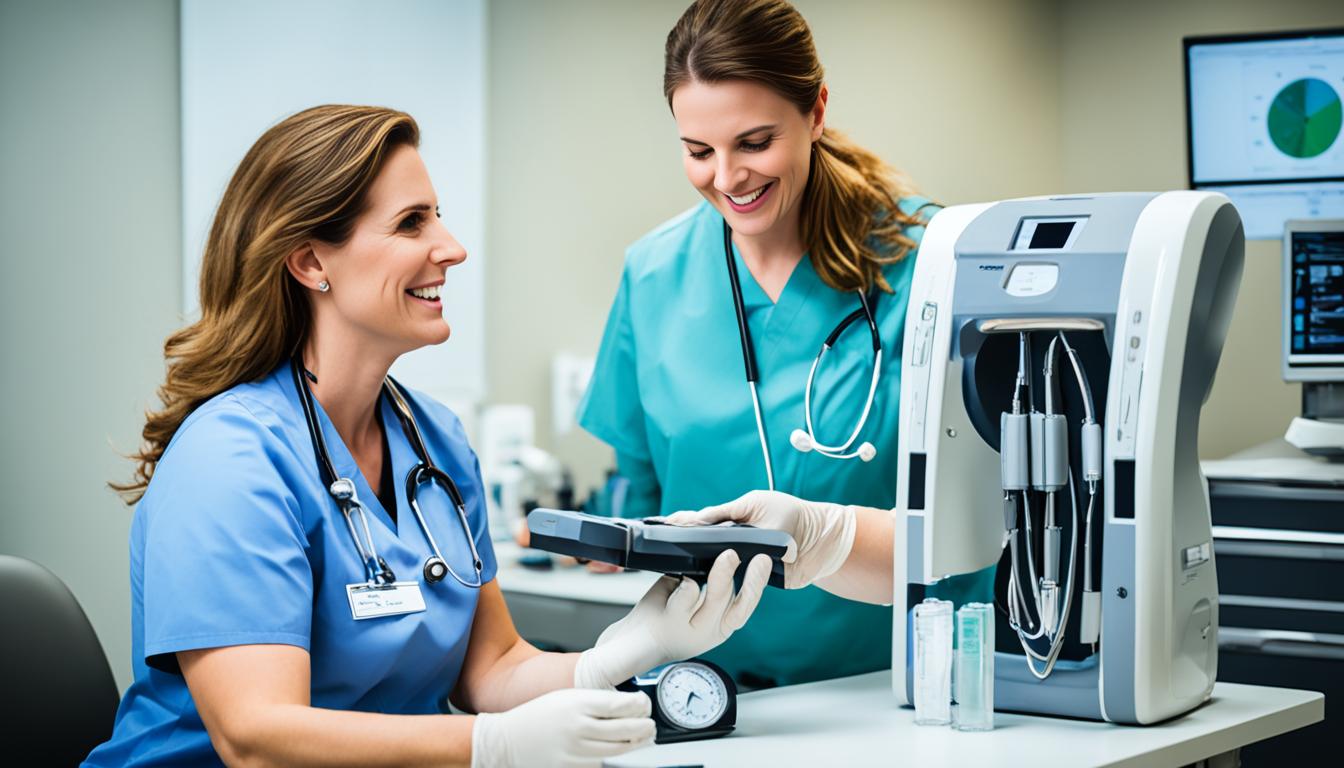
Looking after your health is key to feeling great. Regular health checks are vital for catching problems early. This lets doctors take action fast. By going for routine check-ups, you can really boost your health and avoid serious illnesses.
Preventive screenings help keep you healthy and happy. Finding health issues early means treatments work better and are less harsh. This is good for your health, wallet, and feelings.
Being proactive with your health is a smart move for your future. By using the latest in preventive care, you and your doctor can keep you in top shape. Remember, your health is the most important thing. Regular screenings are a key part of staying healthy and living well.
Preventive Care: The Key to Staying Ahead
Good health is a top priority for many. One of the best ways to stay healthy is through preventive healthcare. Regular checkups and screenings can help catch health problems early.
Why Early Detection Matters
Finding health issues early can change how they are treated and the outcome. Early detection means quicker action, which often leads to better treatment and results. By being proactive with your health, you can keep yourself in top shape.
The Power of Routine Checkups
Routine medical exams are key for preventing diseases and keeping an eye on your health. These checkups let doctors check your overall health. They can spot potential problems early and create a plan to keep you healthy.
Understanding Common Health Screenings
Regular health screenings are key to preventive healthcare. They help find many conditions early, like cancer and heart issues. This leads to better health outcomes. Knowing about these screenings helps people take care of their health early.
The mammogram is a well-known test for breast cancer. The colonoscopy checks for colorectal cancer. For those at high risk, lung cancer screenings with low-dose CT scans are advised.
Skin exams can spot skin cancers early. Pap smears and HPV tests check for cervical cancer in women.

Cardiovascular screenings, like blood pressure and cholesterol tests, check heart disease risk. Diabetes screenings spot this condition early. Bone density scans find osteoporosis, and vision and hearing tests catch problems with these senses.
Knowing about these screenings helps people make a plan for their health with doctors. Regular checkups and screenings are key. They help find issues early and let people take charge of their health.
Health & Wellness Tips: Prioritizing Your Well-being
Keeping good health and wellness is key to a happy life. By adding simple health tips to your daily life, you can prevent diseases and take care of yourself. These habits can greatly improve your well-being over time.
Lifestyle Choices and Their Impact
Your daily choices affect your health a lot. Eating foods full of nutrients helps your body work right and lowers disease risk. Exercise boosts your mood, strengthens your heart, and makes you fitter.
How you handle stress is also crucial. Doing things like meditation, yoga, or just thinking deeply can keep you positive and avoid stress’s bad effects. Getting enough sleep and balancing work and life are also vital for health.
Choosing to focus on your health and wellness helps you prevent diseases and live better. Try these tips and start your journey to a healthier, happier you.
Age-Specific Screening Recommendations
Good health is a journey that lasts a lifetime. The screening tests you need change a lot with your age and risk factors. It’s key to be proactive with preventive healthcare. This way, you can catch health issues early and keep well throughout life.
Tailoring Screenings to Your Life Stage
As you get older, your body’s needs and disease risks change. Age-based screenings are vital for a health plan tailored to you. They help spot disease risk factors early. No matter your age, work with your doctor to pick the right screenings for you.
Keeping up with preventive healthcare screenings is key to your health. This lets you find problems early. Then, you can act fast and maybe stop or slow serious conditions.
Your health needs are unique. Talk to your doctor to make a health plan that fits you. Consider your age, family history, and risk factors. This way, you can manage your health better and make smart choices for your life.
Overcoming Screening Barriers
Getting to preventive care and health screenings is key for catching diseases early. But, many people can’t get the healthcare they need because of big hurdles. These hurdles include not having enough money, not having easy access to health services, and not knowing why screenings are important.
One big hurdle is the cost of screenings and preventive care. People without good health insurance or enough money often can’t pay for these services. This leads to some groups, like those who are very poor or don’t have insurance, not getting the care they need.
Another big hurdle is getting to health facilities. In rural or less served areas, it’s hard to get to the nearest clinic or hospital. Not having a way to get there or not being able to take time off work makes it tough to go for screenings.
Some people also don’t go for screenings because they’re scared or don’t understand them. They might be worried about what the results will show or don’t see the point of regular check-ups. Teaching them about health screenings can help overcome these fears and make them more likely to go.
To beat these hurdles, we need to offer help and support that fits the community’s needs. This could mean giving out financial help, bringing health services to people, and teaching everyone about the value of preventive care and screenings.
The Role of Family History
Our family’s health history is key to understanding our genetic risks and the need for tailored screening. By knowing our family’s health trends, we can find clues about inherited conditions that might affect us.
Unlocking Genetic Clues
Many health issues like heart disease, some cancers, and diabetes have a genetic link. If your relatives have these conditions, you might face a higher risk too. Sharing your family’s health history with your doctor helps spot genetic risks early.

Talking about your family’s health is vital. It sheds light on your own risk levels. This info helps your doctor create a plan for you, including screenings and lifestyle changes to reduce risks.
Being aware of your family’s health history and acting on it empowers you to make better health choices. Remember, the secret to understanding your genetic risks is talking openly with your doctor and sticking to screenings and preventive care.
Partnering with Your Healthcare Provider
Having a strong partnership with your healthcare provider is key for good health. This partnership is built on open talks, making decisions together, and a detailed preventive care plan. Working closely with your provider means your health care is made just for you, considering your unique needs and risks.
Shared decision-making is a big part of this partnership. Your provider should listen to your worries, talk about screening options, and work with you to choose the best action. This way, you take an active part in your health care, leading to better results and more control over your health.
Creating a personalized preventive care plan is also vital. Your provider should understand your health, family history, and lifestyle. With this info, they can make a plan just for you. This plan will help catch health issues early and manage them well.
With a strong relationship with your healthcare provider, you can be proactive about your health. Regular talks, making decisions together, and a plan just for you will keep you on track with screenings and help you stay healthy. Remember, your healthcare provider is your partner in this journey. Together, you can aim for a healthier future.
Embracing a Proactive Mindset
Starting your health journey means taking charge. Don’t wait for problems to happen. Be an active part of your health care.
Learn about the latest in preventive care. Speak up for what you need. Make smart choices about screenings that fit you.
Taking Charge of Your Health Journey
Knowledge is power in health care. Learn about screenings based on your age, gender, and health risks. Early detection is key to staying healthy.
You know your body best. Talk to your doctor about your health concerns. Work together to make a plan that’s right for you.
Being proactive means focusing on healthy habits. This includes eating well, staying active, and getting enough sleep. These choices can greatly improve your health and lower disease risk. By being active in your health, you’re not just preventing problems. You’re also living a better, happier life.