
In today’s world, saving our natural ecosystems and the many animals in them is more important than ever. Wildlife conservation keeps our planet’s balance. It helps us and keeps our home safe for the future.
By following conservation rules, we protect the ecosystems that give us so much. We also save the natural heritage that has amazed and inspired us for thousands of years. With climate change affecting our planet, saving environment and wildlife is crucial. It’s not just for the animals, but for us and our future too.
Biodiversity: The Cornerstone of Life
The natural world is full of complex relationships, all thanks to the amazing variety of life on our planet. This variety, known as biodiversity, is crucial for the health of our ecosystems. It helps keep the balance that supports all life on Earth, from colorful coral reefs to ancient forests.
Understanding Biodiversity’s Value
Biodiversity is essential for our planet. Every living thing, big or small, plays a key role in its ecosystem. This helps keep the environment healthy and strong. By saving biodiversity, we protect the services ecosystems offer us, like clean air and water, and food.
Threats to Biodiversity
Many threats are facing biodiversity. Human actions like cutting down forests and pollution are big problems. Climate change, caused by global warming, also threatens many species by changing their homes.
When a species goes extinct, it can harm the entire ecosystem. This can lead to big problems for both nature and people. Losing a species can start a chain reaction that we can’t always predict.
Keeping our planet’s life rich and varied is a must. It’s not just about nature; it’s also about our values. By protecting biodiversity, we help keep our planet healthy for all living things, including us.
Ecological Balance: Nature’s Intricate Web
The natural world is a delicate tapestry, where every species is crucial. Each one plays a key role in keeping the ecosystem balanced. This balance is vital for life, supporting the food chain and keeping our environment healthy.
Biodiversity is at the core of this balance. From tiny microbes to big predators, every living thing adds to the complex web of life. If one part of this system gets out of balance, it can affect many others, leading to big problems.
Keeping our planet’s ecological balance is key to its future. By seeing how all living things are connected, we learn why saving our environment is so important. We also see how each species helps keep the ecosystem healthy.
Every part of the ecosystem, from predators to decomposers, is crucial. If we harm this balance with things like pollution or invasive species, it can hurt the whole food chain. This can lead to big problems for many species.
Understanding the importance of ecological balance helps us make better choices. These choices can protect our natural world. This way, we can keep our planet healthy for all the species that live here.
Nature & Wildlife: Preserving Our Natural Heritage
Our planet is filled with a wide variety of wildlife, from elephants in the savannas to colorful coral reefs. These animals are key to keeping our ecosystems healthy. It’s our duty to protect them to keep our planet thriving.
Iconic Species and Their Roles
Across the globe, some animals have become symbols of their environments. The snow leopard, for example, is a top predator in Central Asia’s mountains. It helps keep its prey populations in check. The polar bear, another iconic animal, is facing threats due to climate change and its melting sea ice home.
These animals are more than just interesting to see; they are crucial to the balance of nature. Losing one species can harm the entire ecosystem. By saving these animals and their homes, we protect the natural world we live in.

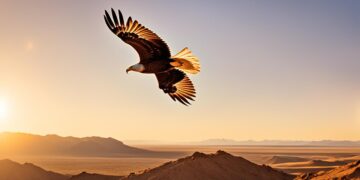
Giraffes in Africa and bald eagles in North America each have special roles in their ecosystems. Saving them shows our dedication to keeping nature diverse and balanced. It’s about caring for the world we live in.
Climate Change and Wildlife Conservation
Climate change is making life tough for wildlife and their homes. The warming planet is melting Arctic ice and raising sea levels. This threatens the balance of ecosystems worldwide. Wildlife must adapt or risk going extinct.
Impacts of Climate Change on Wildlife
Climate change changes temperature and rainfall, affecting wildlife’s resources. Many species can’t keep up, leading to lost habitats and less food. Polar bears, for example, are losing their sea ice homes.
Migratory birds and marine life are also facing big changes. These disruptions can harm the entire food chain. This threatens the planet’s biodiversity.
Conservation Strategies for a Changing Climate
Conservation groups and governments are coming up with new ways to protect wildlife. They’re focusing on making ecosystems more resilient. This includes restoring habitats and creating corridors for species to move.
Another strategy is to fight climate change by cutting down on greenhouse gases. Switching to clean energy can slow global warming. This gives wildlife a better shot at adapting.
By working together, we can help wildlife survive and thrive despite climate change. These strategies are key to protecting the diverse wildlife on our planet.
Economic Benefits of Wildlife Conservation
Wildlife conservation is more than saving nature; it also boosts the economy. It helps the ecotourism industry and supports sustainable resource use. This makes investing in wildlife conservation good for local and global economies.
Ecotourism is a growing part of tourism that focuses on visiting nature responsibly. It creates jobs, brings in money, and helps protect the environment. Countries that protect wildlife see more ecotourists. These visitors come from all over to see the beauty and variety of nature.
Using natural resources sustainably, like forestry and fisheries, also helps communities economically. This way, we get essential goods and services without harming the environment. It protects wildlife and helps with long-term economic and environmental health.
Keeping ecosystems and biodiversity healthy has big economic benefits. For example, forests help with water flow, prevent soil loss, and control floods. These services would be very expensive to make artificially.
Protecting wetlands and coastal areas also boosts fisheries and protects against disasters. This makes regions more economically stable.
In conclusion, wildlife conservation is key for the environment and the economy. By saving our natural resources, we open up economic chances and secure a future for our children.
Ethical Considerations: Our Responsibility
When we look into wildlife conservation, we must think about the ethics behind our actions. We have a big responsibility to take care of the natural world. This means treating animals with kindness and being good stewards of the environment.
Animal Welfare and Humane Treatment
Wildlife conservation is all about the animals’ well-being. We need to see them as living beings that deserve our kindness and attention. This means being careful in our research, rehab efforts, and even in how we visit their homes.
We aim to reduce stress and avoid causing pain to animals. We also make sure to respect their natural ways of living. And we push for laws that stop animals from being mistreated or kept in bad conditions.
By focusing on animal welfare, we show we care about their value and our planet. This approach helps us protect our natural world and everything in it.
Success Stories: Conservation Efforts That Work
In wildlife conservation, it’s key to share success stories that bring hope and push progress. These stories show how working together and using science can protect our natural world.
The black rhino in Africa is a great example. Thanks to efforts like anti-poaching, fixing habitats, and community projects, more black rhinos are alive today. This shows what we can do with dedication to saving wildlife.

The bald eagle in the U.S. is another success story. Once facing extinction from habitat loss and pesticides, these eagles are now recovering. This is thanks to laws and hard work from groups and agencies. Now, they symbolize our fight for the environment.
These stories prove that with science, community help, and determination, we can make a difference. Sharing these stories encourages more people to help protect our planet’s diversity.
Community Involvement: Everyone’s Role
Wildlife conservation is not just for government agencies or environmental groups. It’s for all of us. By joining in, we can really help protect nature and its many species.
Citizen Science and Volunteer Opportunities
Citizen science is a great way for people to help with wildlife conservation. It lets regular folks work with experts to gather important data on plants and animals. By doing this, we can learn more about the world around us and help protect it.
There are also many volunteer chances for those who want to help wildlife. Groups like conservation organizations and wildlife centers need volunteers for things like cleaning up habitats and taking care of animals. By volunteering, we can make a big difference in keeping nature safe.
Helping out, whether it’s counting birds, planting trees, or helping injured animals, really counts. Every bit we do helps with wildlife conservation. By working together, we can make sure nature and its creatures are safe for the future.
Conservation Challenges and Solutions
Wildlife conservation is vital but faces many challenges. These include funding shortages, outdated policies, tech limits, and a lack of public knowledge. These issues make it hard to protect wildlife and restore habitats worldwide.
One big problem is not enough money for protecting wildlife and fixing habitats. Governments and groups often focus on other things, leaving conservation short on funds and staff. New ways to fund conservation, like eco-tourism and carbon credits, could help. These methods could give the money needed for good conservation plans.
Old policies and rules also slow down conservation. Bureaucracies move slowly, and some politicians don’t want to make tough changes. This means we don’t get the rules we need to stop poaching, destroying habitats, and polluting. Working together, policymakers, conservation groups, and local people can make better laws. This ensures laws keep up with wildlife’s changing needs.
Technology can also be a challenge. The tools we use to watch over, track, and protect wildlife might not be good enough. New tech like remote sensing, GPS, and data analysis can really help. We need to invest in research and development to use these new technologies well.
Not enough people know about wildlife conservation is another big problem. Without informed and involved citizens, protecting habitats, stopping poaching, and promoting green practices is hard. Working together, conservation groups, schools, and local communities can teach people. This can make people care more and help them join in conservation efforts.
To overcome these challenges, we need to work on policy, technology, and getting people involved. This way, we can make wildlife conservation more effective and lasting. It will help protect our natural world for the future.
The Future of Wildlife: A Call to Action
The future of our planet’s wildlife is uncertain. We face many challenges like habitat loss, climate change, and poaching. It’s time for us all to step up and support wildlife conservation.
We all can make a difference, big or small. By changing our daily habits and speaking out for the environment, we can help. Let’s reduce our carbon footprint, choose eco-friendly products, and spread the word in our communities. Together, we can create a world where humans and wildlife live in harmony.
Our actions today will shape the future of wildlife. Let’s answer the call to action. By working together, we can protect the delicate balance of our planet. This way, we ensure a better future for all living beings on Earth.