





The world of archaeology is full of amazing discoveries. These finds give us a peek into the captivating histories of long-lost civilizations. They show us ancient cities frozen in time and artifacts that change how we see the past.
Get ready to be amazed by some of the most incredible archaeological discoveries. These finds have changed our view of the ancient world forever.
Archaeologists around the globe have uncovered the secrets of the past. They’ve shown us the amazing achievements of long-lost civilizations. From Pompeii’s ancient ruins to Machu Picchu’s mysteries, these sites have amazed everyone.
These discoveries have inspired scholars, explorers, and adventure lovers. They reveal human ingenuity, resilience, and our deep desire to know where we come from.
Ancient Cities Uncovered
The world is full of ancient civilizations with their own stories. Among these, the ancient cities uncovered are truly remarkable. They reveal the daily lives and secrets of lost cultures. Pompeii and Machu Picchu are two such discoveries that have amazed historians and explorers.
Pompeii: A Frozen Moment in Time
Pompeii was buried under Mount Vesuvius’ ash in 79 AD. Now, it shows us a glimpse of the Roman world. The city is well-preserved, with mosaics, frescoes, and even the remains of people. It’s like stepping back in time to see how ancient Romans lived.
Machu Picchu: The Lost City of the Incas
In the Andes Mountains of Peru, Machu Picchu was hidden for centuries. It was found in 1911. This place is known as the “Lost City of the Incas.” It shows the skill of the Inca people in building and engineering.
The site has amazing architecture and views. It has drawn visitors from all over, making them wonder about its secrets.
Treasures from the Tombs
Archaeology has always been drawn to the treasures hidden in ancient tombs. The finding of Tutankhamun’s tomb in Egypt is a prime example. It showed the world the beauty of golden artifacts and the luxury of ancient Egyptian royalty.
Tutankhamun’s Golden Treasures
The discovery of Tutankhamun’s tomb in 1922 changed archaeology forever. For over 3,000 years, the tomb was untouched. It revealed a world of stunning ancient artifacts that have amazed people for years.
Among these treasures were golden coffins, sarcophagi, and other items for the dead. They told us a lot about the life and death of this young pharaoh.
The tomb’s golden treasures showed us the rich lifestyle and burial customs of ancient Egyptian royalty. These finds give us a peek into the past. They show us the greatness and beauty of Egyptian civilization at its peak.
The discovery of Tutankhamun’s tomb and its treasures has captured our hearts and minds. It has sparked a deep interest in the mysteries of the past. These finds continue to inspire and motivate us to learn more about our history.
Uncovering Prehistoric Wonders
Archaeology is full of discoveries that take us back to the beginning of human history. The Lascaux cave paintings and dinosaur fossils are two of the most exciting finds. They let us peek into the past.
The Lascaux Cave Paintings
In the Dordogne region of France, the Lascaux cave is famous for its stunning cave art. These paintings show animals and were made thousands of years ago. They amaze people all over the world.
The paintings show horses, cattle, and other animals in great detail. They tell us about the art and culture of our ancient ancestors. They also show how closely our ancestors lived with nature.
Dinosaur Fossils: Glimpses into the Past
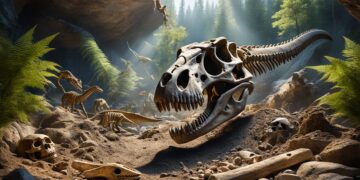
The Lascaux cave paintings give us a look at prehistoric human life. But dinosaur fossils have changed how we see the ancient past. Paleontologists have found dinosaur bones that help us understand these amazing creatures.
From the huge Tyrannosaurus rex to the gentle Brontosaurus, these fossils have sparked wonder. They inspire scientists and fans to learn more about the Earth’s history.
Amazing Discoveries in the Americas
The Americas have been full of archaeological wonders. Researchers have found evidence of advanced pre-Columbian civilizations. These discoveries include lost cities and ancient artifacts. They show us the complex societies that were here before European explorers.
The lost Inca city of Machu Picchu is a famous find. It was found in 1911 by Hiram Bingham in the Andes Mountains of Peru. This city was once the royal home of the Inca emperor Pachacuti. Its ruins show the amazing engineering and architecture of the pre-Columbian people.
Chichen Itza, an ancient Maya city in Mexico, has also amazed the world. It has pyramids, stone carvings, and observatories. These show the Maya’s deep knowledge of the universe. Archaeologists have found other lost cities like Tenochtitlan and Tikal, each showing the diversity of cultures in the Americas before Europeans arrived.
Archaeologists have also found many ancient artifacts. These include gold jewelry, pottery, and textiles. These items show the skill of pre-Columbian artisans. They also tell us about the religious, social, and cultural lives of these societies.
As archaeology grows, with new technologies like remote sensing and DNA analysis, the Americas will reveal more stories from the past. These stories will show us the complex and sophisticated civilizations that lived here before European explorers.
Underwater Archaeological Marvels
The oceans and seas are full of secrets from the past. Underwater archaeologists are uncovering these mysteries, revealing new stories of humanity’s history at sea. They’ve found ancient shipwrecks and sunken cities, bringing to light historical artifacts and insights.
Shipwrecks and Sunken Cities
Archaeologists have found many shipwrecks under the water. These range from old trading ships to warships that sank long ago. These sites give us a clear look back in time, with artifacts and human remains connecting us to past sailors.
But it’s not just shipwrecks. Underwater archaeologists have found entire cities that were once busy with trade and exploration. These cities were hidden under the sea for centuries.
Pavlopetri, an ancient Greek city, is one of the most amazing sunken cities. It’s over 5,000 years old and shows us what life was like in an old maritime center. Another example is Thonis-Heracleion, an ancient Egyptian city in the Nile Delta. Underwater archaeologists have mapped and studied it, showing us about trade and culture in the area.
These discoveries have amazed people and helped us learn more about our maritime history. They show how clever, strong, and skilled our ancestors were at sea. With new technology, we can explore deeper and find more underwater wonders.
Unearthing Ancient Writing Systems
The study of ancient writing systems is fascinating. It helps us unlock the secrets of long-lost civilizations. The Rosetta Stone was a key discovery in this field. It helped us understand ancient Egyptian hieroglyphs.
The Rosetta Stone: Unlocking Ancient Egyptian Hieroglyphs
In 1799, the Rosetta Stone was found near Rosetta, Egypt. It’s considered one of the most important archaeological finds ever. The stone, from the 2nd century BC, had texts in Egyptian hieroglyphs, Demotic script, and ancient Greek.
This mix of scripts helped scholars crack the code of ancient Egyptian hieroglyphs. For centuries, this language was a mystery. The Rosetta Stone changed that.
It let us peek into ancient Egypt’s culture and history. Scholars could now understand the complex hieroglyphics. This revealed a lot about the Egyptians’ culture, history, and beliefs.
The Rosetta Stone is a symbol of how ancient writing can change our view of history. It shows the power of archaeology in uncovering the past.

Today, researchers keep finding and deciphering ancient writing systems. These discoveries give us a glimpse into the lives of people long gone. The Rosetta Stone’s impact shows how archaeology can change our understanding of history and human achievements.
Discoveries that Challenged History
History has seen many amazing finds that changed what we thought we knew. The Dead Sea Scrolls are a prime example. They are ancient texts that changed our view of early Judaism and Christianity.
The Dead Sea Scrolls
In the mid-20th century, archaeologists found the Dead Sea Scrolls. These manuscripts are from the 3rd century BCE to the 1st century CE. They were found in caves near the Dead Sea in the West Bank.
These documents give us a peek into early Judaism and the beginnings of Christianity. They have changed our understanding of history. Scholars now see a more complex religious scene in the area back then.
The Dead Sea Scrolls are very important. They have changed our views and rewritten history. They show how religious ideas and practices evolved in the ancient Near East. As experts keep learning from these artifacts, their impact on history will keep growing.
Cutting-Edge Technologies in Archaeology
The field of archaeology has changed a lot thanks to new technologies. LiDAR (Light Detection and Ranging) and remote sensing are two big changes. They help archaeologists find and study old sites and artifacts that were hard to reach before.
LiDAR and Remote Sensing
LiDAR uses lasers to make detailed maps of the land. It shows things we can’t see with our eyes. This helps archaeologists find and study archaeological technologies and digital archaeology hidden by trees or tough terrain.
Remote sensing uses satellites and planes to look at big areas. It helps find places that might have old sites worth checking out. These new tools have changed how archaeologists work. They can now look for lost cities and important artifacts more easily.
Thanks to LiDAR and remote sensing, archaeologists can learn more about the past. They can find and protect historical secrets in ways we never thought possible.
Preserving the Past for Future Generations
The world’s amazing archaeological finds are a big deal, and we must keep them safe. We need to focus on preserving and protecting these old pieces of history. This is key to keeping our cultural heritage alive for the future.
Archaeologists, historians, and leaders around the world are working hard to save the past. They know that protecting historical sites is crucial. It’s not just about saving objects and buildings. It’s also about keeping alive the stories and history they tell. Through heritage conservation, they work to fix, strengthen, and protect these important sites for a long time.
Places like Pompeii and Machu Picchu amaze us and make us want to learn more about our history. By focusing on archaeological preservation, we can keep these treasures safe. This way, we can share our history with future generations and help them appreciate our past even more.

As we find more amazing archaeological sites, we realize how important it is to preserve them. With teamwork and new conservation methods, we can keep the past safe. This way, our cultural heritage will continue to show the strength and creativity of humanity.
The Thrill of Archaeological Exploration
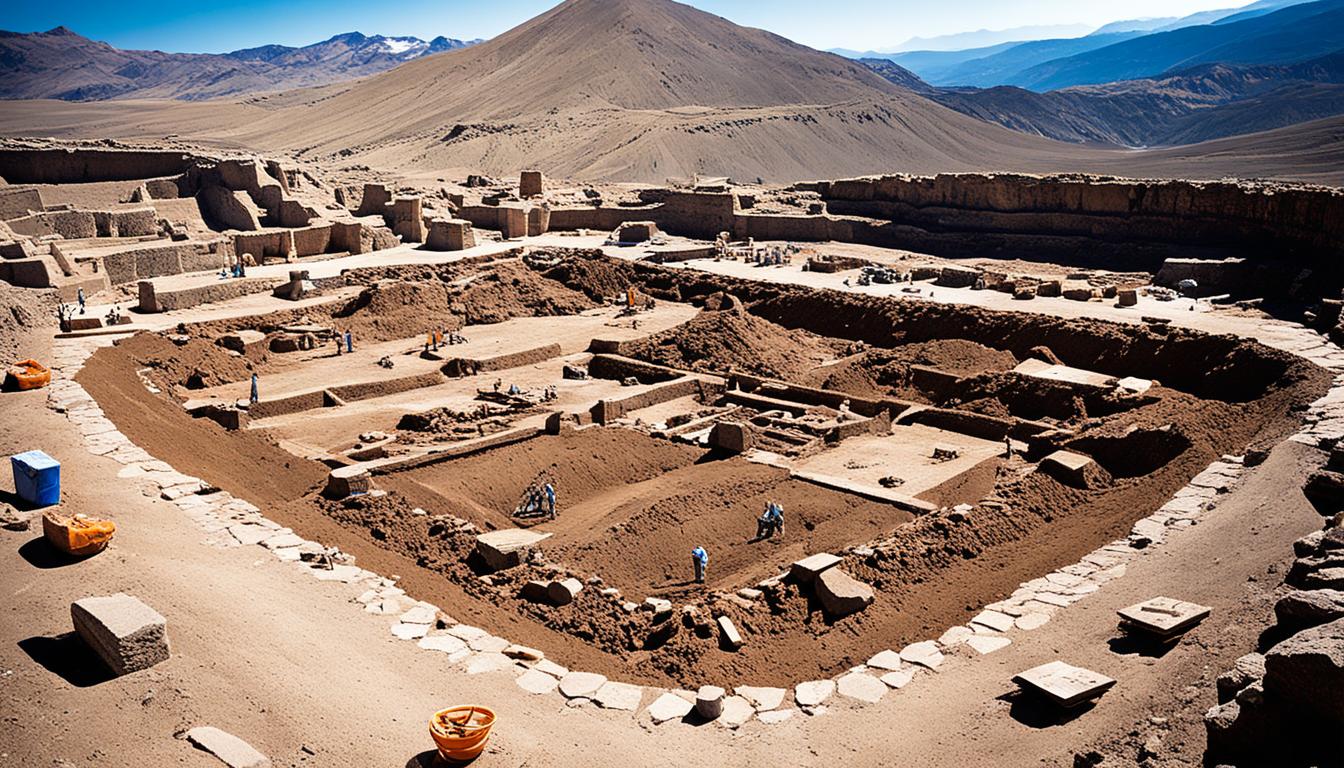
The world of archaeology is full of excitement and discovery. Researchers go on expeditions to find historic treasures and learn about lost civilizations. They feel the thrill of uncovering artifacts and discovering new things about the past.
For those who love archaeological expeditions, the mystery of the unknown is what keeps them going. They search for ancient settlements in remote areas or carefully dig up sites. Each discovery adds to our understanding of history, making us wonder and learn more about our past.
Adventurous archaeology is not easy. Researchers face tough terrain, harsh weather, and many challenges. But this adventure is what makes them passionate and keeps them exploring. They expand our knowledge and solve mysteries that have puzzled us for years.