


Step into the Arctic, where nature’s beauty is stunning. This frozen land is full of wildlife, each one special for surviving in tough conditions. You’ll find everything from polar bears on the icy tundras to migratory birds in the sky.
See the northern lights, a magical sight in the night sky. Feel the calm of the Arctic landscapes. Get ready to be amazed by the beauty and creatures of this unique place.
Meet the whales in the Arctic waters and the Arctic foxes that blend into their surroundings. Learn how these iconic animals survive the harsh Arctic. Discover the adaptations that help them and the conservation efforts to protect this special place. Come with us to explore the Arctic’s frozen beauty and the strength of life there.
Exploring the Breathtaking Arctic Landscapes
Step into the Arctic’s captivating world, where stunning landscapes amaze everyone. This cold land is full of natural wonders, like vast icy tundras and rugged frozen wilderness. Dive into the peaceful beauty of this untouched area, shaped by nature’s power.
Icy Tundras and Frozen Wilderness
The Arctic is known for its permafrost, a thick layer of frozen soil. This layer changes the landscape, creating beautiful frozen lakes, glaciers, and icy tundras. Walk through these icy areas to see snow-covered mountains and sparkling ice. It’s a world that feels both magical and amazing.
Northern Lights: A Celestial Spectacle
The northern lights, or Aurora Borealis, are a highlight of the Arctic. This beautiful light show fills the sky with colors like green, blue, pink, and purple. Seeing this light show in the Arctic sky is an unforgettable experience that touches your heart deeply.
The Arctic’s landscapes, from icy tundras to the northern lights, show nature’s power and beauty. Discover this frozen world and see the amazing things it holds. It’s a place where nature has made a world that’s truly incredible and inspiring.
Iconic Arctic Animals and Their Adaptations
The Arctic is a fascinating place filled with unique wildlife. Each species has adapted to survive in the icy conditions. From the big polar bears to the quick Arctic foxes, they have special ways to live in the frozen lands and waters.
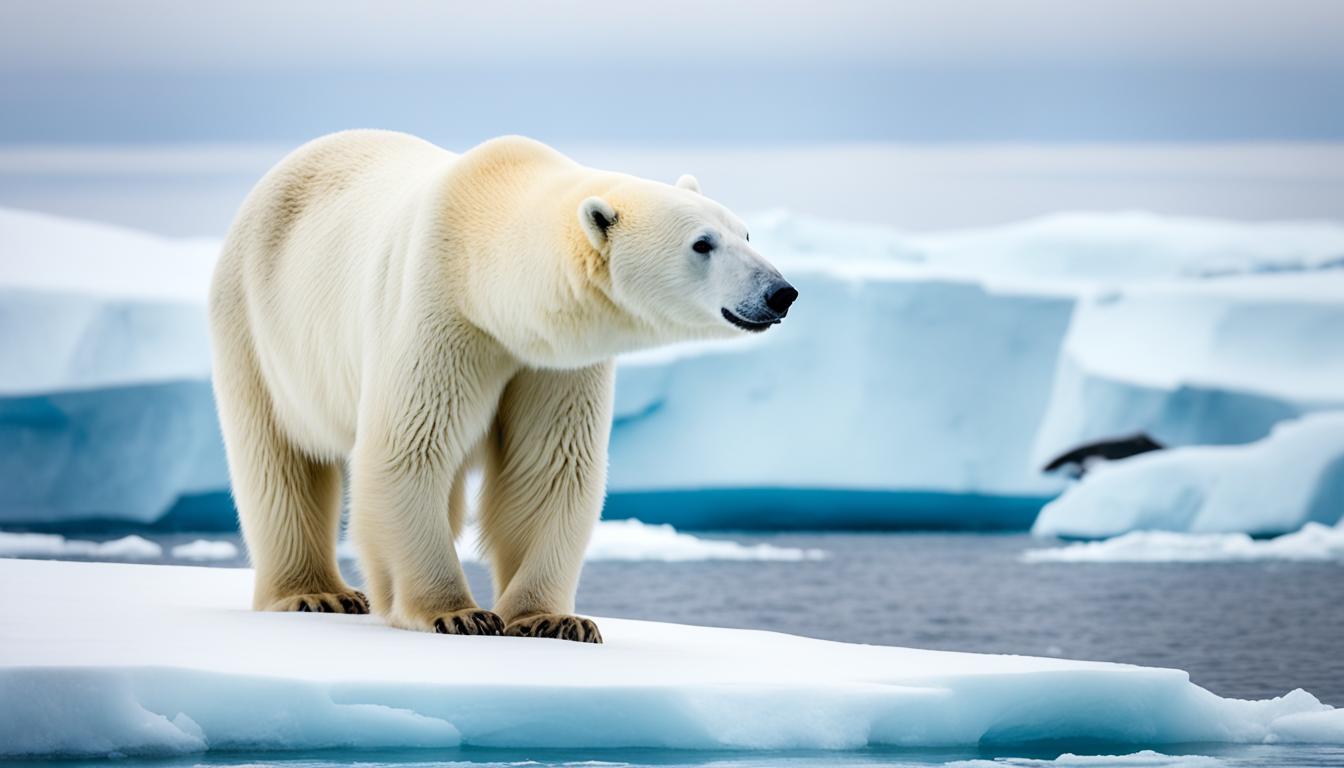
Polar bears are the kings of the Arctic. They have thick fur and strong bodies to stay warm. They are great swimmers, using their big paws to chase seals in the icy seas.
Arctic foxes are experts at hiding, changing their fur color with the seasons. They are quick and use their sharp senses to find food during the cold months.
Walruses live in the Arctic seas and have a thick layer of fat to keep warm. Their big tusks help them protect their territory and break through ice to find food like clams.
Reindeer move around the icy tundra with ease. Their wide hooves help them grip the snow and ice. They have thick fur and special stomachs to keep warm and save energy.
Arctic seals and whales live in the cold waters. They have streamlined bodies and lots of blubber to stay warm. These marine animals are skilled hunters, catching their food with their size and speed.
The animals of the Arctic have learned to adapt in amazing ways. Each one has unique traits that help them survive in this tough but beautiful place.
Polar Bears: Kings of the Arctic
The Arctic is a vast, unforgiving landscape. Yet, it’s home to one of the most iconic creatures on Earth – the polar bear. These majestic predators have thrived in this frozen wilderness for millennia.
Survival Strategies in a Harsh Environment
Polar bears are well-suited to the Arctic’s challenges. Their thick fur and large paws help them move through the icy tundra and cold waters. Their strong jaws and sharp claws make them skilled hunters, taking down seals and other Arctic animals.
However, polar bears face big challenges due to climate change. Rising Arctic temperatures and melting sea ice force them to adapt. They hunt on land when sea ice is gone and use fat reserves during hard times.

Despite these challenges, polar bears are still the Arctic’s kings. Their ability to survive in this tough environment shows their incredible adaptability. Protecting the Arctic and its wildlife means keeping the polar bear and its home safe.
Nature & Wildlife: The Essence of the Arctic
The Arctic is a natural wonder, full of life and beauty. It has icy tundras and stunning northern lights. The wildlife and nature here show how life can thrive in a tough place.
At the core of the Arctic’s world is a balance. Animals, plants, and the land work together in a delicate way. This shows how the Arctic supports many different kinds of life, each one special for its survival skills.
The Arctic nature and wildlife are not just beautiful. They are key to the region’s ecosystem. Animals like polar bears and Arctic foxes help keep the environment healthy.
Keeping the Arctic’s natural heritage safe is very important. Climate change, human actions, and other issues threaten it. We need conservation efforts to protect the ecosystems and the wildlife that make the Arctic unique.
Arctic Foxes: Masters of Camouflage
In the Arctic, the Arctic fox is a true camouflage expert. They change their fur color with the seasons. In summer, their fur is brown or gray, matching the tundra’s rocks. When winter comes, their fur turns white, helping them hide in the snow.
This camouflage is key for survival in the tundra. Arctic foxes sneak up on prey like lemmings and voles. Their white coats keep them safe from predators like polar bears and wolves.
Life in the Frozen Tundra
The Arctic tundra is tough, with cold temperatures and limited food. But Arctic foxes have adapted well. They build dens in river banks or under big rocks for shelter and to raise their young.
These dens keep them safe and warm during harsh winters. But their survival skills go beyond just hiding. They eat leftovers from bigger animals or hunt small rodents and birds. Their thick fur and special paws help them move easily in the snow.
Walruses: Giants of the Arctic Seas
In the icy waters of the Arctic, a remarkable creature lives – the walrus. These giants show the beauty of Arctic wildlife. They are known for their size, tusks, and how well they adapt to their home. Walruses symbolize the Arctic’s natural beauty.
Adult male walruses can weigh up to 1.5 tons and be over 3 meters long. Their blubber keeps them warm in the cold Arctic. Their big flippers help them move through the water easily. Their tusks, up to a meter long, are used for defense and getting onto the ice.
Walruses have more than just big bodies. They live in large groups and use sounds to talk to each other. They are important to the Arctic’s ecosystem, helping with the food chain and shaping the sea. Learning about walruses helps us appreciate their role in the Arctic.
With climate change, protecting walruses and Arctic wildlife is more important than ever. By understanding these creatures, we see how delicate the Arctic balance is. This inspires us to help preserve the Arctic for the future.
Reindeer: Nomadic Wanderers of the North
In the Arctic, a beautiful sight appears as reindeer, also called caribou, move across the frozen lands. They are true nomads of the North, showing how well they adapt. Their amazing journeys prove their strength and survival skills.
Crucial Role in Indigenous Cultures
For many years, reindeer have been key to the lives of indigenous people in the Arctic. They give food, clothes, and ways to move around. These animals are a big part of the culture of the people living in tough places.
The reindeer’s yearly moves match the lives of indigenous people. They follow the reindeer to get what they need. This has helped these cultures last, keeping a strong link to the land and its animals through generations.
Keeping the old ways of life of these communities is vital for their culture and the reindeer’s future. With climate change and human actions affecting the Arctic, finding a balance between the reindeer and people is urgent. This is a big worry for those who care about nature and making laws.
Arctic Seals: Aquatic Marvels of the North
The Arctic seas are a captivating realm, home to a diverse array of seal species. These seals have adapted remarkably to the icy waters. From the sleek Arctic fur seals to the sturdy ringed and bearded seals, they have evolved unique traits to thrive in the harsh environment.
Arctic fur seals have dense, water-repellent coats that make them expert swimmers. They glide through the waves in pursuit of fish, squid, and crustaceans. Their streamlined bodies and powerful flippers let them dive deep into the Arctic waters.
These seals are social, gathering in large colonies on remote islands to breed and raise their young. It’s a sight to behold.
On the other hand, the ringed and bearded seals live on the ever-changing sea ice. Ringed seals have spotted coats and create breathing holes and lairs in the ice. This provides shelter from the elements and a safe place for their pups.
Bearded seals are larger with bushy facial whiskers. They use their strong claws to haul themselves up onto the ice. Here, they rest and give birth to their young.
These Arctic seal species have developed remarkable adaptations. From their thick, insulating fur to their agile swimming abilities, each species has found its own way to survive and flourish in the Arctic.
Whales of the Arctic: Mighty Creatures of the Deep
The Arctic waters are a home for many whale species. Each one shows how these marine giants can live in the icy waters. From the big humpback whales to the rare beluga whales, the Arctic has a diverse whale population.
Whale Watching in the Arctic Waters
Seeing Arctic whales in their home is amazing. Arctic whale watching tours let visitors see these gentle giants up close. You can watch bowhead whales jump out of the water or beluga whales move through the ice.

Arctic whales have special features to live in the cold. They have thick blubber to stay warm and ways to find food in the icy waters. Learning about these whales helps us appreciate their strength and beauty.
Migratory Birds: Winged Visitors of the Arctic
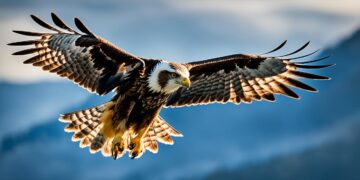
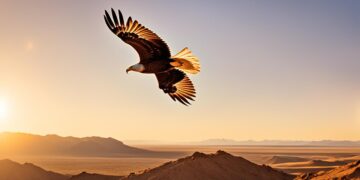
The Arctic is a key spot for many migratory bird species. These birds travel long distances to reach the Arctic’s rich food sources and long summer days. They include everything from colorful waterfowl and shorebirds to big raptors.
Many birds breed in the Arctic, like ducks, geese, swans, cranes, and various shorebirds. They come for the food and the constant daylight. This helps them with their breeding and nesting.
Raptors, such as the peregrine and gyrfalcon, also visit the Arctic in the summer. These birds of prey hunt small mammals and birds. They need the Arctic’s resources to survive and breed.
Arctic migratory birds have special traits to live in the tough Arctic. They can handle the cold and use their sharp senses to find their way. These birds are crucial to the Arctic’s ecosystem.
Conservation Efforts: Protecting the Arctic Wildlife
The Arctic is a natural wonder under threat from climate change, resource use, and human actions. But, there are efforts to protect its ecosystems and wildlife. Conservation groups, indigenous peoples, and global projects are working hard to save the Arctic for the future.
These efforts focus on sustainable practices and protecting the environment. By cutting down on carbon emissions and limiting resource use, we can lessen climate change’s harm on the Arctic. It’s important to work together to find ways to protect the Arctic’s animals, like polar bears and Arctic foxes.
We all can help in this important work. Supporting conservation groups, living sustainably, and spreading the word about the Arctic’s value can make a difference. If we work together, we can keep the Arctic’s beauty and wildlife safe for the future.