


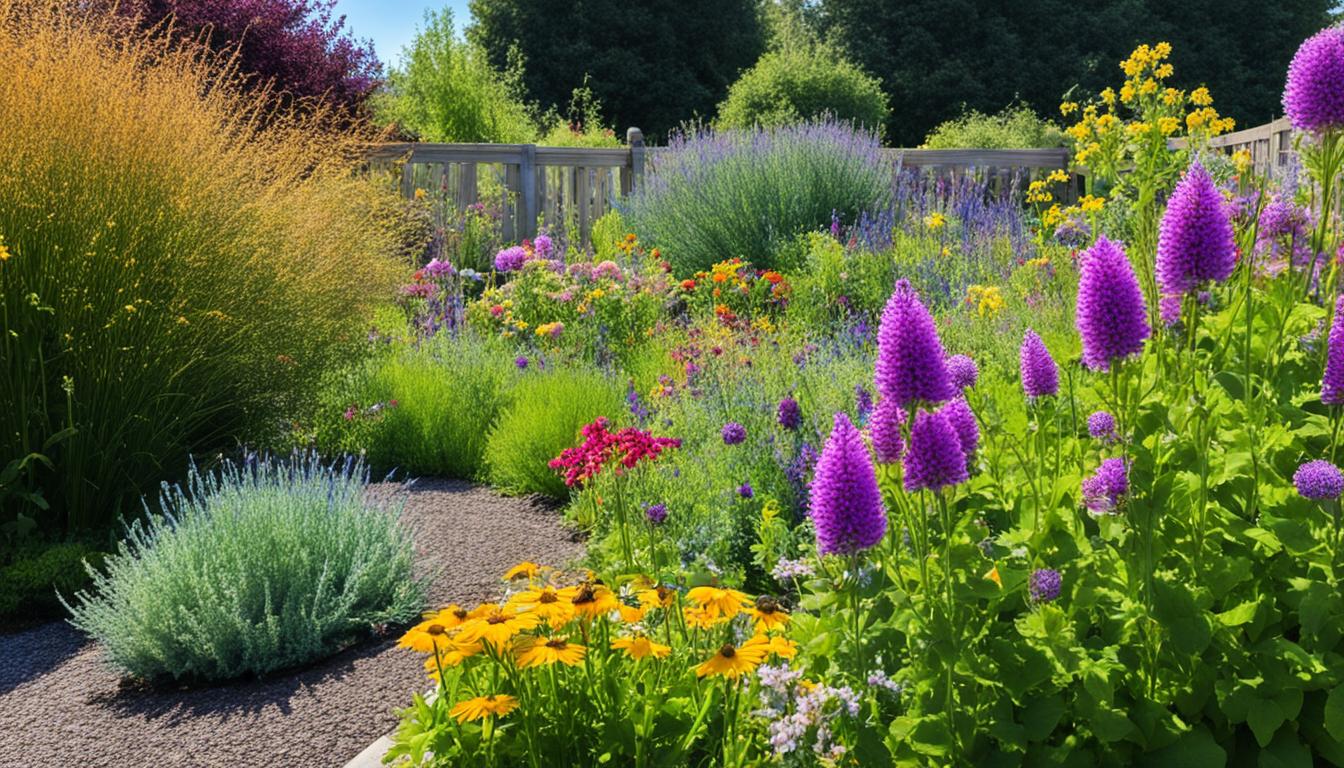
Bees are vital for a healthy garden. They help plants reproduce, keeping ecosystems and food production going. But, bee numbers are dropping fast due to habitat loss, pesticides, and climate change. By making your garden bee-friendly, you help these important insects and boost your garden’s life.
This guide will show you how to make your garden a bee paradise. You’ll learn about the best plants for bees and how to create their homes. Plus, you’ll get tips on sustainable gardening to support bee-friendly gardening, backyard biodiversity, and organic gardening practices.
With these easy steps, you can help support pollinators and fix our ecosystems’ balance. Let’s start our journey into bee-friendly gardening. Enjoy a beautiful garden and help the planet at the same time.
The Importance of Bee-Friendly Gardens
Bees are crucial for our ecosystem. They help pollinate plants, which is key for their growth and reproduction. But, bee populations are dropping fast due to habitat loss, pesticides, and climate change.
Declining Bee Populations and Their Impact
The drop in bee numbers is a big problem. Without bees, many plants can’t reproduce, which hurts our ecosystems. This also affects our food supply since bees pollinate many fruits and vegetables we eat.
The Role of Gardens in Supporting Pollinators
Gardens are now more vital than ever. By making gardens bee-friendly, we can help these pollinators. Planting native flowers and herbs helps restore important bee habitats.
Gardeners can make a big difference by understanding bees and their needs. Creating bee-friendly gardens helps our environment and ensures our food supply stays healthy.
Choosing Bee-Friendly Plants
Starting a bee-friendly garden means picking the right plants. Native wildflowers and flowering herbs are great choices. They are beautiful and give bees the nectar and pollen they need.
Native Wildflowers and Flowering Herbs
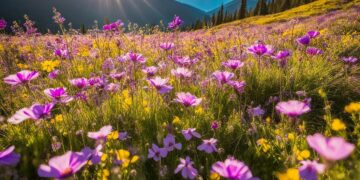
Native wildflowers like coneflowers and black-eyed Susans attract bees. They are tough, need little care, and fit well with the local climate and soil. Herbs like lavender and thyme also help bees by offering lots of nectar and pollen.
When picking plants for bees, choose a mix of different types that bloom at various times. This way, your garden will always have nectar and pollen for bees. Adding native wildflowers and herbs makes your garden a great place for bees.
Providing Water Sources for Bees
Bees need water for hydration and to keep their body temperature stable. To help them, you can use birdbaths, shallow dishes, or dripping faucets. These are key to making sure your garden has everything bees need.
Bees must have clean, fresh water to stay healthy and support their hive. Without it, they can get dehydrated and have trouble keeping cool, especially in hot weather. Adding water sources to your garden helps bees and other pollinators thrive. It also brings more wildlife to your space.

When setting up water spots for bees, choose shallow dishes or birdbaths with easy-to-reach sides. You can also make a bee watering station with a shallow container and pebbles or rocks. This setup lets bees land safely without drowning.
Another easy way is to let water drip from a faucet or hose onto a rock or wood. This creates a steady water source for bees and other garden visitors. Providing water helps the bee population and boosts your garden’s health and variety.
Creating Nesting Sites for Bees
Bees need safe places to build their nests and raise their young. Making your garden a welcoming spot for bees is key. You can do this by offering natural materials like hollow stems and bare soil. Or, you can install bee houses to meet the needs of different bee species.
Natural Nesting Materials and Structures
Solitary bees, which are most bee species, prefer natural materials and structures for their homes. Leave some bare, undisturbed soil in your garden for ground-nesting bees. Also, keep hollow stems and dried plant stalks around for cavity-nesting bees.
Bee houses, also known as bee hotels or insect hotels, are great for your garden. They look like the bees’ natural homes, giving them a safe spot to nest. Bee houses come in many designs, fitting the needs of various bee species.
Offering different nesting options will draw in many bee species to your garden. This helps the local bee population thrive and stay healthy.
Avoiding Pesticides and Chemicals
Creating a bee-friendly garden means avoiding pesticides and harmful chemicals. These can be deadly to bees and other pollinators. By choosing pesticide-free and organic gardening, you help these important creatures.
Organic Gardening Practices
To keep your garden safe from harmful chemicals, try eco-friendly pest control. Use natural methods like introducing beneficial insects, neem oil, or diatomaceous earth. These options help control pests without harming bees.
Also, add nutrient-rich compost and mulch to your garden. This helps your plants grow strong without synthetic fertilizers.
Organic gardening makes your garden a safe place for bees and other pollinators. This approach is good for their health and helps your garden stay sustainable.
Nature & Wildlife: Attracting Other Pollinators
A garden that welcomes bees can also be a home for butterflies, moths, hummingbirds, and others. By making your garden friendly to many pollinators, you help increase biodiversity. This makes your backyard a lively place.
Adding more pollinators to your garden boosts biodiversity and brings more life to your yard. Use a mix of native flowers, shrubs, and trees to feed and shelter different pollinators. Adding water sources like bird baths makes your garden even more inviting.

Creating a garden for various pollinators means you’re celebrating nature’s diversity. Hummingbirds love flowers with lots of nectar, while butterflies and moths enjoy different plants. Choosing and placing these plants right can support many pollinators all year.
Letting your garden be diverse is good for the environment and makes your outdoor space more beautiful. Enjoy the beauty of bees, butterflies, and other pollinators in your garden. They add magic with their movements and colors.
Bee-Friendly Garden Design
Creating a bee-friendly garden is key to a thriving pollinator landscape. By placing bee-attracting plants together, you make paths for these important insects. This not only makes your garden look great but also helps bees that need many types of flowers for food.
Grouping Plants for Pollinator Pathways
When making your garden bee-friendly, group plants together instead of spreading them out. This way, you make paths that bees can easily follow. They can move from one flower to another, collecting what they need to survive.
Add things like water sources and resting spots to your garden. Shallow birdbaths or bee baths give them water. Stones or logs let them rest and take breaks.
With careful planning, your garden will be beautiful and help pollinators. It will play a big part in your local ecosystem.
Maintaining Your Bee-Friendly Garden
Keeping your bee-friendly garden healthy needs regular care. Tasks like pruning, deadheading, and cleaning up in late season are key. They help your garden stay a steady food and shelter spot for bees all year.
Seasons change, so your garden care must too. In spring, clear out winter debris and get the soil ready for new plants. Cut back any plants that have grown too big to encourage lots of flowers.
In summer, watch for flowers that have bloomed and cut them off to encourage more blooms. This makes your garden look better and helps flowers bloom longer. Don’t forget to leave some seed heads for birds and other animals to eat.
When fall comes, clean up your garden by removing dead plants. This keeps your garden looking nice and makes sure your plants can sleep through winter safely. Leave some leaves or hollow stems for solitary bees and other good bugs.
By doing these tasks seasonally, your bee-friendly garden will stay a great place for pollinators all year. With a bit of care, your garden will keep helping bees and other wildlife for many seasons.
Community Involvement and Education
Creating a bee-friendly garden is more than just making your yard look nice. It’s about teaching and inspiring others to do the same. By joining local projects and sharing what you know, you help bees and show why gardens for pollinators are important.
First, link up with groups in your area like neighborhood clubs or green organizations. Offer to lead a workshop on how to make gardens bee-friendly. Share tips on picking the right plants and avoiding bad pesticides. Encourage your neighbors to help you make more spaces for bees.
Also, think about helping out with local conservation or bee projects. Working with others lets you make a bigger difference. Every little thing you do in your garden can motivate others to act too. This creates a chain reaction that helps our communities and the environment.