


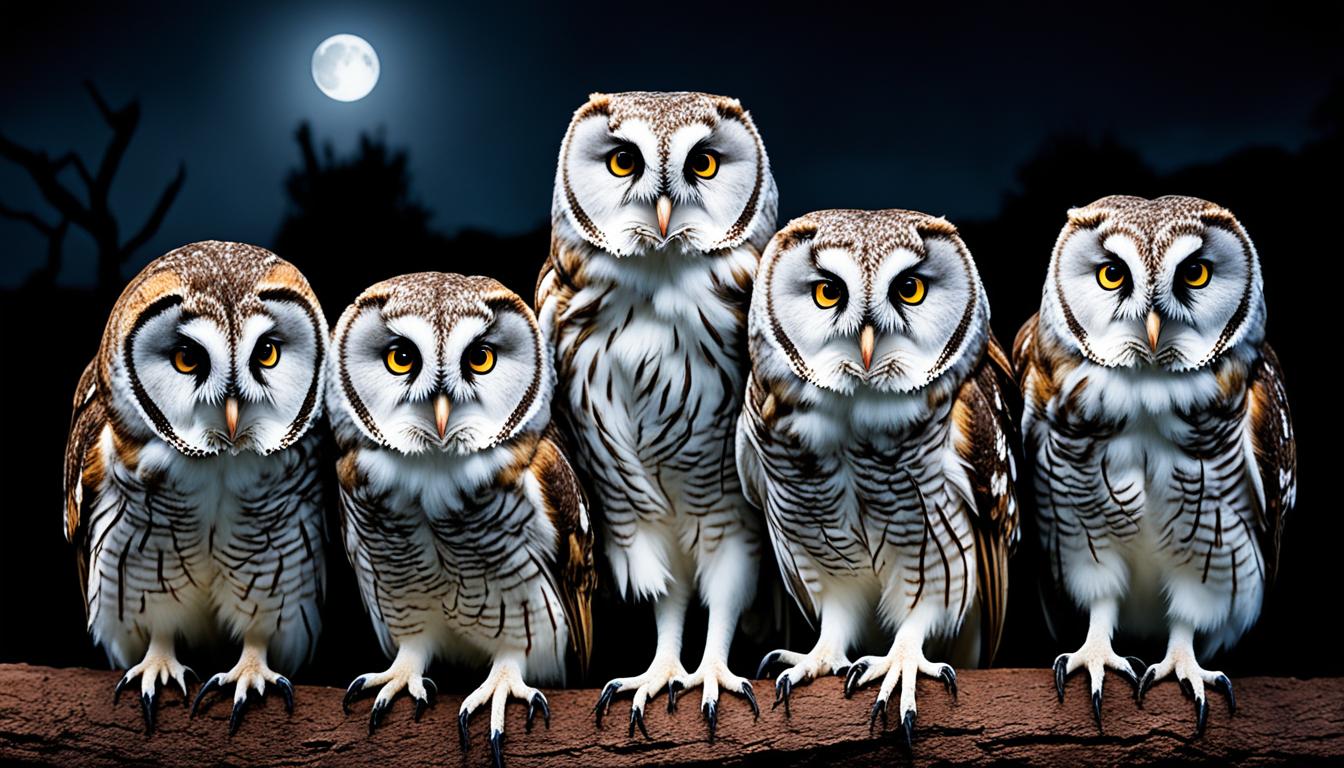
Under the cover of darkness, a world full of life exists. Nocturnal animals live in the night, showing us how to thrive in the shadows. They have special skills that help them survive in the dark.
This article will take you on a journey to learn about nocturnal animals. We’ll look at their homes, how they sense the world, and why we need to protect them. These creatures are part of nature’s nightlife.
Let’s dive into the world of nocturnal creatures and darkness-dwelling species. We’ll explore how they can live in the wildlife at night. You’ll learn about their special ways of seeing and moving in the dark. Join us to discover the amazing lives of nocturnal animals that live among us.
What are Nocturnal Animals?
Nocturnal animals are active at night and sleep during the day. They have special traits to survive in the dark. These traits include better senses and hunting skills. This lets them rule the night.
Defining the Creatures of the Night
Owls, bats, spiders, scorpions, and some deer and cats are nocturnal. They’ve changed physically and behaviorally to live at night. They have big eyes, great hearing, and can move quietly in the dark.
Evolutionary Adaptations for Nocturnal Living
Nocturnal species have evolved over time. They’ve developed traits to live in the dark. Many have better eyesight to hunt and move around at night. Some have a strong sense of smell and hearing to find food, avoid danger, and talk to others.
The evolution of nocturnal animals shows how diverse and strong life is on Earth. By learning about their traits and adaptations, we appreciate nature’s wonders. We see how living beings adapt to their surroundings.
Majestic Hunters of the Darkness
The night is home to many fascinating nocturnal predators. From silent owls to stealthy big cats, these hunters have evolved to excel in the dark. They use their sharp eyesight, hearing, and quick reflexes to catch prey. Let’s explore the amazing hunting skills of these night rulers.
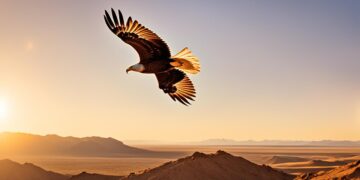
Owls are the mysterious birds of the night. They fly silently and see incredibly well in the dark. These top nocturnal hunters catch small rodents and other night animals with ease. Their sharp claws and beaks let them grab their prey quickly.
Big cats like lions, tigers, and leopards are also skilled at night hunting. They use their sharp senses to move through the dark. Their strong muscles and sharp claws help them take down their prey. Their stalking and pouncing show off their amazing hunting skills.
Owls and big cats show us the beauty of the night. They have adapted to live in the dark, using their senses and hunting skills to survive. Their abilities are a wonder of nature, inspiring us with their nocturnal power.
The Mysterious World of Nocturnal Insects
When the sun goes down, a world of nocturnal insects comes alive. They have amazing adaptations and behaviors. Moths fly beautifully, and some beetles glow in the dark. These tiny creatures are key to the night’s ecosystem in Nature & Wildlife.
Moth Marvels and Beetle Brilliance
Moths are fascinating nocturnal bugs. They have big, feathery antennae that help them find food and mates. Some moths also have scales that shine, making them hard to spot for predators.
Beetles are also amazing at night. Fireflies glow to find friends or scare off enemies. Others use their sense of smell and touch to hunt in the dark.

Nocturnal insects are crucial at night. They pollinate plants, break down organic matter, and feed other night creatures. Their special traits and actions show us the secret lives of Nature & Wildlife’s night dwellers.
Nature & Wildlife: Discovering Nocturnal Habitats
Nocturnal animals live in many places, from dense forests to vast deserts. They have adapted to live in the dark, showing us the hidden world of night. This gives us a peek into the world of nocturnal ecosystems.
In dense forests, owls, bats, and many others find shelter. These places are perfect for hunting and moving around at night. Exploring these areas is magical, with sounds of leaves and glowing eyes creating a mystical feel.
Deserts are also home to many nocturnal animals, like kangaroo rats and coyotes. These animals have special ways to survive in the desert’s harsh conditions. They stay active at night to avoid the day’s heat, making the night a time of life in the desert.
In our own neighborhoods, we can find nocturnal animals too. Creatures like raccoons and possums live in cities and suburbs. They remind us that nature is close, even in our busy lives. By exploring at night, we can see the amazing variety of life around us, often hidden from sight.
Survival Strategies: Nocturnal Animal Behavior
In the world of nature, nocturnal animals have learned many survival strategies to do well at night. They use stealthy hunting, smart foraging, and clever ways to avoid predators. These skills help them survive in the dark.
Hunting, Foraging, and Evading Predators
Nocturnal animals are amazing. Predators like owls and foxes move quietly to catch their prey by surprise at night. They use their sharp senses to find and track their food in the dark.
At the same time, nocturnal herbivores and omnivores have found ways to forage for food at night. They look for food that’s easier to find when it’s dark.
Prey animals have their own ways to avoid predators at night. Some, like deer and rabbits, use their sharp hearing and senses to hear predators coming. Others stay hidden and move quietly to not be seen. This cat-and-mouse game in the dark shows how well these animals have adapted to life at night.
Learning about how animals survive at night helps us appreciate their strength and creativity. From the sneaky hunting of predators to the smart ways prey animals find food and avoid danger, the night is full of amazing adaptations.
Sensory Superpowers: Sight, Sound, and Smell
Nocturnal animals have amazing senses to move through the night. They have great eyesight, hearing, and smell. These tools help them live in the dark. Let’s explore how they see, hear, and smell their world.
Nocturnal Vision: Seeing in the Darkness
Nocturnal animals have eyes that help them see in the dark. They have big pupils, lots of retinal cells, and can gather more light. This lets them see even the smallest movements and shadows.
With this vision, they can move around, find food, and avoid dangers. It’s how they survive at night.

Acute Nocturnal Hearing
Many nocturnal animals also have super hearing. Their ears can catch the quietest sounds, like leaves rustling or prey moving. This helps them find and track their food or stay safe.
Keen Nocturnal Smell
Nocturnal animals have a strong sense of smell too. They can smell very faint scents and chemical signals. This is key for hunting, talking to others, and staying safe at night.
These animals use their special senses to move, hunt, and live in the dark. Their adaptations show how they’ve evolved to succeed at night.
Endangered Nocturnal Species and Conservation Efforts
Many nocturnal species face a tough future in the night. Threats like habitat loss and light pollution put them at risk. But, there are efforts to save these creatures and their homes.
The black-footed ferret, slow loris, and pangolin are fighting for survival. Their numbers are down due to habitat loss and poaching. These threats leave them fighting to stay alive.
Conservation groups and wildlife agencies are stepping up to help. They’re working on restoring habitats, stopping poaching, and educating the public. These efforts aim to protect these species and their nighttime homes.
Nocturnal species are key to a healthy planet. Protecting them helps keep our ecosystems balanced. With research, conservation, and public support, we can save these amazing creatures and their worlds.
The Benefits of Darkness: Human Connections to Nocturnality
In today’s world, many of us have lost touch with the natural night and day cycle. Yet, the darkness offers many benefits, connecting us to the night in meaningful ways.
One big plus of embracing the night is better sleep and mental health. Artificial light at night messes with our body clocks, leading to poor sleep and health problems. Darkness helps us sleep better, which is key for feeling good overall.
Being close to the night also helps us understand and value nature more. Nocturnal animals live in the dark and teach us about its importance. This connection makes us want to protect their homes.
Urban light pollution is making the night sky fade away. This makes it hard for us to see the beauty of darkness. By using lights wisely, we can bring back the night’s magic for humans and night creatures alike.
By valuing darkness, we boost our health and connect deeper with nature and its creatures. Taking back the night means preserving our heritage and securing a bright future for everyone.
Fascinating Nocturnal Animal Myths and Folklore
Nocturnal animals have always caught our attention, leading to many myths and beliefs worldwide. From ancient times, creatures like owls and bats have been seen as mysterious. They are both admired and feared for their night-time ways.
Owls are often linked to wisdom, knowledge, and prophecy. The Ancient Greeks linked them to Athena, their goddess of wisdom. In Native American stories, owls connect us to the spirit world. Yet, some believe owls warn of doom, with their calls signaling bad luck or death.
Bats have also been shrouded in myths and superstitions. In Europe, they were thought to be evil spirits or witches’ familiars. The link to vampires, thanks to “Dracula,” has made bats even more intriguing.