






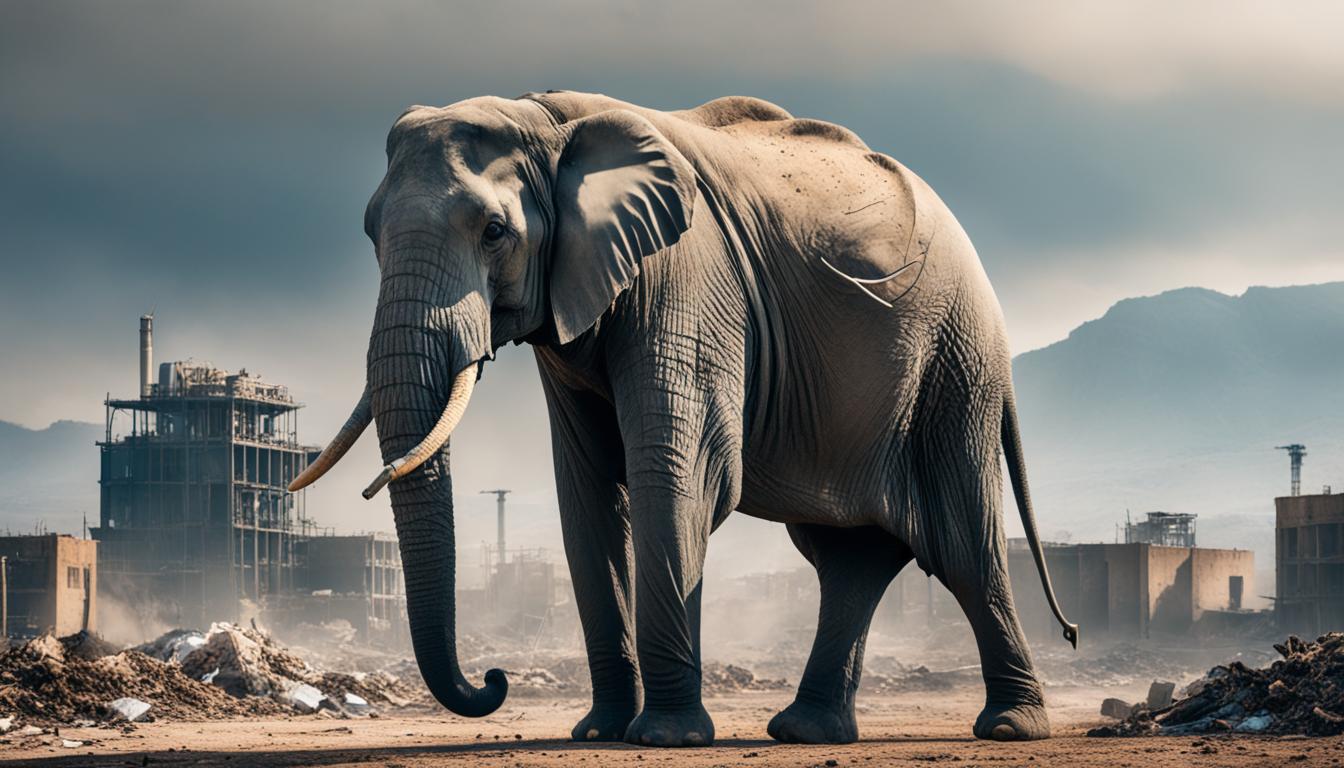
The Earth’s biodiversity is in danger, with many species at risk of extinction. It’s our duty to act and protect endangered species. This guide will look into the crisis of declining wildlife, the causes, effects, and ways to save our planet’s ecosystems.
Endangered species are at high risk of going extinct soon. Habitat loss, poaching, climate change, and human-wildlife conflict are the main reasons for their decline. When these species disappear, it harms the rich life on Earth and affects our well-being too.
There are efforts to save endangered species and their homes. Governments, conservation groups, and individuals are working hard. They’re making policies, laws, and local projects to help our planet’s most vulnerable creatures. These efforts aim to protect habitats, stop poaching, and support living with nature.
We all can help in this global effort. By supporting conservation, reducing our impact on the environment, and living eco-friendly, we help endangered species and their homes. Together, we can make sure future generations have a world full of diverse and thriving wildlife.
Understanding the Crisis of Endangered Species
The crisis of endangered species is a big worry for the world. Things like habitat destruction, climate change, and bad human actions are causing many species to decline. As their homes get destroyed, many animals are fighting to stay alive and might soon go extinct.
Causes of Species Decline
Deforestation, making cities bigger, and growing crops have destroyed many homes for endangered animals. Climate change, with its rising temperatures and changing weather, makes things harder for them. Also, overhunting, overfishing, and illegal wildlife trade have greatly harmed many animals and plants.
Consequences of Losing Biodiversity
When endangered species disappear, it can cause big problems for nature. It can start a chain reaction that breaks down entire ecosystems. This puts the lives and health of people who depend on these ecosystems at risk.
Also, losing biodiversity makes our planet less able to handle climate change and other environmental issues. Saving endangered species and their homes is key to keeping our planet healthy for all life.
Government Efforts and Policies
Protecting endangered species is a global issue that needs strong government action. In the U.S., the Endangered Species Act (ESA) has been key since 1973. It helps identify, protect, and recover species at risk of extinction.
Endangered Species Act and Other Regulations
The Endangered Species Act lets the government list species as “endangered” or “threatened.” Once listed, harming the species or its habitat is banned. This includes stopping activities like development and hunting. The Act also requires recovery plans for endangered species.
Other laws like the National Environmental Policy Act (NEPA) help too. They make sure federal actions don’t harm endangered species. The Clean Water Act and the Clean Air Act also protect their habitats.
Even with the Endangered Species Act and other efforts, more work is needed. Challenges include not enough money, political disagreements, and the complexity of solving many threats.

The climate crisis and habitat loss are big threats. The government must strengthen its wildlife policies and actions. Working with scientists, conservation groups, and local communities is key to saving endangered species and their homes.
Nature & Wildlife: Preserving Habitats
Protecting endangered species means focusing on their natural habitats. Habitat conservation is key for their survival and recovery. By keeping their ecosystems safe, we help these species thrive and prevent more loss of biodiversity.
Setting up protected areas like national parks and wildlife sanctuaries is a main strategy. These places offer a safe space for endangered species. They protect them from humans and help their numbers grow. National parks are key in saving species like the African elephant, Sumatran tiger, and mountain gorilla.
Preserving ecosystems is also vital for habitat conservation. It keeps the balance right for all the plants and animals living there. We manage things like water, soil, and plants. We also reduce the effects of human actions like building cities, farming, and mining.
Wildlife sanctuaries focus on saving certain species or groups. They give endangered animals a safe place to live and thrive. For example, the Galápagos Islands protect marine iguanas, and the Bwindi Impenetrable Forest saves mountain gorillas. These efforts are crucial for some of the world’s most endangered animals.
By focusing on saving habitats, preserving ecosystems, and creating wildlife sanctuaries, we can help endangered species and our planet. These actions not only help the threatened animals but also the ecosystems they live in. This ensures our planet’s natural resources stay healthy and strong for the future.
Conservation Strategies for Endangered Species
Protecting endangered species needs a wide range of strategies. In-situ and ex-situ conservation are key methods. They help keep these vulnerable populations safe.
In-Situ Conservation
In-situ conservation protects endangered species in their natural homes. It includes fixing up habitats, managing them, and keeping them safe. This helps keep the balance in nature and lets endangered species live well.
This method also helps keep the species’ genetic diversity. It’s important for their survival over time.
Ex-Situ Conservation
Ex-situ conservation moves endangered species to safe places outside their natural homes. These places are like zoos or special breeding centers. The goal is to breed more animals for research, teaching, and to put back into the wild.
Captive breeding is a big part of this. It breeds endangered species in safe places. This keeps their genetic diversity and health up. When there are enough animals, they can be put back into the wild.
Both in-situ and ex-situ conservation are crucial for protecting endangered species. Using both methods together can greatly help endangered species recover and survive long-term.
Citizen Involvement and Activism
Protecting endangered species is not just up to governments and groups. Citizens and grassroots efforts are key in saving biodiversity. By volunteering, advocating, and supporting local conservation, people can make a big difference.
Volunteering for the environment is a great way to help. People can plant trees, clean beaches, and more. This helps protect wildlife and their homes. It also connects people with nature and encourages others to help.
Advocating for wildlife is another strong way to make a difference. This means writing to officials, going to meetings, or joining protests. Groups and organizations let people share their views and push for change.

Citizens and groups have played a big part in conservation wins. They helped save the bald eagle and the mountain gorillas. Their efforts show how important volunteering and advocating are.
Joining conservation efforts can really change things. Whether it’s volunteering, speaking out, or just spreading the word, every bit helps. Together, we can protect our planet’s endangered species.
Sustainable Practices and Eco-Friendly Living
We all have a key role in protecting endangered species and keeping our planet healthy. By living sustainably and choosing eco-friendly options, we can lessen our impact on the environment. This helps protect the natural world.
Reducing Carbon Footprint
Reducing our carbon footprint is key to helping endangered species. We can do this by using less energy and choosing renewable energy. Using public transport, biking, or carpooling can also help.
Supporting sustainable businesses and making smart choices when we shop can also make a big difference. Choosing organic and fair-trade products reduces demand for harmful practices. This helps protect endangered species and their homes.
By adopting these eco-friendly habits, we can help create a better future. Together, we can make a big impact in protecting our planet’s diverse life.
Success Stories and Inspiring Examples
There are amazing success stories in endangered species conservation that give us hope. These stories show how hard work, good policies, and community help can bring back threatened wildlife and fix damaged habitats.
The bald eagle’s story is a great example. It was once very close to disappearing in the U.S. But thanks to the Endangered Species Act and teamwork, the bald eagle is now doing well. It’s no longer endangered and is seen as a symbol of hope.
The gray wolf’s story is also inspiring. It was almost wiped out, but then it was brought back to Yellowstone National Park in the 1990s. Now, the gray wolf population is strong again. This has helped the whole ecosystem, making it healthier and more diverse.
These stories show us that with the right actions, strong support, and teamwork, we can save endangered species. They remind us of the big difference we can make together in protecting endangered species.
Endangered Species Hotspots Around the World
The Earth’s biodiversity is not evenly spread out. Some areas are more at risk due to endangered species. These places, called biodiversity hotspots, have many unique species found nowhere else. It’s crucial to protect these areas for the planet.
Critically Endangered Species to Watch Out For
Some regions have critically endangered species that need urgent help. In the Amazon, the jaguar and giant otter are threatened by habitat loss and poaching. The saola, a rare bovine, is fighting for survival in Southeast Asia’s Annamite Range.
The vaquita, the smallest porpoise, is close to extinction in the Gulf of California because of illegal fishing nets. Other hotspots like the Western Ghats in India, Madagascar’s islands, and Central Africa’s forests also face rapid species decline. Saving these endangered animals and plants is key for global conservation.
To protect endangered species hotspots, we need a plan that includes saving habitats, stopping poaching, and working together worldwide. Focusing on these areas helps us save the planet’s most threatened species and keep our ecosystems balanced.
The Role of Technology in Conservation Efforts
Technology has changed how we protect endangered species. Now, we use tools like satellite imagery, GPS tracking, and data analytics. These tools help us monitor, intervene, and make decisions based on data to protect threatened species and their homes.
Tools like camera traps and drones give us real-time info on species populations and where they move. This info helps experts find and protect important areas. Also, new tech like genetic analysis and acoustic monitoring gives us deep insights into endangered animals’ health and behavior.
Data analytics has changed conservation big time. By analyzing lots of data, researchers spot patterns and predict trends. This helps them make better decisions for saving species. It lets conservation groups focus their efforts and see how well their actions work.