





Keeping a balanced diet is key to a healthy life. It brings many benefits that go beyond just staying healthy. We’ll look into how a balanced diet affects your wellness, energy, and mental focus.
A balanced diet is more than a quick fix. It’s a journey to better health and energy. By knowing what nutrients our bodies need, we can make smart food choices. This helps us feel great, inside and out.
Want more energy, better thinking skills, or just feel better overall? A balanced diet can change your life. Let’s explore how this approach to eating and living can improve your health and happiness.
What is a Balanced Diet?
Keeping a balanced diet is key for good health and feeling great. A balanced diet gives the right amount of nutrients. This includes macronutrients and micronutrients needed for the body’s functions. Knowing what makes up a balanced diet helps people make better food choices. This supports their health and wellness over time.
Understanding the Essential Macronutrients
Macronutrients are the main parts of a balanced diet. They are made up of carbohydrates, proteins, and fats. Carbs give energy, proteins help fix tissues and grow muscles. Fats are important for making hormones, absorbing nutrients, and keeping the body warm. It’s important to get the right amount of these nutrients for good health and doing well.
The Role of Micronutrients in Overall Health
Along with macronutrients, a balanced diet also needs micronutrients like vitamins and minerals. These are key for a strong immune system, healthy bones, and metabolism. Eating a variety of fruits, veggies, whole grains, and lean proteins helps meet your body’s needs for these important nutrients.
The Benefits of a Balanced Diet
Choosing a balanced diet brings many benefits that go beyond just physical health. It gives you more energy and makes your mind clearer. This can help you be more productive and feel better overall.
Improved Energy Levels and Mental Clarity
Eating foods full of complex carbs, lean proteins, and healthy fats keeps your energy up all day. These nutrients feed your cells, making you feel more energetic. You’ll be ready to take on tasks with more energy and focus.
Also, a balanced diet helps your brain work its best. It makes you think clearer and faster, and helps you make better decisions. Foods full of vitamins, minerals, and antioxidants feed your brain. This supports your brain health, memory, and focus.
Whether you’re working hard, staying active, or just want to feel better, a balanced diet helps. Eating a variety of foods rich in nutrients gives you the energy and clear mind you need. This helps you do well in every part of your life.
Health & Wellness Tips for a Balanced Diet
Keeping a balanced diet is key for your health and wellness. Here are some easy tips to add a balanced diet to your daily life:
1. Start your day right. Begin with a nutritious breakfast that has protein, complex carbs, and healthy fats. This keeps you energized and satisfied all morning.
2. Hydrate regularly. Drinking enough water is vital for your health. Try to drink at least eight glasses of water a day. Choose water over sugary drinks when you can.
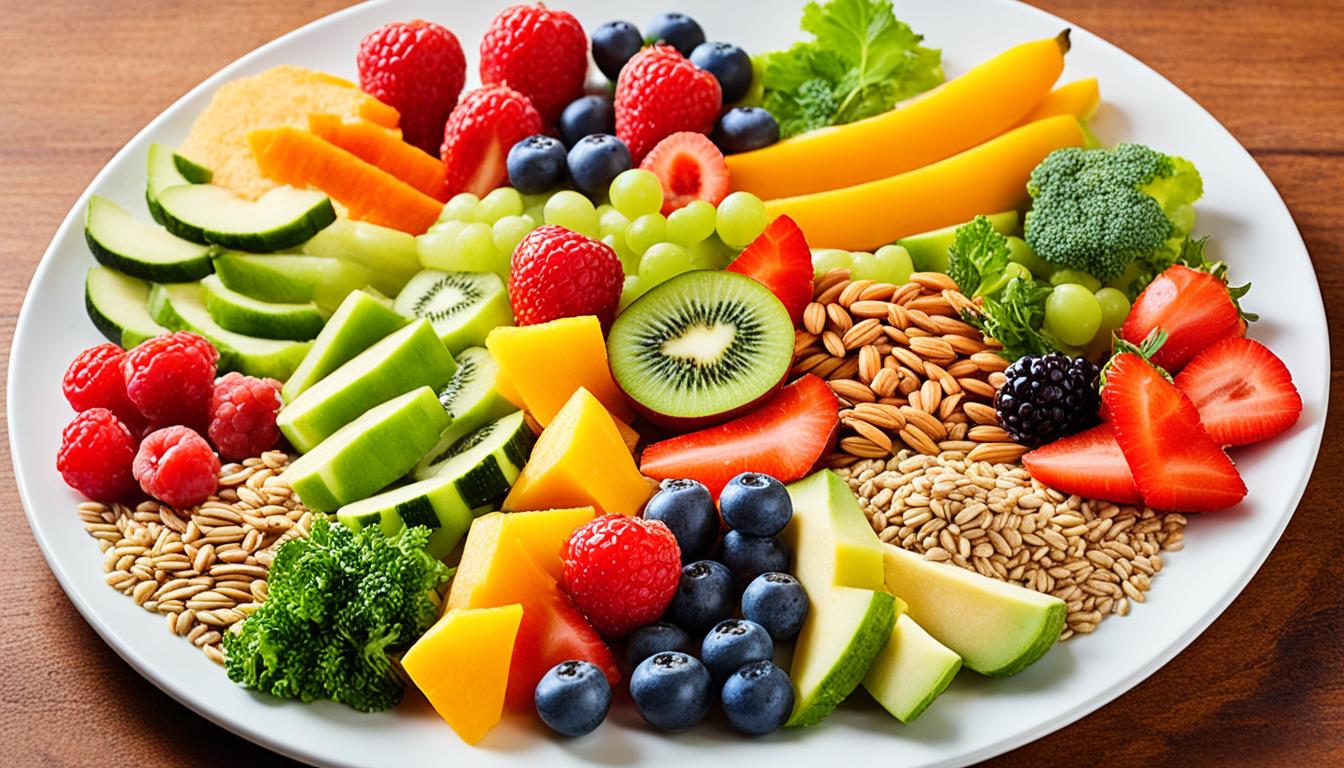
3. Incorporate a variety of foods. Eating different fruits, veggies, whole grains, lean proteins, and healthy fats gives you lots of nutrients and vitamins.
4. Practice portion control. Listen to your body’s hunger and fullness signals. Don’t overeat. Use smaller plates and keep a food journal to help you stay aware of your eating.
5. Plan ahead. Meal planning and prepping can lead to healthier eating all week. Spend some time on the weekends planning and preparing meals for the week.
By following these health and wellness tips, you’re on your way to a more balanced diet and better health.
Incorporating a Variety of Foods
Getting a balanced diet is not just about the right nutrients. It’s also about eating a wide variety of foods every day. This keeps your meals interesting and makes sure you get all the nutrients you need for good health.
The Importance of Fruits and Vegetables
Fruits and vegetables are key to a balanced diet. They’re full of vitamins, minerals, and antioxidants. These help boost your immune system, aid digestion, and lower the risk of chronic diseases. Eating a mix of fruits and vegetables helps you get the nutrients your body needs.
There are so many options, from leafy greens to juicy citrus fruits. Try different types and find new favorites. The more colors on your plate, the more nutrients you’re getting.
Balancing Macronutrients in Your Meals
Eating a balanced diet is more than just eating different foods. It’s about getting the right mix of carbohydrates, proteins, and fats. Learning how to balance these in your meals helps you get the most out of your diet and keeps you healthy.
Carbs give you energy for your body and mind. Proteins help build muscles, tissues, and organs. Fats are important for making hormones, absorbing nutrients, and keeping your body running smoothly. Getting the right mix of these can keep your energy steady, help muscles heal, and support your health.
To get the right balance, aim for 45-65% carbs, 10-35% proteins, and 20-35% fats in your meals. But, these numbers can change based on your needs, how active you are, and your health goals. A nutritionist or healthcare professional can help figure out what’s best for you.
When planning meals, choose foods that are packed with nutrients. Go for whole grains, legumes, and veggies for carbs. Pick lean meats, fish, and plant-based proteins. Use healthy fats from avocados, nuts, seeds, and olive oil. This mix helps make meals that fuel your body and support a healthy diet.
The Role of Portion Control
A balanced diet is not just about what you eat, but also how much you eat. Portion control is key to a healthy life. By watching your portion sizes, you make sure you get the right nutrients without eating too much.
Mindful Eating and Listening to Your Body
Mindful eating means eating slowly and paying attention to your body’s hunger and fullness signals. It helps you understand your body’s needs and avoid eating too much. By listening to your body, you can tell when you’re really hungry and when you’re full.
Adding mindful eating to your daily life changes how you eat. It stops you from eating without thinking or eating too much, which can lead to weight gain and health problems. Instead, you’ll enjoy your food more and make choices that are good for your body.
Remember, eating well is not just about what you eat. It’s also about how you eat. With portion control and mindful eating, you can have a better relationship with food. This leads to a balanced diet that supports your health and well-being.

Hydration: The Forgotten Key to Balance
Many of us forget how important staying hydrated is for our health. But, drinking enough water is key to keeping our bodies in balance. Water helps with many body functions, like keeping our temperature right, helping with digestion, and making sure we absorb nutrients well.
Drinking enough water keeps our bodies working right, which is important for a healthy diet. Not drinking enough water can make us feel tired, give us headaches, and even make it harder to think clearly. So, drinking water all day helps us stay hydrated and supports our health.
Experts say we should drink at least eight 8-ounce glasses of water each day. But, our needs can change based on how active we are, the weather, and our health. Eating foods with a lot of water, like fruits and veggies, also helps us stay hydrated and eat well.
Being hydrated is more than just drinking water. It’s about keeping our bodies in balance. By focusing on drinking enough water and watching our hydration, we can help keep our diets balanced and stay healthy.
Overcoming Barriers to a Balanced Diet
Keeping a balanced diet can be tough, especially for those with busy lives. Work and family duties often leave little time for healthy eating. But, with smart planning and strategies, you can beat these challenges and eat better.
Strategies for Busy Lifestyles
Time is often the main hurdle to eating well. With work, errands, and other tasks, quick, less healthy foods can seem like the only option. To fight this, try setting aside time on weekends or free days for meal prep. Cooking healthy meals in advance makes sticking to a balanced diet easier during the week. Also, think about getting a slow cooker or Instant Pot to make meal prep simpler on busy days.
Many think healthy foods are too expensive. But, with some creativity and planning, you can eat well without spending a lot. Watch for sales on fruits, veggies, and lean proteins, and buy in bulk when you can. Frozen or canned produce is also a budget-friendly choice to keep your diet varied.
Planning and organization are key. Spend a few minutes each week planning your meals and making a shopping list. This keeps you on track and helps avoid impulse buys that could mess up your diet plans.
With these strategies, you can beat the usual diet barriers and choose healthier options, even with a packed schedule. Remember, small, steady changes can lead to big health benefits over time.
The Impact of a Balanced Diet on Overall Well-being
Keeping a balanced diet is key to our health and happiness. It helps our bodies get the right nutrients for overall well-being. This means eating foods that make us feel good inside and out.
A balanced diet includes the right mix of big and small nutrients. This mix is good for our bodies and minds. Eating foods full of nutrients helps us work and think better.

Eating whole foods makes us feel energetic, happy, and sharp. Foods with carbs, proteins, and healthy fats keep us going all day. This helps us do our best at work and in life.
Small nutrients like vitamins and minerals are important too. They keep our immune system strong, hormones balanced, and our brain working right. This means we think clearer, feel less stressed, and are happier.
Choosing a balanced diet means taking care of our whole self. It keeps our body, mind, and heart in balance. This way, we can enjoy life more and do well in everything we do.
Finding Balance: A Lifelong Journey
Embracing a balanced diet is a journey, not just a quick fix. It’s about exploring, discovering, and adapting as our needs change. Healthy habits become part of our daily life.
A balanced diet means more than just eating right. It’s about having the right mindset. It’s a journey of learning and adjusting, not a destination. With patience and a willingness to try new things, we can live a life that feeds our body, mind, and soul.
Sustainability is key in a balanced diet. It’s not about cutting out foods we love, but finding joy in eating well. By trying new foods and recipes, we can make healthy eating a lifelong joy.
A balanced diet changes with us as we go through life. It lets us adapt to new situations easily. Whether we’re busy, have a big family, or have health concerns, it helps us stay well.
Finding balance is personal. It means listening to our bodies and enjoying our food. By being curious, kind, and open to learning, we can make the most of a balanced diet.
Conclusion: Embracing the Power of a Balanced Diet
As we end our journey, it’s clear that a balanced diet is key to a healthy life. It gives us the energy, mental clarity, and overall well-being we need. By eating the right mix of foods, we take a big step towards a better life.
This article’s main points are easy yet powerful: Eat a variety of nutrient-rich foods, watch your portion sizes, drink plenty of water, and eat mindfully. These habits can change how we see food and help us live our best lives.
Starting a balanced diet is a journey, not just an event. It’s about caring for ourselves every day. By adjusting our habits, trying new recipes, and listening to our bodies, we find what’s best for us. A balanced diet not only feeds our bodies but also our minds, leading to a happier, healthier future.