





Antioxidants are key to keeping us healthy and feeling good. They protect our bodies from harmful free radicals. These free radicals can lead to many diseases and make us age faster. By learning about antioxidants, we can live better, stay healthy, and look younger.
This guide will take you on a journey into the world of antioxidants. We’ll cover their special features, the various types, and how they help us stay healthy and live longer. Antioxidants can fight chronic diseases and keep our skin looking great. They’re changing how we see health and aging.
What are Antioxidants?
Antioxidants are special molecules that help keep us healthy. They fight off harmful free radicals to protect our cells and DNA. But what are antioxidants, and why are they key to our health?
Understanding Antioxidants and Their Importance
Antioxidants stop or slow down the oxidation of other molecules in our bodies. They shield us from oxidative stress, which can cause chronic diseases and aging. By fighting free radicals, antioxidants protect our cells and help keep us healthy.
The Different Types of Antioxidants
There are many types of antioxidants, each with its own role. They include vitamins like C and E, minerals such as selenium and zinc, and phytochemicals from plants. These antioxidants work together to fight oxidative stress.
Our diets provide essential antioxidants, and we can also get them from fruits, vegetables, and plants. Knowing about antioxidants helps us make choices that support our health.
Health & Wellness Tips: Harnessing the Power of Antioxidants
Adding more antioxidants to your daily life can change your health for the better. With a few simple changes in your diet and lifestyle, you can use antioxidants to your advantage. Here are some easy tips to start with.
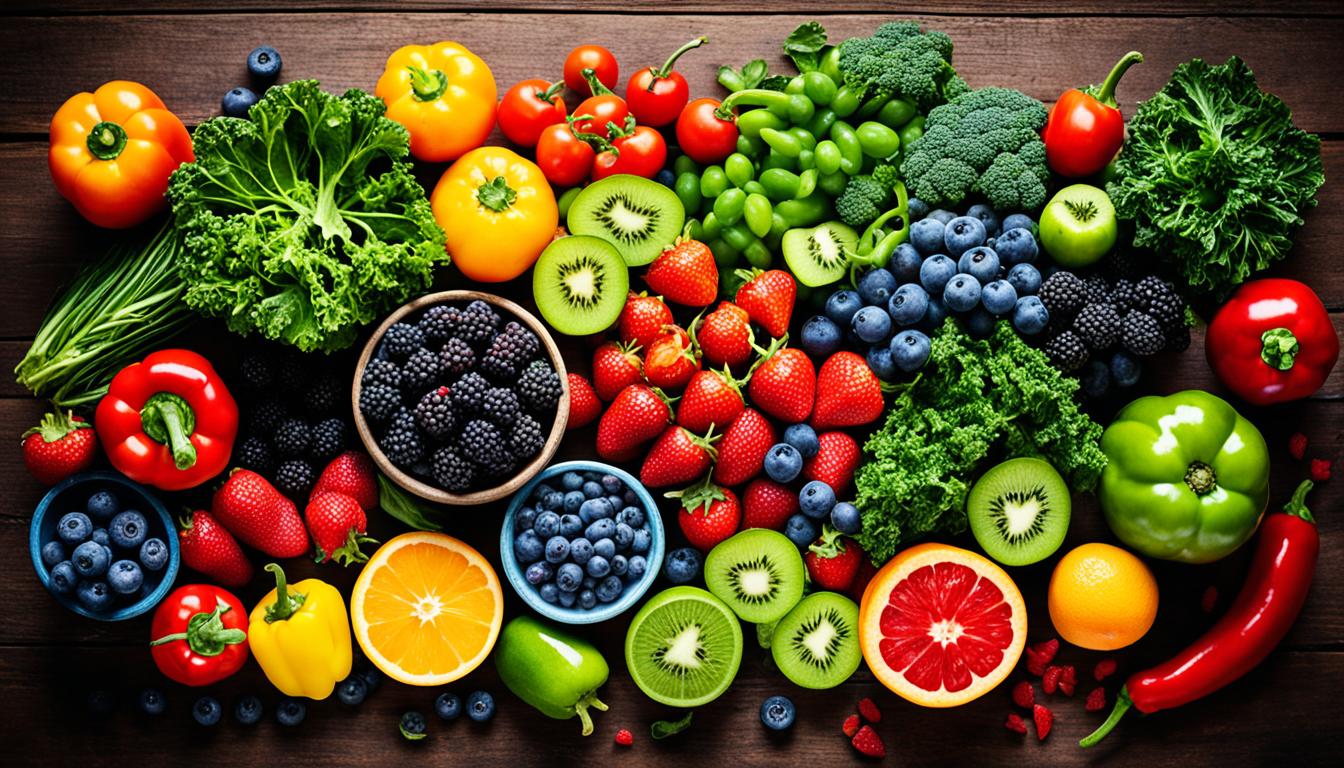
One easy way to get more antioxidants is by eating an antioxidant-rich diet. Eat lots of fruits and veggies full of antioxidants like berries, leafy greens, and citrus fruits. These foods are tasty and full of vitamins, minerals, and antioxidants that protect your cells.
Adding antioxidant supplements to your daily routine can also help. Supplements like vitamin C, vitamin E, and coenzyme Q10 give you an antioxidant boost. But, talk to your doctor before starting any new supplements.
Being an antioxidant lifestyle isn’t just about what you eat and take. Exercise, managing stress, and sleeping well also support your body’s antioxidants. These choices help keep your antioxidant levels high and your health in check.
Small changes can have a big impact on using antioxidants. Start with one or two of these tips and see how your energy, immune system, and health get better.
Antioxidants and Disease Prevention
Antioxidants are key in fighting disease by reducing oxidative stress and inflammation. They help protect the body from harm. Studies show they are linked to lowering the risk of cancer, heart disease, and diabetes.
The Link Between Antioxidants and Chronic Diseases
Chronic diseases often involve inflammation and oxidative stress. These can harm cells and DNA. Antioxidants neutralize free radicals, reducing this damage.
Eating foods high in antioxidants, like fruits, veggies, and whole grains, can lower disease risk. For example, vitamin C, carotenoids, and flavonoids may cut cancer risk. They help stop DNA mutations and slow cancer cell growth.
Antioxidants also help prevent heart disease by improving blood vessel function and reducing inflammation. They stop LDL cholesterol from oxidizing. This lowers the risk of heart problems.
They help manage type 2 diabetes too. Antioxidants boost insulin sensitivity and fight oxidative stress. Adding antioxidant-rich foods to your diet can help prevent and manage many chronic diseases.

Antioxidants and Aging
As we age, our bodies change in ways that can affect us physically and mentally. Research shows that antioxidants could help us age healthily and even slow down the aging process. These substances fight off harmful free radicals that can damage cells and lead to age-related diseases.
Scientists and health experts are very interested in how antioxidants and longevity are connected. Eating foods high in antioxidants like vitamins C and E, carotenoids, and polyphenols can protect us from oxidative stress. This stress is a big part of aging. Antioxidants help stop free radicals, which can slow down aging, keep our minds sharp, and improve our health as we get older.
Antioxidants and fighting aging go hand in hand. Some antioxidants, like resveratrol and coenzyme Q10, can even make us look younger. Adding foods and supplements rich in antioxidants to our diet can help our bodies fight aging.
But remember, the effects of antioxidants on aging can be different for everyone. Eating well, exercising, and managing stress are key to aging well. By knowing how antioxidants work and adding them to our lives, we can live longer and better as we age.
Dietary Sources of Antioxidants
Start with your diet to get antioxidants. Fruits and vegetables are full of these important compounds. They help keep you healthy. Adding a mix of these foods to your meals boosts your body’s defense against oxidative stress.
Fruits and Vegetables Rich in Antioxidants
Some fruits and vegetables are packed with antioxidants. Berries like blueberries, raspberries, and blackberries are great examples. They’re full of anthocyanins, which are good for you.
Leafy greens like kale, spinach, and Swiss chard are also great. They have carotenoids that help your eyes and fight chronic diseases.
Citrus fruits like oranges, grapefruits, and lemons are full of vitamin C. Tomatoes have lycopene, which may lower cancer risk.
Adding different fruits and vegetables to your diet gives you lots of antioxidants. Try new and local produce to get more variety.
The Role of Antioxidants in Skin Health
Antioxidants are key to keeping your skin young and healthy. They protect your skin from free radicals and offer many benefits. This keeps your skin looking great.
Antioxidants shield your skin from UV radiation damage. The sun’s rays can cause premature aging, wrinkles, and skin cancer. Vitamins C, E, and carotenoids neutralize free radicals. This stops oxidative stress and slows down skin aging.
Antioxidants also help reduce fine lines and wrinkles. As we get older, our skin makes less collagen and elastin. These proteins keep skin firm and elastic. Antioxidants keep these proteins strong, so your skin stays young.

Antioxidants can also make your skin tone even. They fight free radicals and reduce inflammation. This helps get rid of age spots and other blemishes, making your skin glow.
Using antioxidants in your skincare can change the game. They protect your skin from the sun, fight aging, and keep you looking young and healthy. With antioxidants, you get the best of antioxidants and skin health, antioxidants and skin aging, and antioxidants and skin protection.
Antioxidant Supplements: Benefits and Risks
Antioxidant supplements are a popular choice for those looking to boost their health. They can help fight off free radicals and support the body’s defenses. But, it’s important to know the good and the bad about them.
Should You Take Antioxidant Supplements?
Deciding to use antioxidant supplements depends on your health needs and status. Antioxidant supplements give you a boost of vitamins, minerals, and plant compounds. These can help protect your cells from damage.
For people with dietary limits or nutrient gaps, antioxidant supplements can be helpful. But remember, they shouldn’t replace a healthy diet. Eating foods high in antioxidants like fruits, veggies, and whole grains is key to staying healthy.
But, be careful with antioxidant supplements. They might not mix well with some medicines or worsen health issues. Always talk to a doctor before starting any new supplements, especially if you’re on other medications.
In conclusion, antioxidant supplements can be beneficial, but use them wisely. Talk to a healthcare provider before adding them to your routine. A balanced diet and smart supplement use can help you get the most out of antioxidants for your health.
Maximizing Antioxidant Absorption
Adding antioxidants to your diet is key for good health. But, how you eat them matters too. Making sure your body absorbs these compounds well is important for their benefits.
When you eat antioxidants with food, they work better. Fats, proteins, and other nutrients help your body take them in. Adding healthy fats like avocado or olive oil can make them even more effective.
Also, mixing different antioxidants can make them more powerful together. Vitamin C helps iron work better, and iron is also an antioxidant. By picking the right combinations, you can get the most health benefits.
Things like your gut health, genes, and metabolism affect how well you absorb antioxidants. Talking to a health expert can help you find the best ways to get the most out of antioxidants for your body.
Lifestyle Factors Affecting Antioxidant Levels
Keeping your antioxidant levels high is key for good health. But, your lifestyle can affect how well your body fights off free radicals. Stress, for example, lowers antioxidant levels by creating more free radicals.
On the other hand, exercise can increase antioxidant levels. It helps your body fight off harmful substances better.
Things like air pollution, tobacco smoke, and UV rays can also lower antioxidants. These stressors can make it hard for your body to fight off free radicals. This can lead to health problems over time.
To fight this, eating foods high in antioxidants is important. Fruits, vegetables, and other antioxidant-rich foods can help.
Knowing what lowers antioxidants and how to increase them can help your health. Reducing stress, staying active, and eating well can keep your antioxidant levels up. This supports your health now and in the future.