
Discover the magic of nature right in your backyard! Learn how to watch wildlife and connect with the ecosystems around you. This guide is perfect for beginners and nature lovers alike. It gives you the tips and strategies to see the birds, mammals, and other creatures in your area.
Spotting birds and seeing woodland creatures can be very rewarding. By improving your observation skills, you’ll see the world in a new way. You’ll appreciate the ecosystems right outside your home more.
Let’s start a journey of discovery together. We’ll explore the secrets and wonders of local wildlife. With the right approach and curiosity, you’ll become a great nature observer. You’ll also build a lifelong connection with the beauty around you.
The Joy of Nature Observation
Watching wildlife and exploring nature in your area can be very rewarding. It helps us connect with the world around us. This connection can greatly improve our mental and physical health.
Why Wildlife Watching Matters
Wildlife watching is more than a hobby. It’s crucial for conservation and understanding nature. By watching local species, we learn important things. This helps us protect endangered animals and the environment.
Connecting with nature makes us appreciate the environment more. We want to keep it safe for the future.
Benefits of Connecting with Nature
Being in nature, even in our own yards, is good for us. Studies show it lowers stress, improves mood, and helps our brains work better. Plus, activities like hiking or birdwatching make us healthier.
By focusing on wildlife and nature, we gain many benefits. A closer bond with nature can make us happier and healthier.
Getting Started: Essential Tips
Starting to watch wildlife in your area can be thrilling and fulfilling. It doesn’t matter if you’re an expert or just beginning to enjoy nature. Here are some key tips for starting your wildlife watching journey.
First, make sure you have the right essential gear and equipment. A good pair of binoculars, a field guide, and a notebook and pen are crucial. They help you identify and record the animals you see. Also, wear comfortable, weatherproof shoes and clothes to make your exploration comfortable.
Next, find the best times and places to watch nature. Many animals are active early in the morning and late in the afternoon. These are great times to see them. Also, places with different habitats like parks, forests, or wetlands attract many types of wildlife. They’re perfect for tips for beginning wildlife observation.
Lastly, start small and be patient. How to start observing nature takes time. Begin with common animals in your area and learn more as you go. With practice and a keen eye, you’ll soon discover the wonders of nature right in your backyard.

Identifying Local Wildlife
Learning about the wildlife in your area can be very rewarding. By identifying common birds and mammals, you’ll appreciate nature more. This section will teach you to recognize the creatures living near you, whether you’re new to nature or already love it.
Common Birds in Your Area
The birds in your area are a joy to watch. Get to know their looks, like their feathers, beaks, and size. Watch how they act, like when they visit feeders or build nests, to learn who they are. Look for birds like the American robin, blue jay, and northern cardinal as you enjoy the outdoors.
Mammals to Look Out For
Mammals in your neighborhood are also interesting to learn about. Squirrels, raccoons, and opossums are common, but you might see deer, coyotes, or a red fox too. Watch how they move, what they eat, and look for their tracks or nests to get better at identifying them.
Getting to know the identifying local birds, identifying neighborhood mammals, and common wildlife species in your area will amaze you. With patience and attention, you’ll soon be an expert on the common wildlife species around you.
Best Times for Wildlife Watching
Timing is crucial when watching wildlife in your area. The best times to go outside vary with the wildlife you want to see and their seasonal habits. Knowing when to go out can help you see many species and enjoy nature’s beauty.
Many birds are most active in the early morning, making dawn great for birdwatching. Mammals often move more at dusk or during the night. By knowing when animals are most active, you can plan better nature trips.
Seasons also affect when wildlife is most active. Spring and fall are best for seeing migratory birds. Summer is great for insects, reptiles, and amphibians that love the heat. Knowing these patterns helps you plan your wildlife watching trips.
The best times for watching nature depend on your area, the animals you like, and what you prefer. Try different times and seasons to learn about your local wildlife. This way, you can plan your nature trips for the best results.
Nature & Wildlife: Exploring Your Neighborhood
Our neighborhoods often hide spots of nature and wildlife that we miss. From colorful urban gardens to quiet backyard habitats, many plants and animals live close to us. By exploring our local areas, we can find the amazing things right in our own yards.
No matter where you live, you can connect with nature. Parks, greenways, and woods let you see local nature and find hidden spots for wildlife. Even small places like community gardens or bird feeders show us the lives of birds and animals.
Watching wildlife in your area opens up a new world of wonder. You’ll see squirrels, hear birds sing, and notice spiders’ webs and native plants. These natural sights are amazing. Exploring your area connects you with nature and helps you understand the ecosystems in our cities.
So, go outside and start exploring your backyard. You might find amazing things you’ve never seen before.
Creating a Wildlife-Friendly Yard
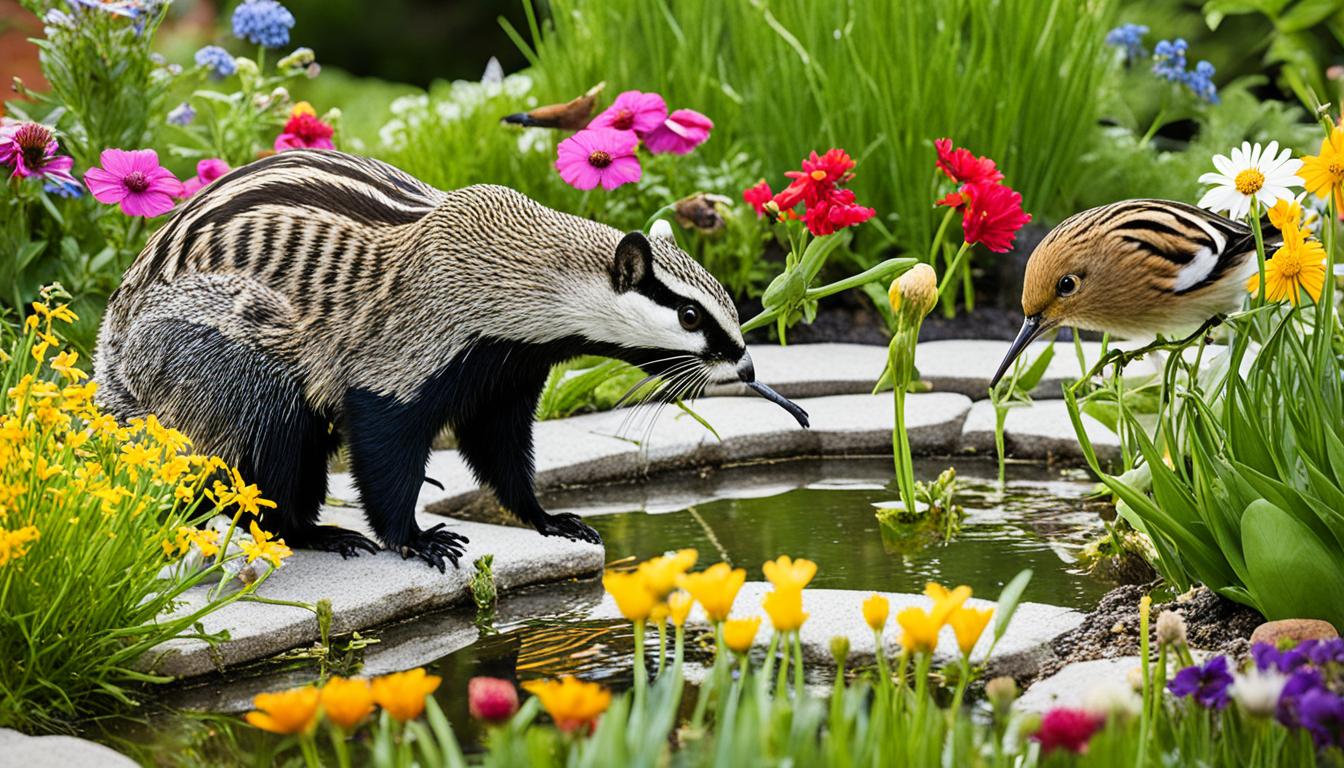
Creating a backyard wildlife habitat brings nature right to your doorstep. It also helps the local ecosystem. By using native plants, you can draw in birds, pollinators, and other creatures.
Planting Native Species
Choosing the right plants is key to attracting wildlife. Native plant gardening is a great choice. These plants fit the local climate and support local wildlife.
Look for native wildflowers, shrubs, and trees that help local animals. Native milkweed feeds monarch butterfly caterpillars. Berry bushes attract songbirds. Adding these plants makes your yard a haven for wildlife.
Native plants are also low maintenance. They’re adapted to the local climate. So, you’ll spend less time on gardening. Enjoy the beauty of nature in your own backyard.
Ethical Wildlife Observation
Watching the natural world can be very rewarding. It lets us connect with the beauty and variety of wildlife. But, we must do it in a way that respects the animals and their homes.
Keeping a safe distance from animals is key to ethical observation. Getting too close can stress them out and change their behavior. By staying back, we can still enjoy wildlife without hurting them.

It’s also important to think about how we affect the places we visit. We should respect the animals’ spaces and not disturb them. This means following trails, not touching or feeding animals, and leaving no trace of us.
By being responsible and ethical in how we watch wildlife, we can truly appreciate nature. Our actions help protect the animals we love to see. This way, we ensure these natural wonders are here for future generations.
Photography and Journaling
For nature lovers, taking photos and writing in a journal can deepen their bond with nature. This part will share tips on how to photograph wildlife and landscapes. It will also suggest ways to keep a nature journal for recording what you see and think.
Capturing Nature’s Beauty
It doesn’t matter if you have a fancy camera or just your phone. Here are some tips for amazing nature photos. Focus on how you frame your shot, use light and angles, and wait for the perfect moment. Keeping a nature journal is also great. You can draw scenes, write notes, and keep your thoughts on the wildlife and landscapes you see.
This way, you’ll be motivated to keep exploring and see the beauty around you. Nature photography and journaling are not just hobbies. They are also ways to help protect nature. By sharing your photos and stories, you can encourage others to care for nature too. So, take your camera and pen, and start capturing the beauty of nature right where you are.