


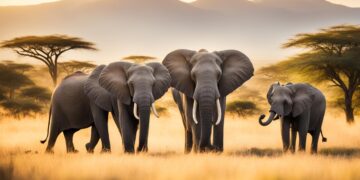

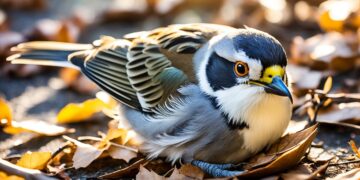
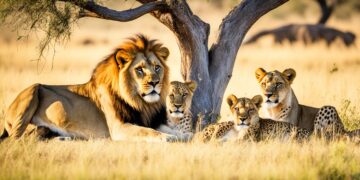

Forests are vital for our planet, offering homes to many wildlife species. These green spaces are key to biodiversity, sheltering a wide variety of animals. By keeping forests safe, we help nature and wildlife to flourish.
Forests are essential for the balance of nature. They are home to many animals, from big predators to small, interconnected creatures. Protecting these forests helps many animal populations and keeps our planet healthy.
Forests: Vital Habitats for Biodiversity
Forests are the heart of our planet, full of life. They have everything from tall trees to tiny plants. These places are home to many animals and plants.
The top of the forest is a special place. It’s where many animals live, like agile primates and birds. These animals love the green and high places.
Canopy Dwellers and Undergrowth Inhabitants
The top of the forest is alive with many species. Monkeys and squirrels move through the branches. Birds fly from tree to tree, singing beautiful songs.
Under the tall trees, there’s a world of small creatures. Rodents, reptiles, and birds live here. They are important for the forest’s balance.
Migratory Species and Resident Wildlife
Forests are safe spots for animals that move around. Birds and butterflies stop here during their travels. These places are key for keeping our planet’s biodiversity.
Forests also have animals that live there all the time. Deer, elk, and many birds call these places home. They help keep the forest healthy.
Forests are full of life and are crucial for our planet. They support many animals and plants. We must protect these places for all the life they hold.
Nature & Wildlife: Ecological Balance in Forest Ecosystems
The forest ecosystem is a complex web of life. Every part plays a key role in keeping nature in balance. From tall trees to small plants, forests are full of different animals. These animals are linked by food webs, nutrient cycles, and relationships.
This balance is key for the survival of many animals in the forest. At the center of this balance are the connections between all living things. From tiny insects to big predators, each species is vital to the forest’s health.
Human actions like cutting down forests can harm the ecosystem. This can lead to less space for animals, broken paths for them to move, and changes in nature’s cycles. This can cause many animals to disappear, affecting the whole ecosystem.
Understanding how the forest works and how animals depend on each other helps us value these ecosystems. Protecting forests is important for animals and for keeping our planet healthy.
Deforestation: A Threat to Wildlife Survival
Deforestation is a big threat to many wildlife species worldwide. Forests, vital for many animals, are being cut down for farms, logging, or cities. This leads to a big loss of animal homes and disrupts their way of life.
Habitat Loss and Fragmentation
When forests are cut down, animals lose their homes. Many animals move to new places that are not good for them. They face more competition for food and are more at risk from predators.
This makes it hard for animals to survive. They can’t find the food, shelter, and places to have babies they need. This breaks the balance in nature, making it hard for animals to adapt.
When forests are broken into small pieces, animals have a harder time moving around. This makes it hard for them to find mates, move to new areas, and keep their genes strong. With less space and more barriers, some animals might not survive, which is bad news for the future.

Deforestation has a big impact on animals. We need to protect and restore forests to help animals survive. This is key for the future of many species.
Conservation Efforts: Safeguarding Forests and Wildlife
Forests are crucial for wildlife, so many conservation efforts aim to protect and restore them. These efforts include strategies for wildlife, protecting forests, and sustainable management. Conservation groups and government agencies lead these efforts.
Local and global conservation groups are key in protecting forests and wildlife. They work hard to spread awareness, push for policy changes, and start programs to fix forest problems. Their work is vital for keeping wildlife safe over time.
Governments worldwide have made laws to protect forests and their life. These laws cover deforestation and logging and encourage sustainable forestry. This helps secure the future of forests and their wildlife.
Managing forests sustainably is also crucial. This means keeping forests healthy and diverse while using their resources wisely. Conservation groups and land managers use sustainable forestry to balance wildlife and human needs.
Together, conservation groups, government agencies, and sustainable practices are key to protecting forests and wildlife. They use a mix of protection, restoration, and sustainable use. This way, forests and their many species can survive for many years.
Ecotourism: Exploring Forests Responsibly
Ecotourism lets nature lovers see the beauty of forests without harming the environment. It’s about traveling in a way that helps protect these important places and the animals that live there.
Minimizing Human Impact on Natural Habitats
Ecotourism is all about sustainable tourism. Visitors follow trails, respect wildlife, and support green projects. This helps keep the forests and their animals safe.
With ecotourism, you can enjoy seeing wildlife and exploring forests. But you do it in a way that doesn’t harm the land. This way, you learn to value the balance of these ecosystems.
Ecotourism is more than just a trip. It helps local communities and protects nature. By traveling responsibly, you help keep the forests and their animals safe for the future.
Indigenous Peoples: Guardians of Forest Wisdom
Around the world, indigenous communities have always been the guardians of forest wisdom. They have a deep understanding of how to manage forests sustainably. Their knowledge of the forests and wildlife is unmatched. They are committed to keeping the natural balance, which is crucial for conservation.
Indigenous communities use traditional ecological knowledge for managing forests. This approach has proven to be effective in keeping forests healthy and diverse. They have developed unique ways to take resources, manage fires, and protect wildlife. These methods work with nature’s cycles, ensuring forests thrive for generations.
Indigenous peoples bring a wealth of knowledge to conservation efforts. Their community-based conservation methods focus on preserving culture and respecting the land. This approach to managing forests is sustainable and benefits both the environment and local communities.

Indigenous communities worldwide are the guardians of forest wisdom. They protect the land and maintain the balance between nature and human activities. It’s vital to respect their traditional practices and knowledge for successful forest and wildlife conservation.
Forest Regeneration: A Hope for Restoring Wildlife Populations
The forest is crucial for many animals, but losing it harms the ecosystem. Yet, we can help by regrowing forests. This can bring back wildlife populations.
Restoring forests helps rebuild homes for animals and supports the balance of nature. By planting native trees and letting forests grow naturally, we can help animals recover.
Reforestation Projects and Natural Regrowth
Reforestation is key to fixing forests. It means planting trees that were once there. This helps animals that lost their homes.
As trees grow, they make a safe place for many animals. This lets wildlife flourish again.
Letting forests grow on their own also helps. Nature can heal itself, bringing back plants and animals. This balance is vital for animals to survive.
Combining tree planting with nature’s healing can save wildlife. It gives animals homes and helps endangered species. This makes forests healthier and more resilient.
By working on forest restoration, we can help animals live in healthy forests again. This is good news for the future of nature.
Educational Initiatives: Raising Awareness for Forest Conservation
Teaching the public, especially young people, about forests is key for long-term environmental education. It helps with forest conservation awareness. By getting communities involved, we can get more support for saving forests.
School programs are great for teaching kids about forests. They learn how forests keep nature in balance and support many species. These programs might include trips to forests, activities to learn about them, and projects to inform families and neighbors.
Community outreach is also vital for spreading the word about saving forests. Events like tree-planting, wildlife rescue shows, and workshops can connect people with nature. These activities teach people and make them want to protect their forests.
For forest conservation to work, everyone must be involved and understand the importance. By supporting education and advocacy, we can raise a generation that cares about forests and their animals.
Policies and Legislation: Protecting Forests for Future Generations
Effective forest protection policies and environmental regulations are key to keeping forests safe for the future. They set rules for logging, land use, and development. They also support international agreements that push for sustainable forestry and protecting nature’s variety.
Strong legislative initiatives are vital for the long life of these important ecosystems. They help many species that live in them. Policymakers and lawmakers are key in making and enforcing policies. They make sure forests are used wisely for the economy and nature.
By using both national and global forest protection policies, we aim to save these unique places and the animals they house. With strong environmental regulations and international agreements on sustainable forestry, we can keep our forests safe for the future.