
Creating a wildlife-friendly garden is a great way to help local plants and animals. It also makes your outdoor area a natural paradise. By adding native plants, water, and shelter, you can draw in many birds, butterflies, and insects. This guide will give you tips to make your garden a place where nature thrives.
With a wildlife-friendly garden, you make your outdoor space more beautiful and help local ecosystems. This gardening style boosts biodiversity, helps pollinators, and gives wildlife the resources they need. No matter the size of your yard, you can add elements that support wildlife.
Attract Pollinators with Native Wildflowers
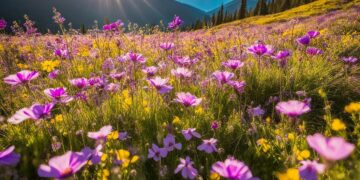
Turning your garden into a pollinator haven is both rewarding and good for the planet. Planting native wildflowers is a great way to do this. These flowers bring color and texture to your garden and are a key food source for bees, butterflies, hummingbirds, and more.
Choosing the Right Blooms
It’s crucial to pick plants that are native to your area for a pollinator garden. These plants are made to grow well in your local climate and soil. Choose a mix of early, mid, and late-season flowers to keep nectar available for pollinators all season.
Planting for Continuous Blooms
For a pollinator garden that thrives, aim for flowers that bloom from spring to fall. Include a variety of native wildflowers like coneflowers, milkweed, and black-eyed Susans. This way, you’ll have a steady supply of nectar and pollen for pollinators, making your garden a haven for them.
Provide Water Sources
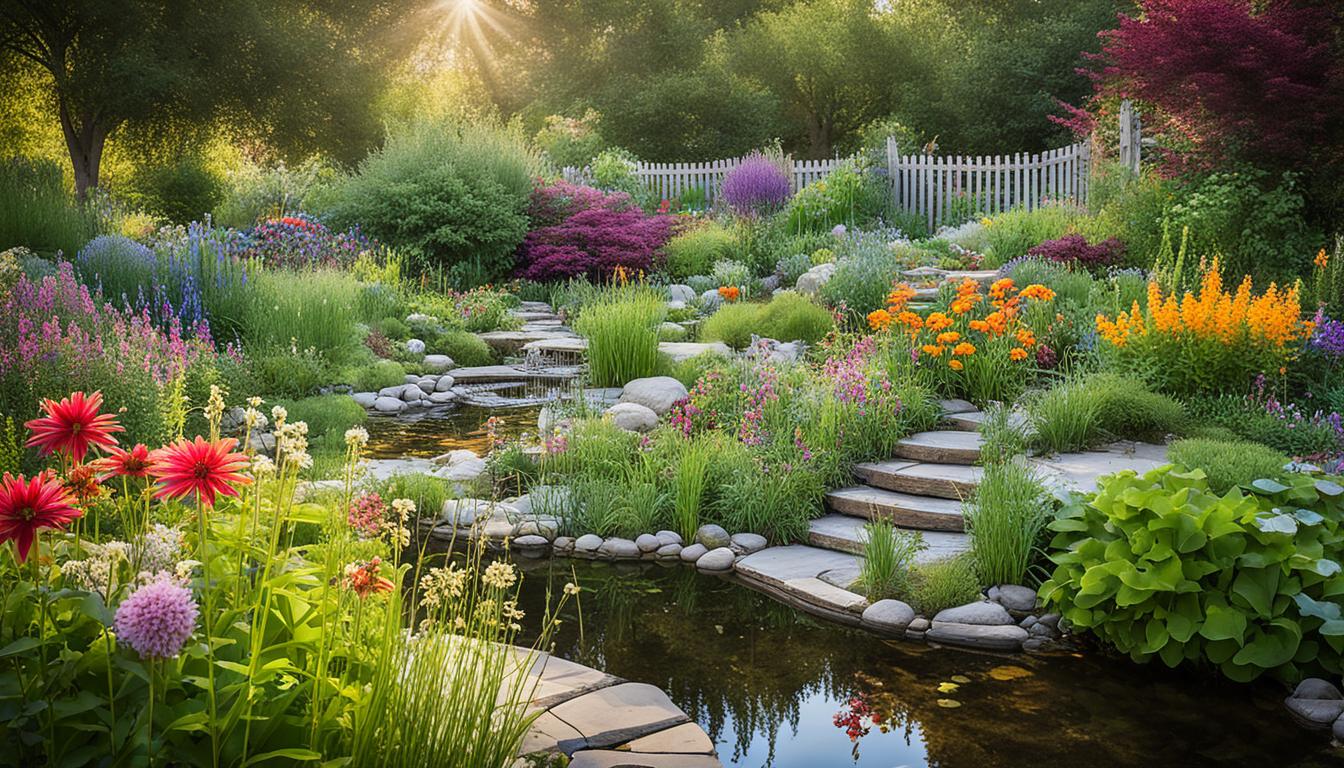
Creating a wildlife-friendly garden means having reliable water sources. Offering different types of water features can draw in many birds, butterflies, and pollinators. A simple bird bath or a small pond can be a big help in quenching the thirst of your visitors.
Think about adding a shallow bird bath for birds to drink and bathe in. Always clean and refill it to keep the water fresh. For something more interesting, consider a trickle fountain or a small pond. These can provide a calming sound and a beautiful sight. They also offer deeper water for bigger birds and a spot for insects and pollinators like bees and butterflies to get water.
If you want something easy to take care of, try using small dishes or saucers with water and stones in your garden. This lets smaller creatures like insects and hummingbirds get to the water safely. Adding these water features will make your garden a haven for many species, from birds to insects.
Offer Shelter and Nesting Sites
Creating a wildlife-friendly garden means more than just offering food and water. It’s also about giving creatures safe places to live. By adding birdhouses, bat boxes, brush piles, and rock gardens, you can attract many species. These features help with their nesting and sheltering needs.
Building Birdhouses and Bat Boxes
Birdhouses and bat boxes are key for many birds and bats. When building them, think about what your local wildlife needs. The size, shape, and entry holes must match the species you want to attract. Putting these shelters near food and water will make them more popular.
Creating Brush Piles and Rock Gardens
Brush piles and rock gardens are great for wildlife too. They give small mammals, birds, and insects a place to hide and nest. Rock gardens also help reptiles, amphibians, and insects survive the winter. These features make your garden look better and help local wildlife.
Adding different shelters and nesting spots makes your garden a better place for wildlife. It also makes your garden look more interesting and full of life.
Eliminate Pesticide Use
Creating a wildlife-friendly garden means saying no to synthetic pesticides. These chemicals harm beneficial insects, birds, and other creatures vital for a healthy garden. Instead, use natural methods to control pests.
Natural Pest Control Methods
Introducing predatory insects is a great way to fight pests naturally. Ladybugs and lacewings can eat aphids and mites. Organic mulches like wood chips or leaves also keep pests away by blocking their access and keeping soil moist.
Attracting birds that eat insects is another good idea. With bird feeders, baths, and nesting spots, these birds can help control pests without chemicals.
To keep pests away naturally, make your garden a balanced ecosystem. Plant a variety of flowers, provide water, and create places for insects and birds to live. This way, you’ll have fewer pests and a healthier garden.
Plant a Variety of Native Species
Creating a wildlife-friendly garden means using a mix of native plants. These plants fit well with the local climate and soil. They support many native insects, birds, and animals, boosting biodiversity and habitat.
When planning your garden, pick a variety of trees, shrubs, perennials, and grasses native to your area. This ensures your garden meets the needs of local wildlife. With different native plants, you’ll draw in bees, butterflies, birds, and other animals.
Native plants are good for wildlife and your garden’s health. They fight off pests and diseases better, cutting down on harmful chemicals. They also need less water and care, which is better for the planet.
Adding native plants to your garden helps restore natural habitats. This is key for many species to survive. It makes your garden a beautiful, lively place for you and the wildlife.
Create a Nature & Wildlife Habitat
Follow the steps in this guide to turn your garden into a backyard habitat for nature and wildlife. Offer food, water, shelter, and diverse plants to help local plants and animals. By using habitat conservation and wildlife-friendly landscaping, you can positively impact your community’s ecosystem.
To create a great urban wildlife habitat, meet the basic needs of local species. Use native plants for food, shelter, and homes. Add bird feeders, baths, and water sources for wildlife. Also, include brush piles, rock gardens, and other natural spots for small animals and insects.
Turning your outdoor area into a backyard habitat will draw in many creatures. It also helps the local ecosystem stay healthy and balanced. Enjoy watching birds, butterflies, and other wildlife in your wildlife-friendly garden.
Establish a Butterfly Garden
Butterflies make any garden vibrant and full of life. To attract them, focus on host plants for caterpillars and nectar-rich flowers for adults. Choose native plants that meet the needs of your local butterflies. This way, you’ll create a thriving butterfly community in your backyard.
Host Plants for Caterpillars
Butterflies begin as caterpillars, and they need the right plants to grow. Find native plants that caterpillars eat, like milkweed, dill, fennel, or parsley. Adding these caterpillar host plants to your butterfly garden ensures caterpillars have food.
Nectar Sources for Adult Butterflies
Adult butterflies need nectar to stay energized. Choose a variety of butterfly-friendly flowers that bloom at different times. Plants like Echinacea, Lantana, and Buddleja are great choices because they attract butterflies.

Plan your butterfly garden carefully to support butterflies from start to finish. With the right plants, you’ll draw in many butterflies. Your garden will become a celebration of nature.
Incorporate Water Features
Want to draw more wildlife to your garden? Add water features like bird baths or small ponds. These will give birds, butterflies, and other creatures places to drink and bathe. Your garden will become a lively spot for many species.
Bird Baths and Ponds
Bird baths are easy and effective for attracting birds. Pick one with a gentle slope and shallow water. This lets birds wade and bathe easily. Clean and refill it often to keep the water fresh.
For something bigger, think about a small backyard pond. These ponds can have aquatic plants and be a water source all year. They’re great for wildlife.
Make your pond at least 18 inches deep to avoid freezing in winter. Add native plants like water lilies and cattails for a natural look. Keep the water clean to keep wildlife safe and happy.
Adding these water features will bring many species to your garden. It’s a key step in making your garden a haven for wildlife. Whether it’s a simple birdbath or a big pond, having water is vital for a wildlife-friendly garden.
Attract Beneficial Insects
Your wildlife-friendly garden can draw in ladybugs, lacewings, and praying mantises, among others. These beneficial insects are key to natural pest control. They help keep your plants healthy without the need for harmful chemicals. To attract them, plant a variety of plants and skip the pesticides.
Adding native plants is a great way to draw in beneficial insects. These plants feed and shelter pollinators and attract beneficial insects that eat garden pests. This makes your garden a haven for pollinator-friendly gardening and boosts biodiversity.
Planting a mix of native species is just the start. You can also offer beneficial insects more resources. Think about adding a small water feature like a bird bath or pond for them to drink from. Or, create brush piles or rock gardens for them to hide and overwinter in.
By welcoming beneficial insects into your garden, you’re supporting natural pest control and a healthy ecosystem. Let these hardworking bugs do their job and enjoy a garden full of life and biodiversity.
Provide Food Sources for Birds
Attracting different birds to your garden is fun. One great way is by offering food that meets their needs. Use bird feeders with quality seed mixes, suet, or nectar to attract many birds.
Adding native plants that have berries, seeds, and insects is also good. These plants fit well with the local environment. They give birds the food they need to live well.
Feeders and Natural Food Sources
Choose from different bird feeders like tube, hopper, and suet cages for your garden. Fill them with seed mixes that fit the birds in your area. Add nectar for hummingbirds and suet for woodpeckers and other insect-eaters.
Native plants for birds are also great food sources. Plant berry bushes, seed grasses, and flowers that attract insects. This makes your garden a better place for birds.

Offering both artificial and natural food makes your garden bird-friendly. It helps the local bird population and brings more birds to your yard.
Maintain a Healthy Ecosystem Balance
Keeping your wildlife-friendly garden healthy is key to its success. Let fallen leaves and branches break down to make the soil richer. This helps the whole food web and keeps your garden full of life.
Avoid making your garden too perfect. It can harm the balance and hurt native plants and animals. Instead, use sustainable gardening methods. These help keep biodiversity preservation and wildlife conservation strong. By doing this, you make a garden that takes care of itself and supports many creatures.
A garden in balance with nature is the best kind. It’s where every part is important. By keeping this balance, you’ll see your garden flourish. Nature will thrive, and you’ll enjoy the beauty of your garden all year.