




Freshwater habitats like rivers, lakes, and wetlands are key to our planet’s balance. They support a wide variety of plant and animal life. These places offer vital resources and services to both wildlife and human communities. It’s important to understand why we need to protect these areas for our planet’s future.
Freshwater habitats are full of biodiversity. They provide important ecosystem services that help our planet stay healthy. They give us clean water and help control floods. These natural places are crucial for environmental conservation efforts around the world.
What are Freshwater Habitats?
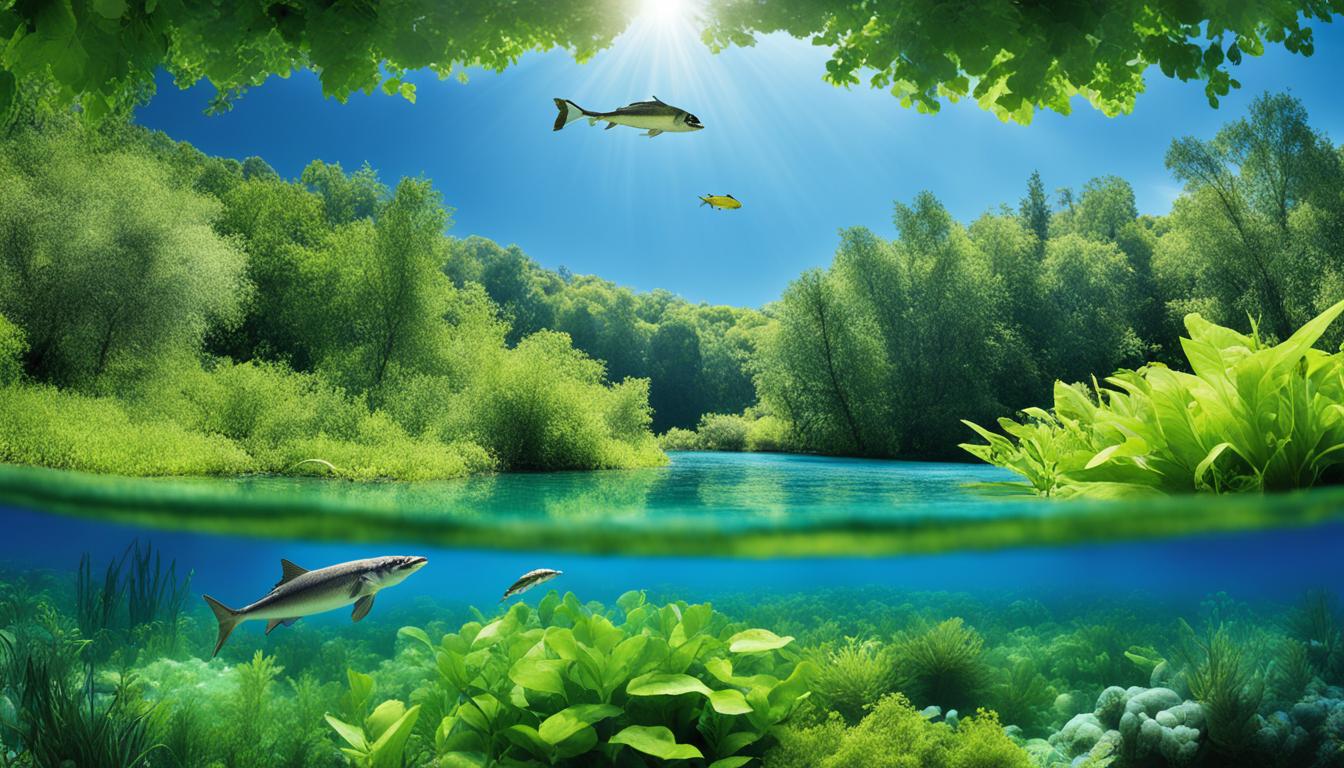
Freshwater habitats are places where the water is not salty. They include rivers, lakes, wetlands, marshes, and ponds. Each one is special and supports many plants and animals.
Defining Freshwater Ecosystems
Freshwater ecosystems have water with low salt levels, less than 1 part per thousand. This makes them different from marine or estuarine areas. These habitats can be fast-moving rivers or calm lakes. They also include wetlands and areas where land meets water.
Types of Freshwater Habitats
The main types of freshwater habitats are:
- Rivers and Streams: These are flowing water systems that carry water, sediments, and nutrients. They support a wide variety of aquatic life.
- Lakes and Ponds: These are still, enclosed bodies of freshwater. They can be small ponds or large lakes.
- Wetlands: These are areas between land and water, like marshes and swamps. They have unique soil and plants.
Each freshwater habitat has its own plants, fish, and wildlife. This makes freshwater ecosystems rich in biodiversity around the world.
Biodiversity Hotspots
Freshwater habitats are full of life, supporting many plant and animal species. These places are crucial for fish, amphibians, birds, and other wildlife. They need clean water and diverse habitats to live.
Many species in these areas are at risk of disappearing. Human actions like destroying habitats, polluting, and changing the climate harm them. We must understand the value of freshwater biodiversity hotspots to protect endangered species and species diversity.
From clear mountain streams to wide rivers and big lakes, these places are alive with creatures. They are vital for many species, some found only here. Protecting freshwater biodiversity hotspots helps endangered species and keeps our planet healthy.
Ecological Services Provided
Freshwater habitats are key for many important ecosystem services. They help both wildlife and people. Two main services they offer are water purification and flood control.
Water Purification
Aquatic plants and microorganisms in rivers, lakes, and wetlands clean the water. They remove pollutants and sediments. This keeps the water safe for people and healthy for aquatic life.
By saving these habitats, we use nature’s water cleaning power. This cuts down on the need for costly, energy-using filters.
Flood Control
Wetlands and floodplains can soak up and slow down a lot of water during storms. This reduces the risk of big floods. It protects communities and buildings nearby.
The plants and soil in these areas work like sponges. They hold back floodwaters and release them slowly. This prevents sudden, harmful floods. Keeping these areas safe is key for managing natural resources well.

Threats to Freshwater Habitats
Freshwater habitats, like rivers, lakes, and wetlands, are key to diverse ecosystems and vital for communities. Yet, they face many threats that could harm their health and future.
Pollution and Contamination
Pollution and contamination are big threats to these habitats. Industrial waste, farm runoff, and city sewage add harmful chemicals and heavy metals. These pollutants can harm the balance of the ecosystem and kill off sensitive species.
Habitat Destruction
Humans also harm freshwater habitats by building dams, draining wetlands, and expanding cities. This can change the natural flow of water and push or kill off many plants and animals that depend on these places.
Pollution and habitat destruction together can ruin freshwater ecosystems. It’s important to tackle these issues to keep these habitats healthy for now and the future.
Nature & Wildlife: Importance for Species Conservation
Freshwater habitats are key to saving endangered species. They are a safe place for many plants and animals. These areas are where endangered and threatened species live, like migratory birds and fish. We must protect these places to save these species and keep our world balanced.
These habitats are crucial for saving species. They are full of life and are important for many animals. By keeping these places safe, we help the species that live there and keep our planet healthy.
Species like the bald eagle and the freshwater mussel are important in these habitats. They help keep the balance in nature. By protecting their homes, we help these amazing animals and keep our planet healthy.
We must protect these habitats in our busy world. We can do this by working together, making smart policies, and respecting nature. This way, these important places will keep supporting the species that live there, now and in the future.
Freshwater Habitats and Climate Change
Climate change is a big threat to freshwater habitats. Rising temperatures and changes in rain patterns can harm these ecosystems. These changes can disrupt the balance of life in the water and affect how we use water.
Impact of Global Warming
Global warming is making changes in freshwater ecosystems. Warmer water can hurt the natural homes of many aquatic creatures. This can lead to the loss of some species and the growth of others that are not native.
Changes in rain, like more droughts or heavy rains, also affect freshwater habitats. Drought can make water scarce and dirty. Heavy rains can cause floods, erosion, and bring pollutants into the water.

We need to adapt to climate change to protect freshwater habitats and their inhabitants. Conservation, restoring habitats, and using water wisely are key to fighting the effects of global warming on these important resources.
Sustainable Management Practices
Protecting our freshwater habitats is crucial for the future. Conservation groups and environmental leaders are working hard to fix damaged ecosystems. They focus on wetland restoration and cleaning rivers to fight pollution and climate change.
Restoration and Conservation Efforts
Fixing damaged habitats is key to sustainable management. Wetland projects help bring back the balance in these important ecosystems. This creates a safe place for many plants and animals.
River cleanup efforts also play a big part. They remove trash, cut down on pollution, and help rivers flow naturally again. By working with local people and governments, we can make sure these places stay healthy.
Conservation policies and rules are also important. They help protect these habitats by making sure they are managed well. By working together, we can make sure these ecosystems are safe for the future.
With the help of policymakers, environmental groups, and local communities, we can create a better future for our water resources.
Economic and Cultural Value
Freshwater habitats are more than just important for nature. They support many industries, like fishing and farming, and even ecotourism. These activities bring big economic benefits to communities. People also enjoy activities like boating and swimming in these areas, making their lives better.
For indigenous and local people, freshwater habitats mean a lot culturally. They are often spiritual and ceremonial places. Here, traditions and beliefs are kept alive and shared with the next generations. It’s important to protect these places to keep our cultural heritage rich and diverse.
Freshwater areas are key to the lives of many people. They attract tourists and help farmers. By valuing these places, we make sure they keep benefiting us now and in the future.
Protecting Freshwater Habitats for Future Generations
Keeping freshwater habitats safe is key for the future. We need a plan that covers many areas. By teaching people about these ecosystems, we can make them care more. This will encourage them to help protect these areas.
It’s important to teach the public about what freshwater habitats do for us. We should also talk about the dangers they face and why we need to manage them well. This knowledge is crucial for their survival.
Raising Awareness
Using different ways to share information can help connect people with freshwater conservation. Things like media, schools, and community events can make a big difference. When more people know how important these places are, they’ll want to help protect them.
Policy and Legislation
Having strong laws is also vital for protecting freshwater habitats. People who make laws can help by creating rules for water use and keeping it clean. Laws that protect the environment make sure these places are safe for the future.